
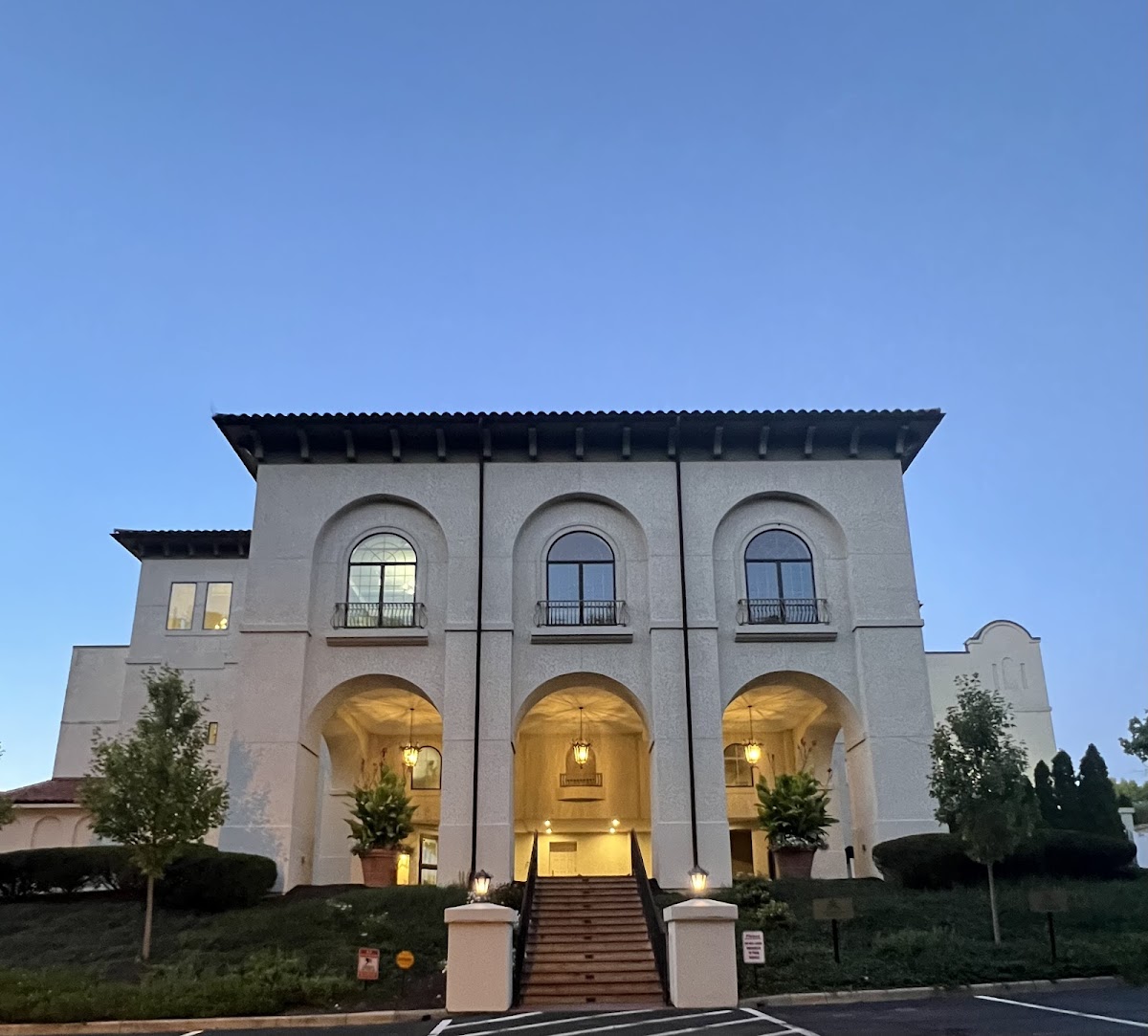
The approach tells you everything. You exit I-465, leave the commercial sprawl of Castleton behind, and turn onto Fall Creek Road. The landscape softens. Mature trees arch over the street, their canopies creating dappled shade even at midday. The houses grow more stately, set back from the road behind manicured hedges and iron gates. Then, at 6098, the entrance to Hillcrest Country Club appears — understated in the way that only genuine old money can manage. A discreet sign, a winding drive, and suddenly you’re ascending into 112 acres of emerald fairways, the tree-lined golf course rolling across gentle hills like something transported from the Philadelphia Main Line. The clubhouse itself rises into view gradually: honey-toned stucco, low Spanish tile roof, those distinctive Mission Revival arches that define the entire composition. Built in 1927 and added to the National Register of Historic Places in 2004, this is Indianapolis aristocracy in architectural form — not the brash new-money kind, but the quiet, enduring sort that has hosted three generations of weddings, christenings, and anniversary celebrations. Poppy has fielded four wedding inquiries for Hillcrest Country Club, and each time we’ve toured the property, we’ve understood exactly why couples fall for this particular intersection of history, elegance, and natural beauty tucked into the Avalon Hills neighborhood.
About Hillcrest Country Club
Hillcrest Country Club opened in 1927 during that golden interwar period when American country clubs were being designed with an eye toward permanence and European-inspired elegance. The architect chose Mission Revival (also called Spanish Revival) — a style characterized by tall arched openings, stucco walls in warm earth tones, and low-pitched tile roofs with decorative bracketed eaves. It was an unusual choice for Indianapolis, a city more known for Georgian and Colonial Revival architecture, but it worked. The proportions are generous without being ostentatious, the detailing is refined without being fussy, and the overall effect is one of sun-drenched Mediterranean calm transplanted to the American Midwest. The 2000 renovation respected this original vision, updating mechanical systems and modernizing the Avalon Ballroom with floor-to-ceiling windows while preserving the arched doorways, original staircases, and historic character that earned the club its place on the National Register.
The property encompasses 112 acres anchored by an 18-hole Bill Diddel-designed golf course. Diddel was a significant figure in Midwestern golf architecture in the early twentieth century, and his Hillcrest layout showcases his signature style: tree-lined fairways, strategic bunkering, and terrain that takes full advantage of the natural topography. The course is not merely decorative background for weddings — it is an active, well-maintained facility — but for couples hosting events here, those manicured fairways and rolling hills provide a continuously photogenic backdrop. There is also a historic 1934 swimming pool, still operational and available for poolside events, plus a scenic pond crossed by a charming bridge that has appeared in countless engagement photos.
Geographically, Hillcrest sits in the Avalon Hills neighborhood of Lawrence Township on Indianapolis’s northeast side. It is a tree-canopied enclave of mid-century homes and winding streets that feels substantially removed from urban density while remaining only about fifteen minutes from downtown Indianapolis via I-465. The surrounding area includes the Castleton commercial district with shopping and dining options, making it easy for out-of-town guests to find accommodations and amenities. For a florist, the drive from most Indianapolis locations is straightforward with ample parking upon arrival. The venue provides load-in access through a service entrance, and — this is key — they allow couples to drop off storage totes of décor a few days prior to the event, which means we can stage floral mechanics, vessels, and non-perishable elements in advance, then arrive on event day primarily to install fresh blooms. It is a logistical detail that significantly improves setup efficiency.
The venue operates as a private country club with a dedicated events team. Catering is exclusively in-house with personalized menus, but the club permits outside vendors for other services, including floral design. They do require certificates of insurance and maintain communication with all vendors to coordinate timing and setup. The events staff is professional, organized, and accustomed to high-end weddings, which translates to smooth load-in, clear communication about setup windows, and respect for vendor workflows. Bar service is available with full options including signature cocktails, and the standard package includes a 20% service charge on food and beverage. Couples should note there are minimum spend requirements for food and beverage; if the minimum is not met, the difference is added to the final bill.
Event Spaces & Floral Opportunities
Avalon Ballroom (Avalon I-III Combined)
Capacity: 200 seated (up to 250-264 total capacity)
Setting: The Avalon Ballroom is Hillcrest’s crown jewel for receptions, a grand space created by opening the three adjoining Avalon sections (I, II, and III) into one sweeping room. The most striking feature is the wall of floor-to-ceiling windows that spans nearly the entire length of the ballroom, framing views of the golf course’s bright green fairways and mature hardwoods beyond. The windows flood the room with natural light during afternoon events and provide a dramatic backdrop at sunset when the sky turns shades of coral and lavender. The room’s neutral palette — cream walls, warm wood accents, and soft gray-toned carpeting — allows floral colors to sing without competing with décor. Elegant chandeliers hang at regular intervals across the ceiling, modern in silhouette but classic in effect, casting a soft glow once the sun sets.
Floral approach: The windows are your partner here, not your competition. Anything placed on guest tables should either stay below twelve inches (to preserve sightlines to the course) or rise dramatically on tall, slender stands that lift blooms well above eye level. We love low, lush centerpieces in this space: compote-style arrangements overflowing with Juliet garden roses, café au lait dahlias, Quicksand roses, and white lisianthus, finished with trailing jasmine vine and Italian ruscus that spills across the tablecloth. For a more dramatic approach, consider tall taper candles (in clear glass hurricanes for safety) surrounded by a low ring of blooms — this creates vertical interest without obstructing views. The chandeliers offer an opportunity for subtle floral enhancement: delicate garlands of smilax and seeded eucalyptus can be woven between fixtures if the venue permits, though in practice we often recommend letting the existing chandeliers stand on their own and reserving your floral budget for high-impact areas like the head table, entry statement pieces, and the grand staircase. Speaking of the head table: this is where you can go bold. A 20-foot garland runner of mixed greenery (Italian ruscus, silver dollar eucalyptus, tree fern) punctuated with clusters of garden roses, ranunculus, and spirea creates a lush, romantic focal point that photographs beautifully against those windows. Flank the ballroom entrance with a pair of large pedestal arrangements — we favor urn-style vessels in antique brass or weathered stone, overflowing with seasonal blooms and flowering branches. This frames the transition from cocktails to reception and signals the grandeur of the space within.
Avalon I
Capacity: 50 seated (up to 80 total)
Setting: When used independently, Avalon I offers a more intimate setting for smaller receptions, rehearsal dinners, or bridal luncheons. It retains the same elegant finishes as the full ballroom — neutral walls, refined chandeliers, windows overlooking the course — but the reduced scale creates a cozier, more conversational atmosphere. This section works beautifully for couples hosting 30 to 50 guests who want the country club elegance without the vastness of the combined ballroom.
Floral approach: Scale is everything here. What works in the full Avalon Ballroom would overwhelm this smaller room. Instead, think restrained elegance: low centerpieces in 6- to 8-inch compote vessels, each filled with a tight cluster of garden roses (Keira, Patience, Romantic Antike), spray roses, and textured greenery like dusty miller and eucalyptus. For a long farm table setup, a garland runner works beautifully, but keep it narrower — perhaps 10 to 12 feet rather than the full table length, concentrated at the center. If the event is a seated dinner, a single statement arrangement on the bar or a side table (perhaps featuring branches of flowering quince or curly willow for height and drama) provides a focal point without crowding the space. Bud vases clustered in groups of three or five at each place setting create an intimate, garden-party vibe that suits the room’s proportions perfectly.
Avalon II
Capacity: 32 seated
Setting: The smallest of the three Avalon sections, this space is best suited for very intimate gatherings — a bridesmaid brunch, a post-wedding breakfast, or a small family dinner. The room maintains the same refined aesthetic as its larger siblings, with good natural light and access to the same elegant finishes.
Floral approach: In a space this intimate, you need very little to make an impact. A single, sculptural arrangement on a central buffet or bar — think a large glass cylinder filled with submerged magnolia branches and floating gardenias, or a tall, asymmetrical design featuring branches, phalaenopsis orchids, and trailing amaranthus — becomes the room’s focal point. On dining tables, small bud vases or votives surrounded by a simple wreath of seeded eucalyptus keep things elegant without overwhelming the limited square footage. This is also a wonderful opportunity to use higher-end specialty blooms in small doses: a few stems of parrot tulips, French ranunculus, or garden roses go a long way in a room this size.
Avalon III
Capacity: 75 seated (up to 152 total)
Setting: The largest individual section of the Avalon Ballroom, Avalon III splits the difference between the intimacy of Avalon I and the grandeur of the fully combined space. It accommodates mid-sized weddings comfortably, with enough room for a dance floor, DJ setup, and full dining service. The same floor-to-ceiling windows and chandeliers that define the full ballroom are present here, creating an elegant atmosphere that feels neither too intimate nor too cavernous.
Floral approach: You have more room to work with here, which means you can introduce variety in centerpiece heights and styles without the space feeling cluttered. Consider alternating low lush arrangements with tall, elevated designs on every other table — this creates visual rhythm and allows guests at tables with low centerpieces to enjoy unobstructed conversation while guests at elevated arrangements benefit from the architectural drama. Tall centerpieces should be designed on clear glass risers or slender metal stands (at least 24 inches tall) topped with organic, asymmetrical arrangements of delphinium, snapdragons, branches, and trailing greenery. Low arrangements can be more abundant: garden-style compotes overflowing with dahlias, roses, lisianthus, and textured foliage. The room is large enough to support a statement installation at the entrance or behind the head table — a floral wall panel, a large-scale urn arrangement, or a garland-draped backdrop all work beautifully here.
Garden Terrace
Capacity: 200 ceremony / 60 seated dining
Setting: The Garden Terrace is Hillcrest’s primary outdoor ceremony space, offering a serene setting with views of the meticulously maintained grounds and glimpses of the golf course beyond. The terrace itself is a paved or stone surface (depending on which section of the grounds is used), surrounded by mature landscaping including established shrubs, seasonal plantings, and shade trees that provide a natural, verdant backdrop. The capacity of 200 for ceremonies makes this an ideal choice for larger weddings, while the option for 60 seated guests allows for more intimate outdoor dining experiences like rehearsal dinners or post-ceremony brunches.
Floral approach: For ceremonies, the focal point is typically a floral arch or arbor positioned at the head of the aisle. Given the natural beauty already present, we recommend a structure that enhances rather than competes: a wooden hexagonal arch or simple metal frame adorned with asymmetrical floral clusters on one or both sides creates a modern, organic look. Use a base of mixed greenery — olive branches, eucalyptus, ferns — and punctuate with seasonal blooms like roses, peonies (in season), or dahlias in colors that complement the surrounding landscape. Aisle markers can be as simple as shepherd’s hooks with small hanging arrangements or low pedestal urns placed every third or fourth row. If the ceremony is during daylight, keep floral colors soft and natural to harmonize with the green surroundings; for evening ceremonies, whites and creams will glow in low light. For seated dining on the terrace, centerpieces should be low and sturdy (outdoor arrangements need to withstand potential breezes) — think compotes filled with tight, garden-style blooms and minimal trailing elements that could be disrupted by wind. The pond with its charming bridge is nearby and makes an excellent backdrop for cocktail-hour arrangements: a pair of medium-scale urns flanking the bridge entrance, filled with blooms that echo the ceremony flowers, creates continuity and a natural photo opportunity.
Legacy Room
Capacity: 40 seated (up to 50 total)
Setting: The Legacy Room is a private event space ideal for rehearsal dinners, smaller receptions, or intimate wedding celebrations. The room offers a more enclosed, clubby atmosphere compared to the airy Avalon Ballroom, with warm wood tones, elegant moldings, and a refined ambiance that feels both comfortable and sophisticated. It is the kind of space where you can imagine a groom’s family hosting a rehearsal dinner with toasts, laughter, and the kind of genuine conversation that happens when the guest count stays manageable.
Floral approach: This room rewards a more traditional approach to floral design. A long dining table dressed with a lush garland runner — Italian ruscus, seeded eucalyptus, and olive branches interwoven with garden roses, ranunculus, and spray roses — creates a classic, timeless centerpiece. Taper candles in brass or silver holders interspersed along the garland add warmth and elegance. If the setup is round tables, medium-sized centerpieces in mercury glass compotes or brass vessels feel appropriate to the room’s proportions and traditional styling. The fireplace mantle (if present in this room) is an ideal location for a statement arrangement: a horizontal design featuring branches, hydrangeas, garden roses, and trailing greenery that spans the mantle’s length becomes a natural focal point for toasts and photographs. This is also a wonderful space to incorporate family heirloom vessels or sentimental details — perhaps using a grandmother’s silver bowl as a centerpiece vessel, filled with blooms that echo her wedding flowers.
President’s Room
Capacity: 15 seated (up to 24 total)
Setting: The President’s Room is the most intimate space at Hillcrest, ideal for very small gatherings such as immediate-family dinners, bridal party luncheons, or getting-ready spaces on the wedding day. The room likely features classic country club décor — upholstered chairs, wood paneling, and a sense of quiet refinement. This is a space where every detail is noticed, so thoughtfulness matters more than scale.
Floral approach: A single, beautifully composed centerpiece is all you need here. Consider a low, lush arrangement in a vintage brass or ceramic vessel — perhaps a mix of garden roses (David Austin varieties like Patience or Constance), hellebores, tweedia, and soft greenery. The arrangement should be full enough to feel generous but low enough (6 to 8 inches) to allow conversation across the table. If the room is being used as a getting-ready space for the bride and bridesmaids, a small arrangement on a side table or vanity — perhaps in shades of blush, cream, and soft peach — adds a touch of beauty without taking up valuable space. Bud vases with single stems placed at each place setting (for a luncheon) create an intimate, personalized touch that suits the room’s small scale.
Swimming Pool Area
Capacity: 150 guests
Setting: Built in 1934, Hillcrest’s historic swimming pool is a rare and charming feature, offering a unique setting for poolside cocktail receptions, summer parties, or casual wedding celebrations. The pool area typically includes surrounding paving or decking, lounge furniture, and views of the surrounding grounds. The vibe is inherently more relaxed and social than the formal ballroom spaces, which opens the door for creative, playful floral treatments that would feel out of place indoors.
Floral approach: Embrace the casual elegance of a poolside setting with arrangements that feel organic, abundant, and unfussy. Galvanized metal buckets or large ceramic vessels filled with overflowing blooms — sunflowers, zinnias, dahlias, and wildflower-style fillers like Queen Anne’s lace and goldenrod — create a garden-party atmosphere. These can be placed on cocktail tables, flanking the pool entrance, or clustered in groupings near lounge seating areas. Floating candles and blooms (gardenias, roses, or dahlias) in the pool itself add a romantic, ethereal touch for evening events, though you’ll need to coordinate with venue management first. For a more elevated approach, consider tall arrangements in weighted urns positioned at the four corners of the pool deck, filled with tropical-leaning foliage like monstera leaves, palm fronds, and birds of paradise for a resort-inspired look. The key is to keep arrangements sturdy and bottom-heavy so they don’t tip in outdoor breezes, and to choose blooms that can handle heat and sun exposure if the event is during daylight hours.
The Grand Staircase
Not a rentable space, but a signature architectural feature
Setting: Hillcrest’s grand staircase, located in the main entrance area of the clubhouse, is one of the venue’s most photographed features. The staircase itself is likely a sweeping design with polished wood railings and balustrades, elegant in proportion and beautifully maintained. It serves as a natural gathering point for photos — the couple descending together after the ceremony, the bridal party arranged on the steps, the bride alone in a quiet moment before the day begins.
Floral approach: The grand staircase presents one of the most impactful floral opportunities at Hillcrest. A cascading garland installation that follows the line of the railing, descending from the upper landing to the base of the stairs, creates a showstopping effect. Use a base of lush greenery — smilax, Italian ruscus, eucalyptus — and weave in clusters of blooms at irregular intervals (garden roses, spray roses, ranunculus, and dahlias in your chosen palette). The garland should be full enough to feel abundant but not so dense that it obscures the beautiful woodwork of the railing. At the base of the staircase, a large urn or pedestal arrangement — at least 4 to 5 feet tall — serves as an anchor and photo focal point. This arrangement can be more sculptural and dramatic: include flowering branches (quince, cherry, or dogwood in season), long stems of delphinium or larkspur, and clusters of statement blooms. If budget allows, matching arrangements at both the base and the landing create symmetry and amplify the impact. The staircase is visible from the entrance, so this installation serves double duty as a welcoming statement piece for arriving guests.
Wedding Flower Ideas for Hillcrest Country Club
Mission Reverie
This design concept honors Hillcrest’s Spanish Revival architecture with a palette inspired by Mediterranean gardens and old-world romance. Think creamy whites, soft peaches, dusty terracottas, and muted sage greens. The floral composition centers on garden roses in warm neutral tones — Patience, Juliet, and Cappuccino — paired with apricot ranunculus, peach stock, and cream lisianthus. Textural elements include olive branches (a direct nod to Mediterranean landscapes), dusty miller, silver brunia, and trailing jasmine vine. Vessels should feel collected and timeworn: antique brass urns, terracotta pots with a weathered patina, and ceramic compotes in earth tones. For the grand staircase, imagine a cascading garland of olive branches and eucalyptus punctuated with clusters of these warm-toned blooms, creating an organic, sun-drenched effect. In the Avalon Ballroom, low compote arrangements in terracotta or brass sit on guest tables, while the head table features a lush garland runner echoing the staircase installation. The Garden Terrace ceremony arch would be asymmetrically designed with one side full of blooms and greenery, the other more sparse — a modern interpretation of organic design that feels fresh yet timeless. This palette photographs beautifully in Hillcrest’s abundant natural light, and the warm tones complement the honey-colored stucco exterior and wood interior finishes perfectly.
Fairway Elegance
Inspired by the manicured beauty of the Bill Diddel-designed golf course, this concept uses a palette of sophisticated greens, whites, and subtle champagne tones. The foundation is an abundance of textured greenery: tree fern, Italian ruscus, seeded eucalyptus, and bells of Ireland. Blooms are primarily white and cream with just a hint of warmth — white peonies (in season), ivory garden roses like Patience or Vitality, white lisianthus, white anemones, and pale green hydrangeas. Champagne-toned accents come from Quicksand roses, café au lait dahlias, and white majolica spray roses with their soft blush centers. Vessels should be refined and understated: clear glass cylinders, mercury glass compotes, and brushed silver urns. This is the palette for couples who want elegance without competing with Hillcrest’s architecture and landscape — the florals enhance rather than dominate. In the Avalon Ballroom, tall arrangements on clear risers create floating clouds of white and green above guest tables, while low arrangements in mercury glass allow the golf course views to remain the star. For the grand staircase, a garland of mixed greenery with just occasional clusters of white blooms creates a fresh, organic look. On the Garden Terrace, a ceremony arch dressed entirely in greenery with a single asymmetrical cluster of white blooms feels modern and architectural. This palette works year-round and photographs as beautifully in black-and-white as it does in color.
Historic Romance
This design leans into Hillcrest’s 1927 heritage with a palette pulled from vintage garden roses and antique textiles. Rich, saturated colors dominate: burgundy, deep plum, blush pink, and ivory, accented with dusty mauve and soft gray-green foliage. The floral roster includes David Austin garden roses in deep tones (Darcey Bussell, Munstead Wood, Keira), burgundy dahlias (Rip City, Black Satin), plum-toned ranunculus, blush astilbe, mauve lisianthus, and hellebores. Textural accents include privet berries, scabiosa pods, amaranthus, and silver brunia. Vessels should have an heirloom quality: antique brass compotes, tarnished silver julep cups, and ceramic vessels in soft gray or taupe. This is a palette for autumn and winter weddings, though it can work in early spring as well. In the Legacy Room for a rehearsal dinner, a dramatic garland runner in these deep, romantic tones becomes the centerpiece, with burgundy taper candles adding warmth. The grand staircase installation would be lush and abundant, with clusters of these rich blooms creating jewel-toned pockets along the garland. In the Avalon Ballroom, alternating tall and low centerpieces in these colors create depth and drama, especially beautiful as evening falls and candlelight enhances the deep tones. This palette feels timeless and sophisticated, perfect for couples drawn to Hillcrest’s historic character and Old World elegance.
Seasonal Considerations
Indianapolis experiences four distinct seasons, each offering unique opportunities and considerations for wedding flowers at Hillcrest Country Club.
Spring (March - May): Spring in Indianapolis is a study in unpredictability. March can bring snow or seventy-degree sunshine, sometimes in the same week. By April, the landscape begins to green up, with flowering trees (magnolia, cherry, redbud) creating bursts of pink and white across the golf course. May is typically the most reliable spring month for outdoor ceremonies on the Garden Terrace, with comfortable temperatures in the 60s and 70s. Spring bloom availability includes tulips (French and parrot varieties offer the most interesting shapes), ranunculus, anemones, hyacinths, and the season’s most coveted flower: peonies, typically available from late April through early June. Spring branches — flowering quince, cherry, and dogwood — add height and dramatic impact to large installations. For the grand staircase or ceremony arch, these branches create a show-stopping effect. The golf course views are particularly beautiful in May when everything is newly green. Plan for the possibility of rain (especially in April and May) and have a backup plan for outdoor ceremonies, though Hillcrest’s indoor spaces are lovely alternatives.
Autumn (September - November): Autumn is arguably the most beautiful season at Hillcrest. The golf course transforms as hardwood trees turn shades of crimson, gold, and burnt orange. Temperatures cool into the comfortable 60s and 70s in September and October, making outdoor ceremonies on the Garden Terrace pleasant again after the summer heat. Fall foliage provides a naturally stunning backdrop that requires minimal floral enhancement — sometimes the best approach is restrained elegance that complements rather than competes with nature’s show. Fall flower availability includes dahlias (at their absolute peak and most affordable in September and October), garden roses, chrysanthemums, and a wealth of seasonal accents like berries, hypericum, and fall foliage branches. The color palette can shift toward warmer tones that echo the landscape: burgundies, burnt oranges, deep plums, and rich golds. For Thanksgiving weekend weddings, consider incorporating unexpected seasonal elements like bittersweet vines, oak leaves, or pheasant feathers for a touch of autumnal elegance. September and October are among the most popular wedding months, so book vendors early. November weddings have the advantage of lower demand and more vendor availability, though temperatures can be quite cool and unpredictable.
Winter (December - February): Winter weddings at Hillcrest have a quiet, intimate elegance. The golf course views shift to a more subdued palette of browns and grays, and if you’re fortunate, a dusting of snow transforms the landscape into something magical. Indoor spaces like the Avalon Ballroom and Legacy Room feel particularly warm and inviting when it’s cold outside, with chandeliers glowing and the space cozy with guests. Winter bloom availability is more limited and relies heavily on imported flowers, which can affect both selection and pricing. Reliable winter choices include roses, carnations (modern varieties are sophisticated and long-lasting), ranunculus, anemones, and evergreen branches. Amaryllis and paperwhites offer seasonal