

Trends & Inspiration
Whimsical Garden Wedding Flowers for Every Season: How to Get the Look Year-Round
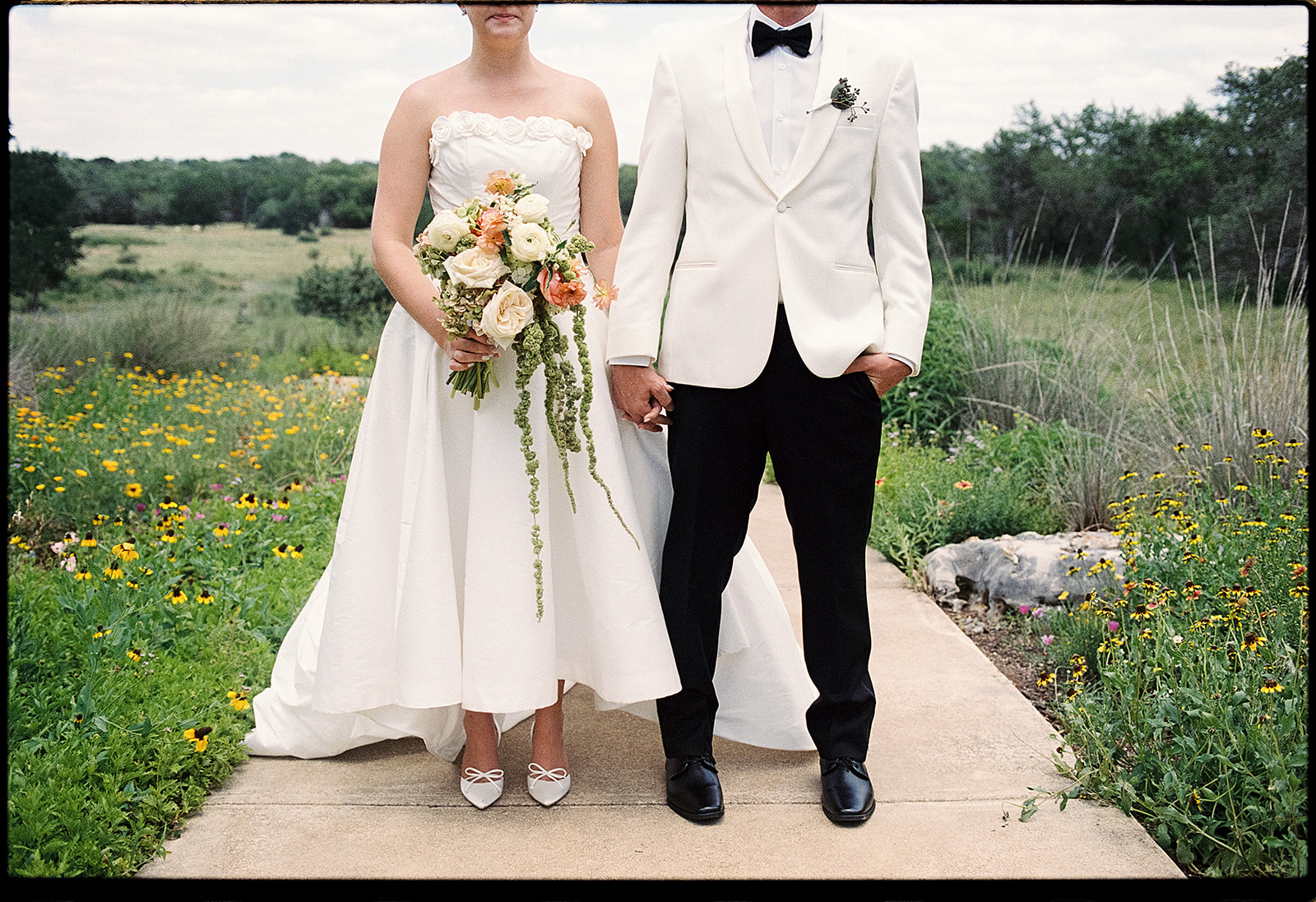
Your Pinterest board is full of flowers that look like they grew around the ceremony: loose and whimsical meadows, sitting low to the ground. Then you remember your wedding date, and it's in November or the middle of summer.
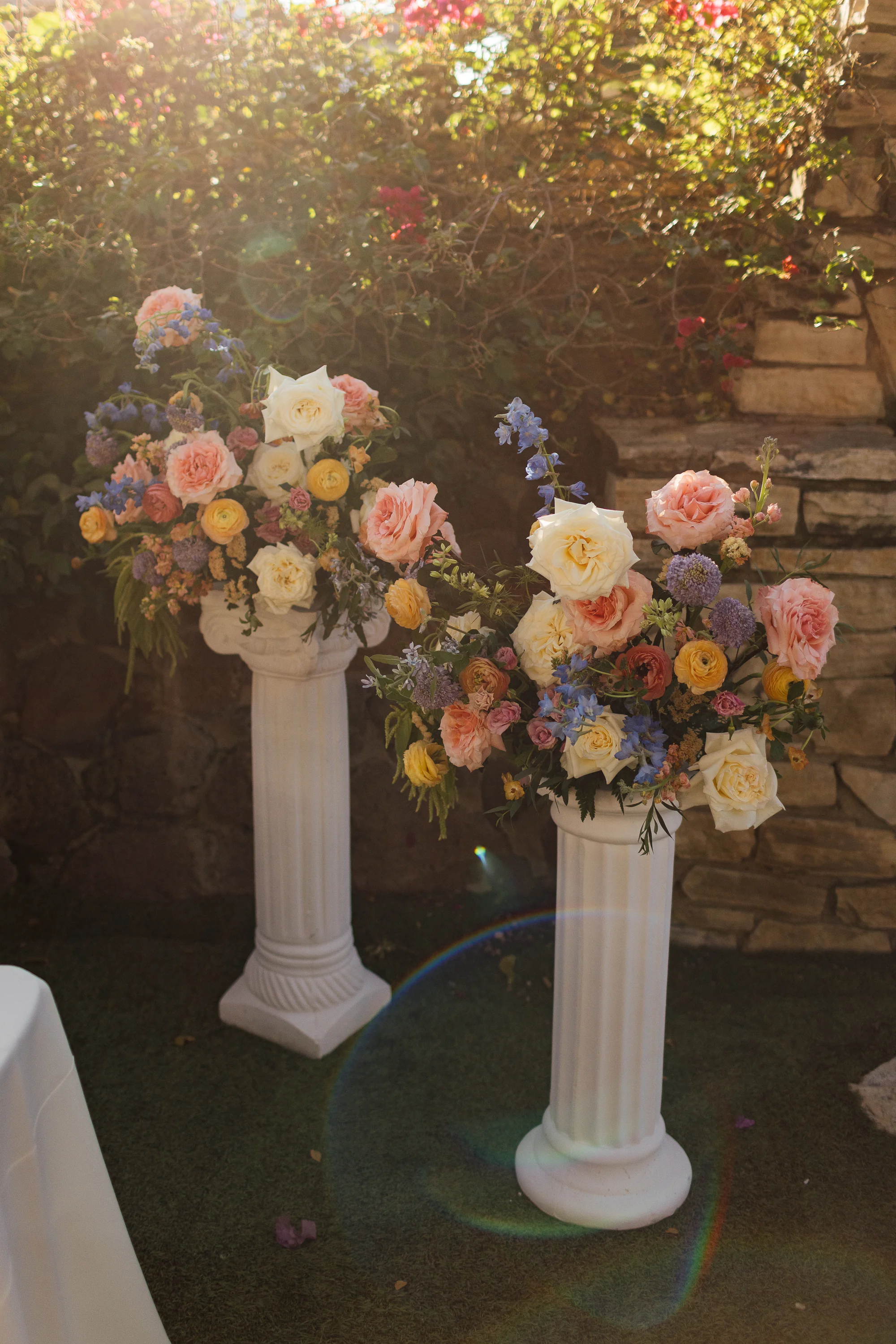
Don’t worry: garden wedding flowers work in every season, not just spring. The stems and colors change with your date and location, but the approach stays the same: a loose, gathered shape with airy flowers and enough greenery or grasses to give the design movement.
More couples want this look. In Poppy's 2027 wedding trends report, 36% of couples planning 2027 weddings shared meadow or wildflower inspiration, up from 31% of 2026 couples. Wildflower stems appeared in about half of Poppy weddings in 2026, up from about a quarter in 2024.
What Makes Garden Wedding Flowers Look Like a Garden?
Shape defines a garden-inspired floral plan more than any one flower does. Start with bouquets that are gathered instead of tightly round. Add a few stems at different heights, and use greenery where the arrangement needs space or movement.
This shape can show up across the whole wedding:
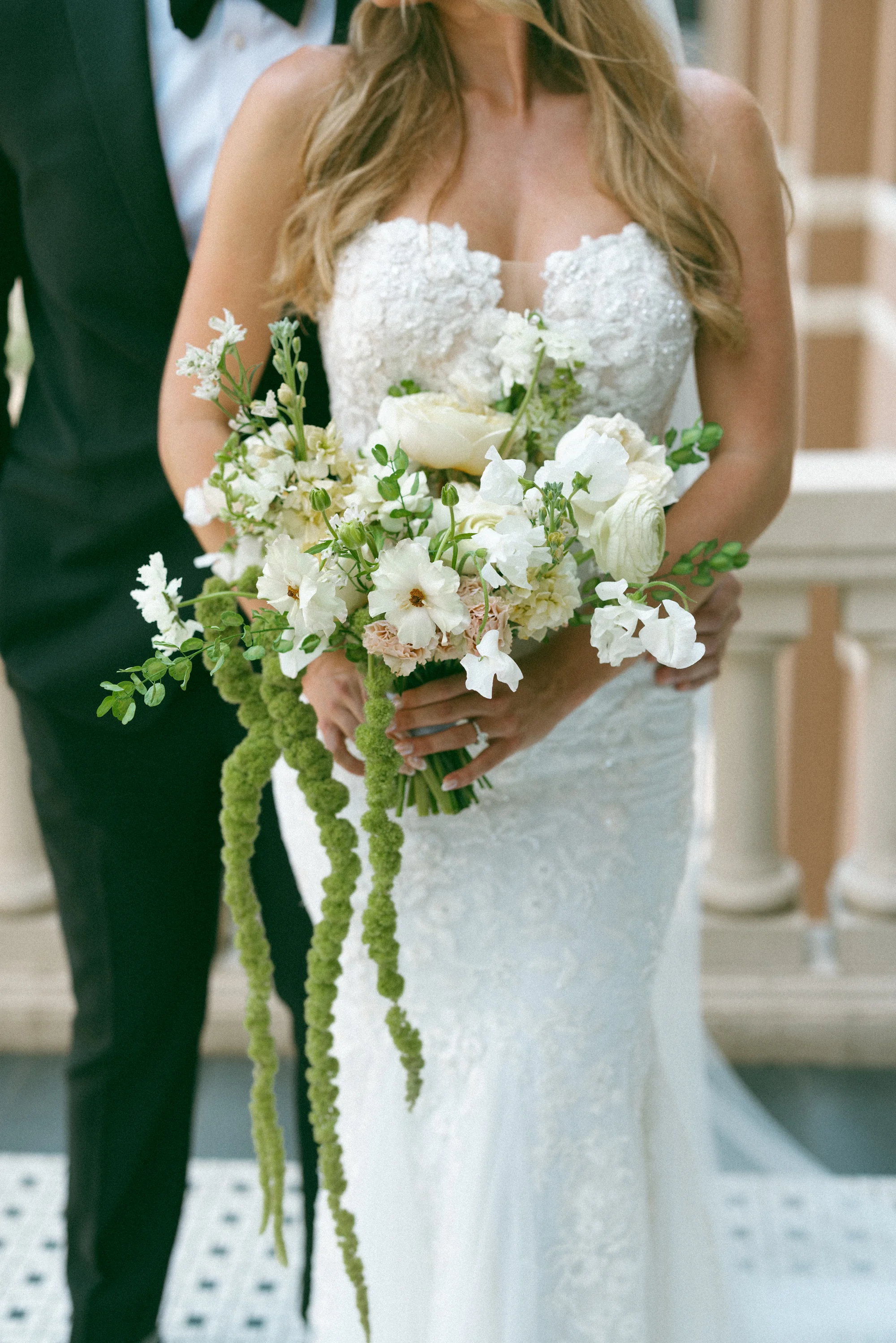
- A bridal bouquet with ranunculus, garden roses, and trailing greenery
- Meadow-style ground arrangements along an aisle
- Bud vases mixed with small floral clusters on dinner tables
- A relaxed installation at the bar, entry, or sweetheart table
This look works at an outdoor garden party wedding, and just as well in a ballroom, hotel, estate, or tent. Indoors, ground arrangements and gathered table flowers make it look like the flowers grew in the room.
Fall Garden Wedding Flowers
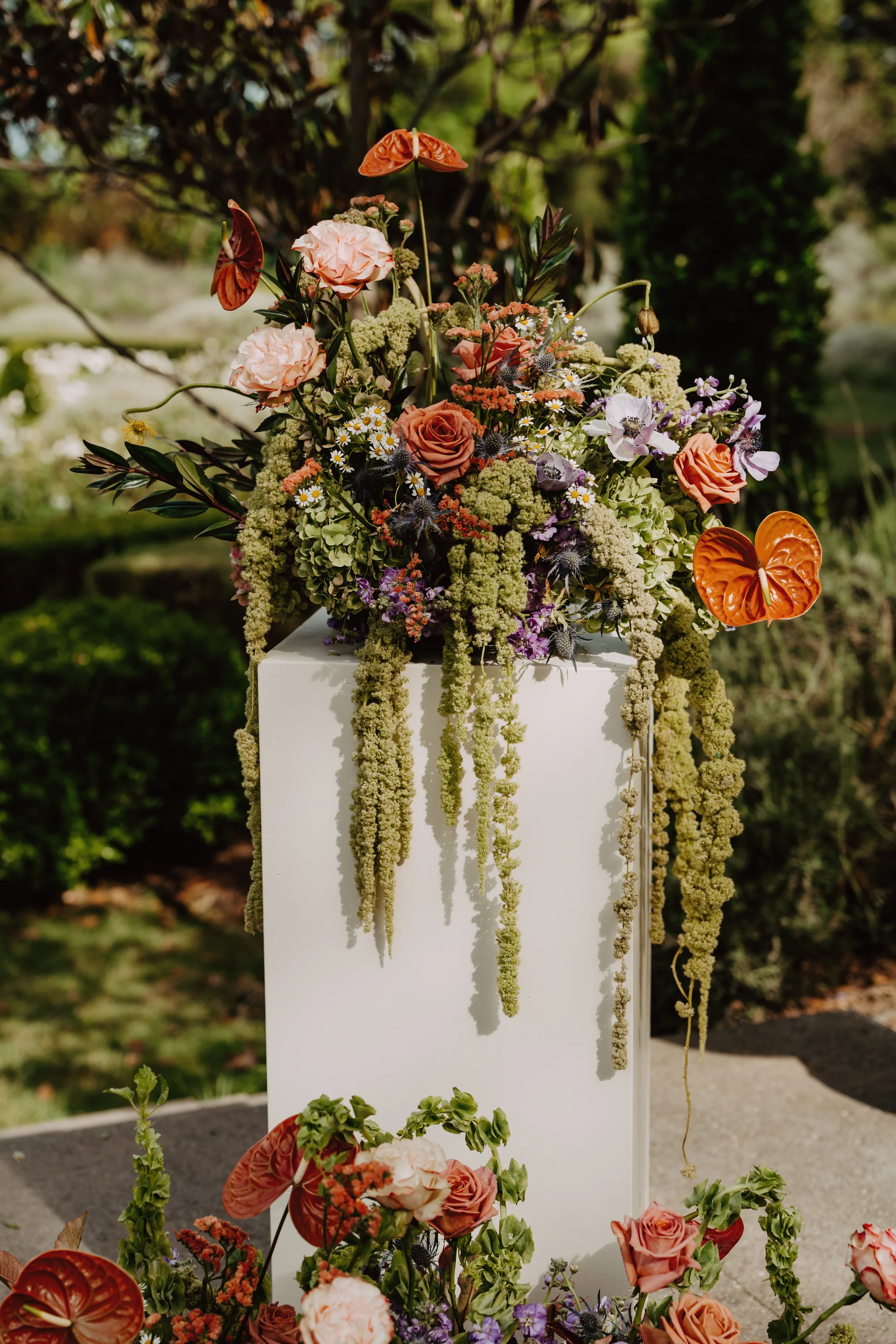
A fall garden wedding has more texture and deeper color to work with. Rust, terracotta, mustard, dusty rose, and burgundy all fit the season. Give the darker shades some contrast with cream, blush, or another light neutral so the flowers stand out against the greenery.
Dahlias work especially well in September and October. They come in warm, complex colors and give a bouquet or centerpiece a full garden shape. Mums, spider mums, celosia, amaranthus, garden roses, and grasses add movement.
A few fall garden wedding flowers to consider:
- Dahlias
- Mums or spider mums
- Celosia
- Hanging amaranthus
- Garden roses
- Ornamental grasses
Fruit and foliage work as small fall accents too. Figs, grapes, ferns, or persimmons give a tablescape a harvest feel, especially next to low arrangements.
If you're getting married in November, availability varies by market. Ask your Designer which stems are at their best for your date, then plan the garden look around the shape and color you love.
For a full seasonal guide, see What’s Actually in Season for a Fall Wedding or Poppy’s Fall Wedding Flowers Complete Guide.
Winter Wedding Flowers for a Garden Look
A winter garden wedding can feel soft and full of life, even when the trees outside are bare. White and green is a strong starting point, especially with ranunculus, anemones, hellebores, tulips, and garden roses. Champagne, deep red, or jewel tones add color and still feel right for winter.
Use loose shapes and a few airy stems to keep winter wedding flowers from feeling stiff. A bouquet of white ranunculus, garden roses, and greenery looks like a garden even in a formal ballroom. Hellebores and anemones add shape, and tulips bring movement as their stems bend naturally.
Good winter choices include:
- Ranunculus
- Anemones
- Hellebores
- Amaryllis
- Tulips
- Garden roses
Cooler temperatures are easier on flowers, especially during an outdoor ceremony or photos. Indoor heat, travel time, and your venue setup still matter, so use your design meeting to talk through where the flowers will go and any day of instructions we should be aware of.
Find more availability guidance in What’s in Season for a Winter Wedding and Poppy’s Winter Wedding Flowers Complete Guide.
Spring Garden Wedding Flowers
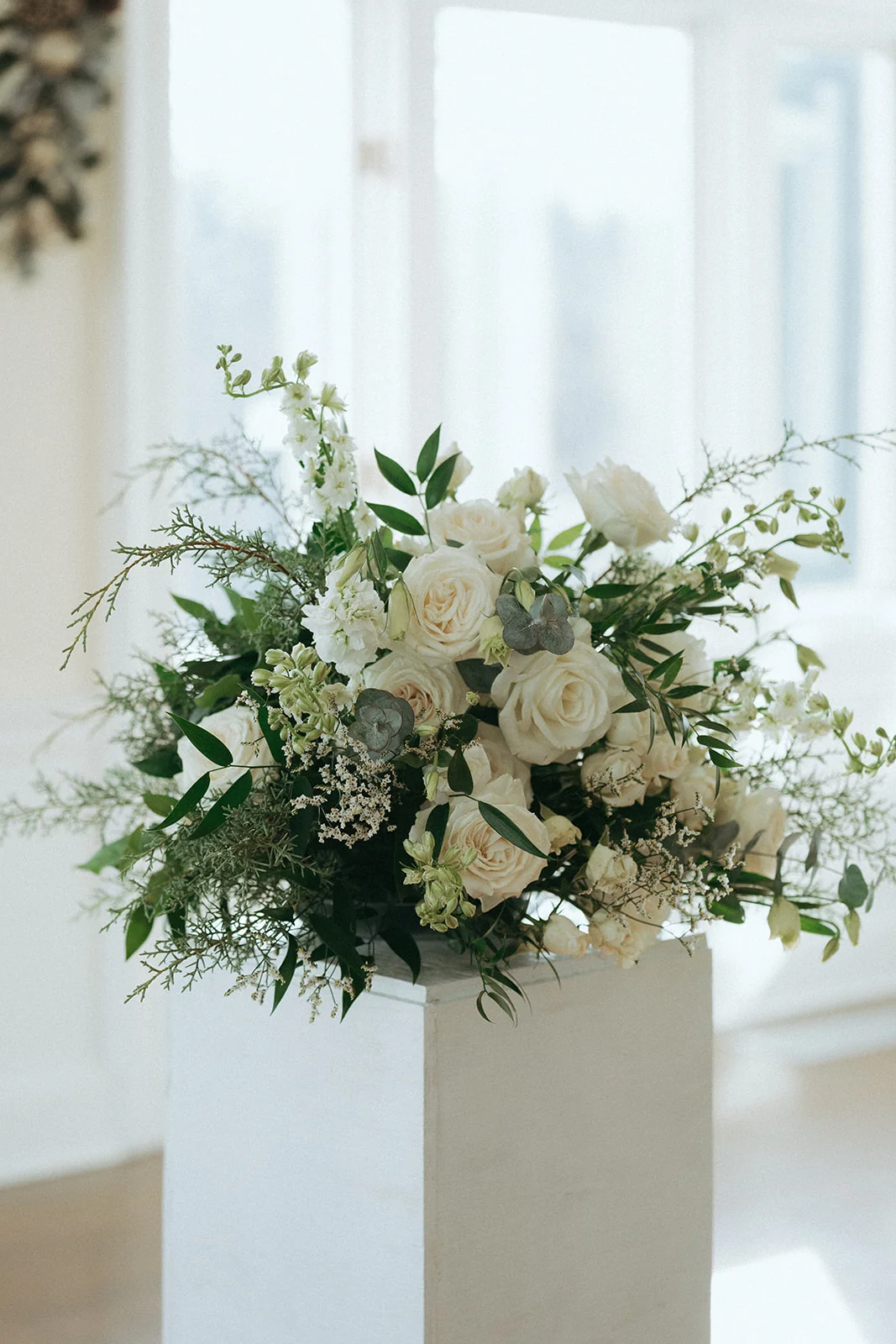
Spring is the season most couples picture when they save whimsical wedding flowers. You'll have a wide selection of soft colors, and many stems have natural movement.
Blush, cream, lavender, butter yellow, and peach work well together. Peonies, ranunculus, sweet peas, tulips, and early-season garden roses give bouquets a just-picked look. Add wildflower textures where they're available in your region.
For a spring garden plan, try:
- Peonies
- Ranunculus
- Sweet peas
- Tulips
- Lilac
- Garden roses
Lilac has a short season, usually late April through early May, so treat it as a bonus if your date lines up. If your wedding is in March, your Designer can suggest flowers with a similar airy shape and soft color.
Summer Garden Wedding Flowers
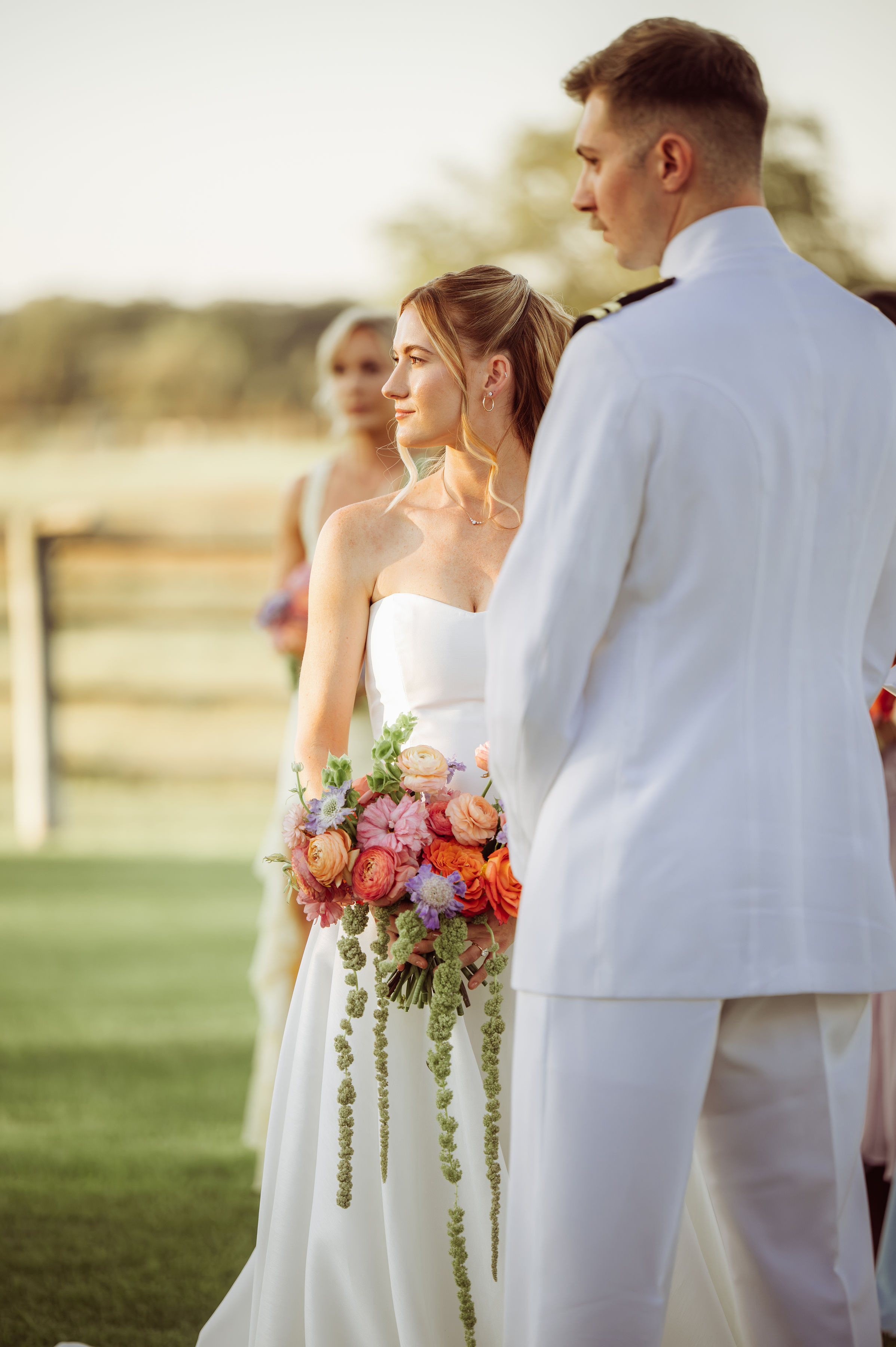
Summer gives you a lot to work with. Dahlias, zinnias, garden roses, delphinium, cosmos, and hydrangeas all create a full garden shape, whether your palette is coral and peach, citrus brights, dusty blue, or mostly white and green.
Along the aisle, meadow-style ground arrangements make the ceremony feel like it's set in a field of flowers. On tables, several small arrangements at different heights let guests see each other and spread the flowers across the table.
Summer garden flowers to consider:
- Dahlias
- Zinnias
- Garden roses
- Delphinium
- Cosmos
- Hydrangeas
Plan for outdoor heat. Dark blooms absorb more heat and can show stress sooner in direct sun, so an indoor reception is often a better place for deep shades. For more on hydrangea colors and seasons, see Poppy’s Hydrangea Wedding Flowers Guide and 2027 Wedding Flower of the Year: Hydrangea.
Picking a Garden Wedding Color Palette
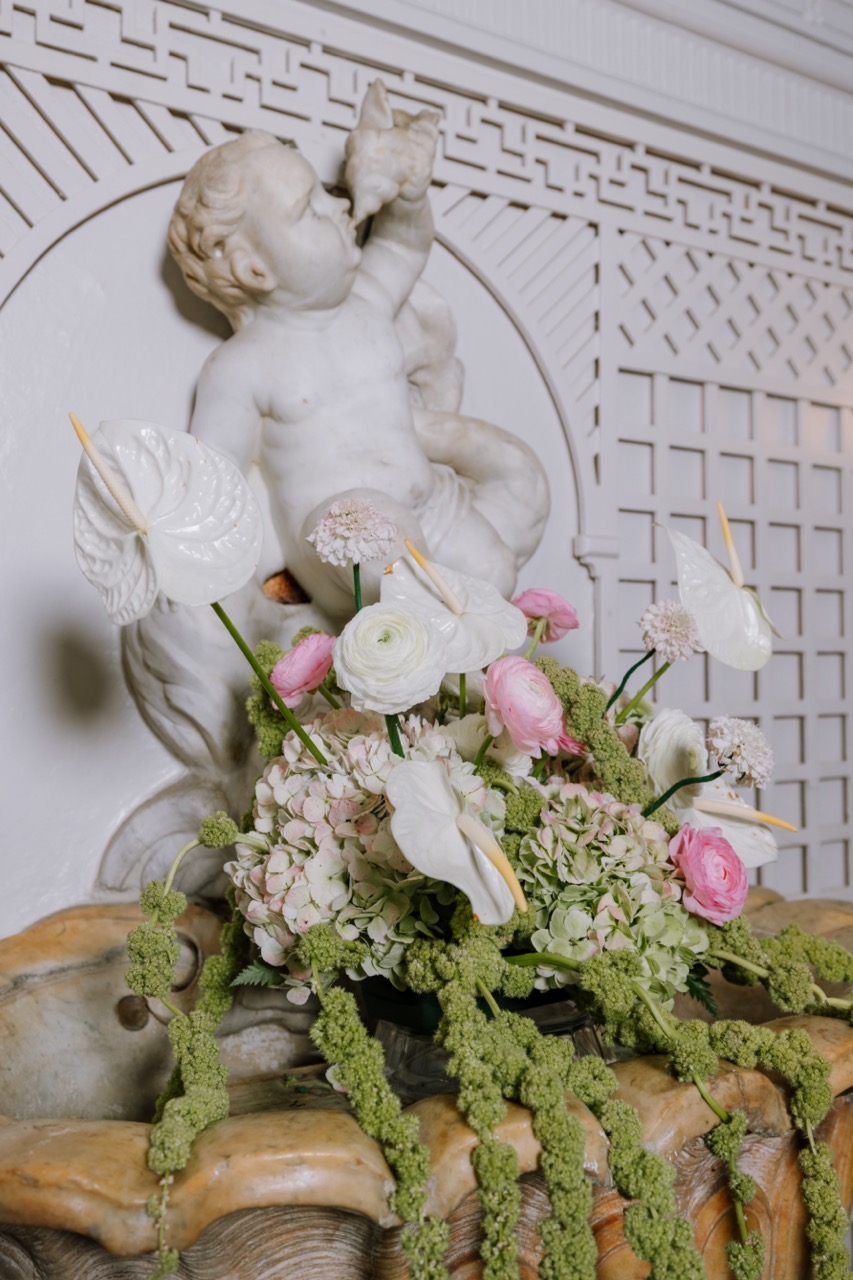
A garden wedding color palette works best with contrast. Greenery, grasses, and foliage take up a lot of the design, so a palette made entirely of deep tones can blend into the background.
Start with two to four colors plus a neutral. One simple ratio is about 60% main color, 25% secondary color, and 15% accent. You can also use several shades of one color for depth. In fall, try burgundy with dusty rose and cream. Winter works well in white and green with a little deep red, and spring could combine butter yellow, peach, and soft lavender.
If you want a darker palette, read Oxblood: The Unexpected Wedding Color Taking Over Fall Into 2027.
Getting the Garden Look Without Overspending
In-season stems usually give you more options for color, flower condition, and fullness. They also take less sourcing than flowers grown far from your market or outside their normal season.
To keep the plan flexible, tell your Designer the shape and colors you want, and let them recommend the best stems for your date. If peonies aren't available, garden roses have a similar rounded shape. If ranunculus aren't in season for your date, lisianthus bring similar softness and movement.
This works especially well if you love the look of Meadow & Moss Moments.
Find Your Version of the Garden Look
Start with the season you're getting married in, then save the arrangements and colors you love most.
See what's in season for your month →
Photo credits: Ariah Jade Photography (Shelby and Jeremy), Angela King (Danielle and Drew), Jess Holle (Liz and Ryan), Deidre Alston (Julia and Evan), Heather Kiese (Aransas and Tyler), and Olga Vang (Ashley and Corbin).