


Trends & Inspiration
What’s Actually in Season for a Fall Wedding: A Guide for October and November
Trends & Inspiration
October and November are both fall, but they're not the same flower season.
The difference between what's available on October 5 and what's available on November 15 is significant enough to change your design conversation entirely. The deciding factor isn't the calendar. It's frost.
Here's what's actually realistic, depending on where your date falls.
If Your Wedding Is in October
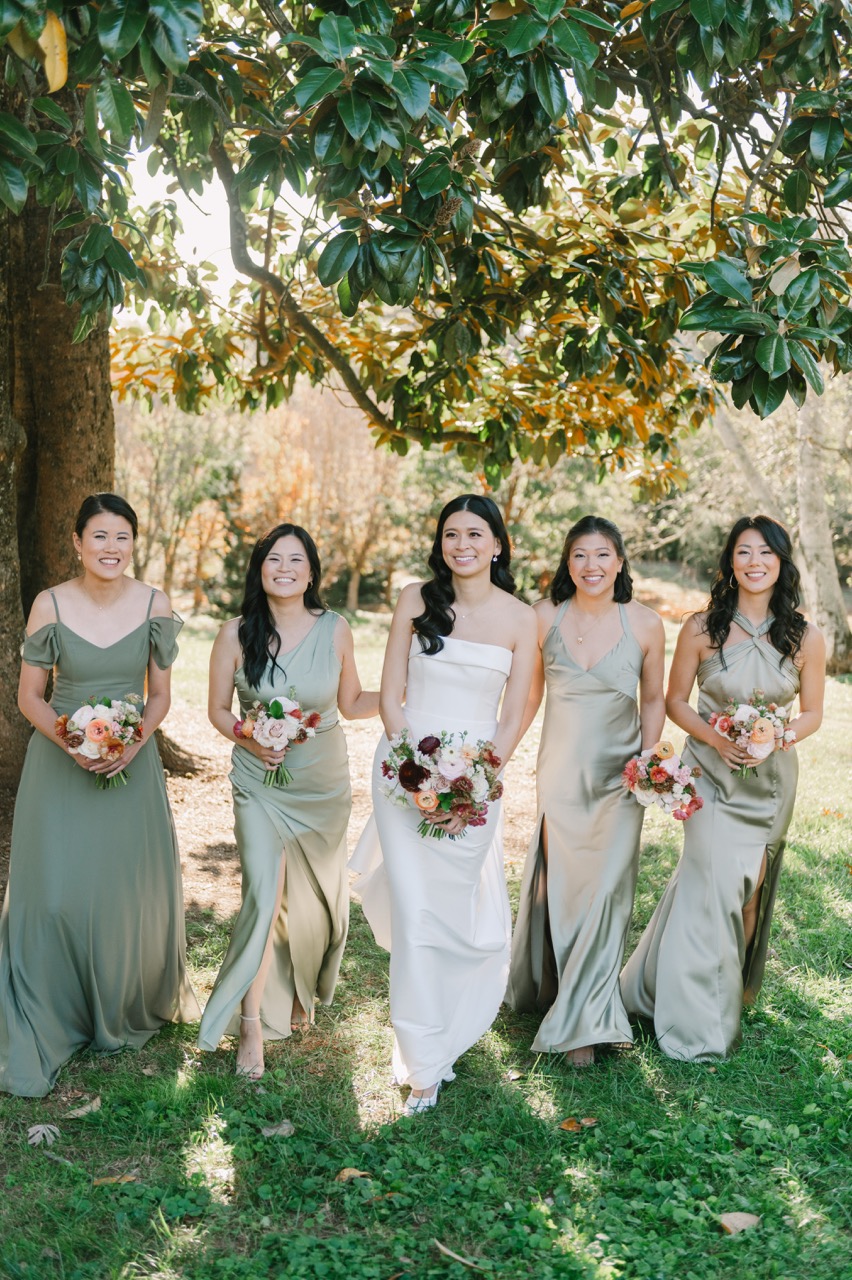
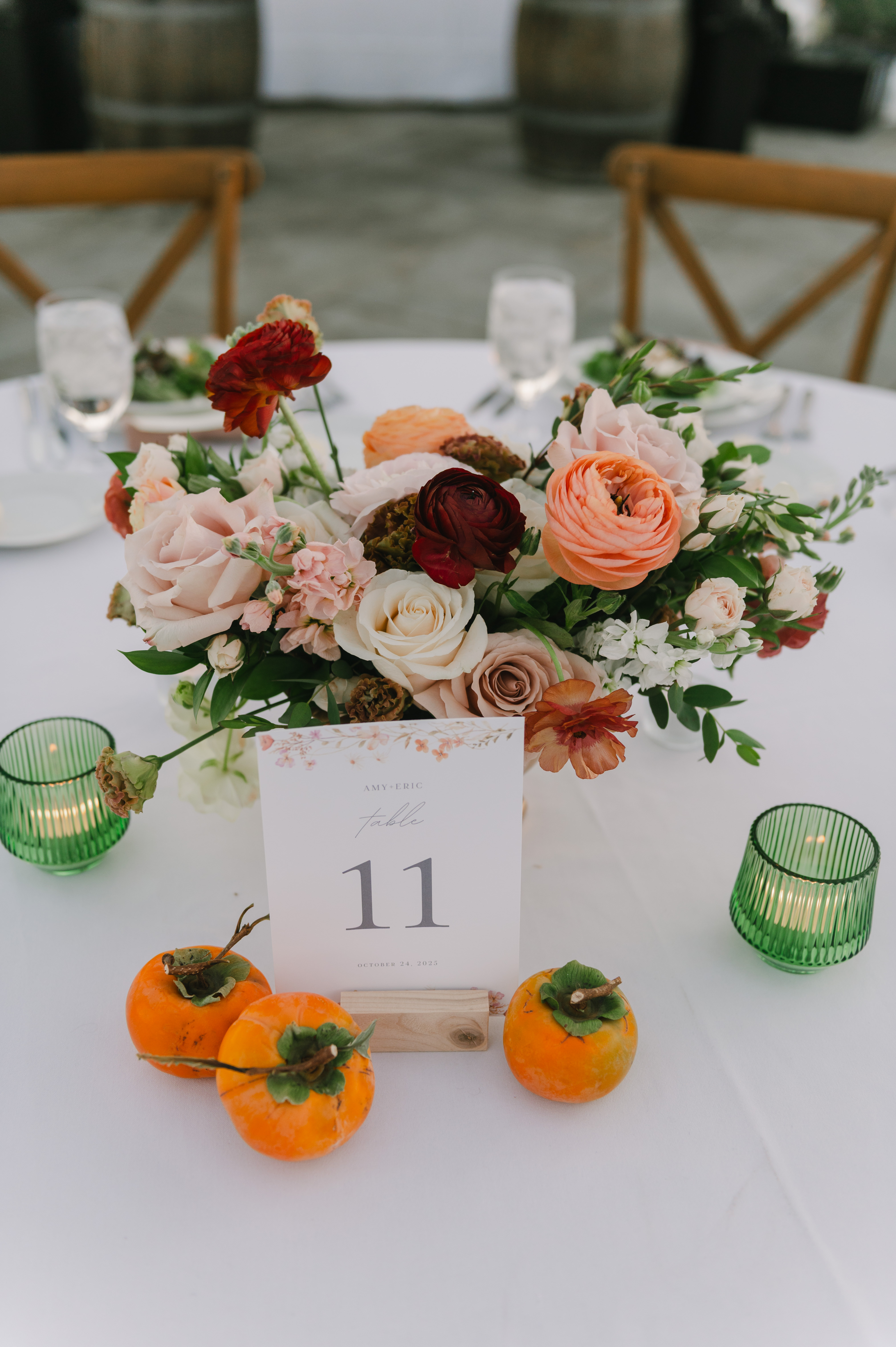
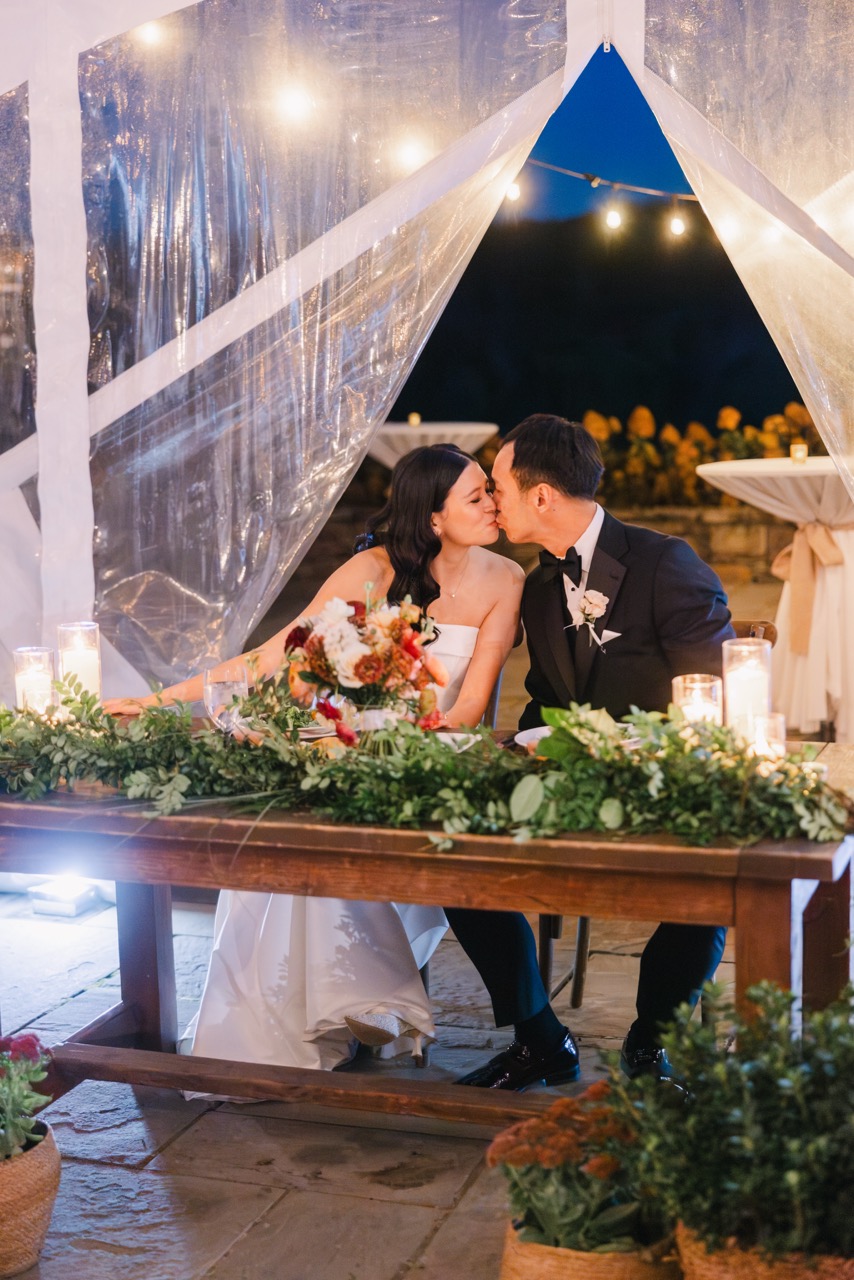
October is the strongest domestic fall season for wedding flowers. Dahlias are at or near their production peak. The Pacific Northwest harvest is in full swing, and availability is genuinely broad. Most of what's been filling your Pinterest board since spring is available and fresh.
Dahlias are the stem that defines October. Dinner plate, ball, and pompon varieties across the full fall color palette: terracotta, rust, deep burgundy, warm peach, soft orange. This is the month they're meant for.
Chrysanthemums come in nearly every shape and color, hold up exceptionally well in fall temperatures, and are one of the most available stems of the season. They're also more versatile than their reputation suggests.
Celosia, the velvety, textured stem in deep red, magenta, and burnt orange is at peak in October. It adds visual weight to fall arrangements in a way that's hard to replicate with any other flower.
Roses are available year-round through farm-direct sourcing, which means they're not subject to the seasonal fluctuation that field-grown stems are. Whatever fall palette you're building, they're probably in it.
Turning foliage and dried grasses (maple, oak, sourwood) add the kind of seasonal grounding that makes a fall arrangement feel specific to the time of year rather than just color-coordinated.
If you're getting married in October, the short answer is: your original design direction is probably still intact. For the full picture on what's available, What Flowers Are in Season for an October Wedding? → goes into great detail.

If Your Wedding Is in November
November is where the conversation changes.
A hard frost ends most stateside dahlia production, typically sometime in late October or early November, depending on the year and growing region. This doesn't mean dahlias disappear entirely: Poppy's farm-direct relationships include international growers whose production isn't subject to frost, which means some variety access continues past the stateside season. But the range narrows, and if you have a specific dahlia variety in mind, it's worth a conversation with your designer about what's realistic for your exact date rather than assuming.
What stays reliably strong in November:
Roses and spray roses are the most consistent fall-to-winter stems, and are unaffected by frost. Color range stays broad, and quality stays high.
Chrysanthemum production moves largely to greenhouse growing as outdoor temperatures drop, keeping most varieties available through the season.
Carnations are underestimated, and consistently excellent when the design is intentional. They hold color well, last longer than almost anything else, and sit naturally in fall palettes.
Ranunculus begins returning from Southern California farms and international sources in November, often available when it feels like it wouldn’t be.
Eucalyptus and dried foliage have no seasonal limitation.
The honest version of November: the design conversation shifts from field-grown toward more reliable year-round stems, and it works beautifully when the direction is deliberate. The goal isn't to recreate an October look with different flowers. It's to work with what's genuinely excellent in November. For the complete fall reference, Fall Wedding Flowers: Complete Guide for September, October & November → covers it fully.
What If Frost Affects a Bloom You Already Chose?
If you're finalizing now and concerned about a specific flower (dahlias are the most common one) there are two real options, not just reassurance.
First: design adjustments are open up to 60 days out. If your date is still inside that window, there's time to have the conversation and confirm what's realistically sourceable before anything is locked in. The finalization deadline guide → covers exactly when each decision closes.
Second: if a specific stem isn't available for your date, the design direction can hold even when the flower changes. A warm terracotta palette built around roses, mums, and dried grasses reads similarly to a dahlia-forward arrangement. The color and texture carry it. This is the conversation a designer is set up to have, and it's worth having it early.
For everything on dahlias specifically — season, what drives the timing, what affects availability as fall progresses — the Dahlia Wedding Flowers: Complete Guide → has the detail.
Fall flowers are genuinely seasonal in a way that most other elements of wedding planning aren't. If any of this raises a question about your specific date, a direct check-in costs nothing and answers a lot.
If you're still in the inspiration phase and want the aesthetic version (palettes, full stem lists, mood) Fall 2026 Wedding Flowers: The Palettes, Stems, and Moods to Know Now → is the piece for that.
Not sure what's realistic for your date? Check in with your designer