
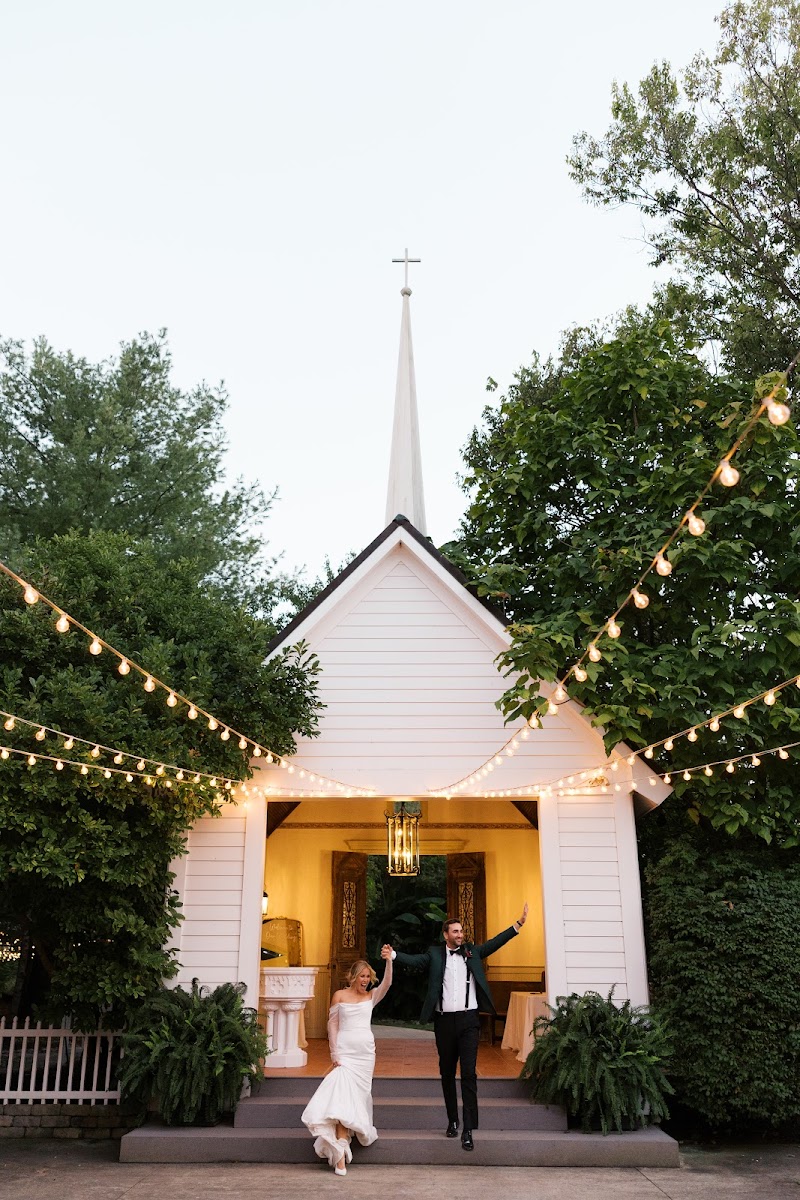
The drive along Mary Ingles Highway follows the curves of the Ohio River, and somewhere between the last traffic light and the property gates, the suburban sprawl of Northern Kentucky dissolves into something older and quieter. The Inn at Oneonta announces itself first through its grounds — twenty-five acres of rolling lawns that slope down toward the river, punctuated by old-growth trees and winding paths that seem to have been there forever. Then comes the mansion itself: a three-story brick edifice that survived the catastrophic 1937 flood when every other structure in the town of Oneonta was swept away. It stands solid and immovable, its red brick warm in the afternoon light, windows gleaming, a testament to both good engineering and stubborn resilience. Beyond the main house, the property unfolds in unexpected layers — a custom-built train station complete with pool tables and arcade games, a charming chapel tucked among the trees, a white gazebo perched at the river’s edge where the Ohio slides past in broad, lazy curves. And then, crowning the central lawn, the high-peaked cathedral tent rises like something out of a European estate wedding, its elegant draping and lighting system visible even from the entrance drive. This is not a venue that tries to be something it is not. It is a historic river property with quirky charm, modern amenities, and the kind of storytelling architecture that makes a wedding feel rooted in place. Poppy has received 7 inquiries for The Inn at Oneonta wedding flowers, and each time we review the site photos, we see new possibilities in the interplay between river views, historic brick, and that spectacular tent.
About The Inn at Oneonta
The Inn at Oneonta carries its history close to the surface. The main house was built in the early 20th century as a private residence, and when the Great Flood of 1937 swept through the Ohio River Valley — one of the worst natural disasters in American history — it was the only structure in the town of Oneonta left standing. That alone gives the building a kind of gravitas. You can stand in one of the upper rooms, look out toward the river, and imagine what it must have been like to watch the water rise and the town disappear. Today, the mansion functions as a luxury accommodation for wedding parties, sleeping up to twelve guests across three stories of restored interiors. The rooms retain their historic bones — original hardwood floors, tall windows with deep sills, crown molding — while incorporating modern comforts. For brides getting ready, the upper floors offer excellent natural light, space to spread out hair and makeup stations, and enough period detail to make every photo feel timeless.
Beyond the main house, the property expands into a series of distinct zones, each with its own character. The custom-built train station is perhaps the most unexpected — a whimsical structure that serves as the groom’s headquarters, complete with pool tables, arcade games, and a train-themed suite for overnight stays. The on-site chapel provides an intimate indoor ceremony option for up to sixty guests, with historic charm and protection from unpredictable Midwest weather. The Guest House Cottage sleeps six, the smaller Cottage accommodates two, and all overnight accommodations are included in the venue rental, making this an ideal spot for a true wedding weekend experience where your closest family and friends can stay on the property.
The star of the property, from a reception standpoint, is the high-peaked cathedral tent. This is not a standard event tent. It is a semi-permanent structure with soaring ceilings, elegant fabric draping along the walls and roof, a sophisticated lighting system that can be programmed to shift colors throughout the evening, and a built-in bandstand for live entertainment. Round guest tables are set with Mahogany Chiavari chairs, and the space can accommodate up to 350 guests comfortably. The tent sits on the central lawn with views toward the river, and on a clear evening, the combination of interior lighting and natural twilight creates an atmosphere that feels both festive and refined.
The riverside gazebo offers a picture-perfect ceremony setting with the Ohio River as a backdrop. White padded garden chairs are included with the rental, and the elevation of the gazebo provides natural stadium-style sightlines for guests. The property’s twenty-five acres of grounds include walking trails, mature landscaping, and endless photo opportunities along the riverbank and throughout the historic structures.
Logistically, The Inn at Oneonta sits about twenty minutes from downtown Cincinnati, making it easily accessible for guests traveling from Ohio, Northern Kentucky, and the broader tri-state region. The venue operates by appointment only, ensuring privacy and exclusivity for each event. Be Creative Catering handles all food and beverage services in-house, which streamlines coordination. Parking and ground attendants are included with the property rental. For Poppy’s delivery team, load-in is straightforward with vehicle access close to both the tent and the chapel. The venue’s event staff is responsive and accustomed to working with outside floral vendors, which makes setup efficient and collaborative.
Event Spaces & Floral Opportunities
High-Peaked Cathedral Tent Reception Area
Capacity: 350 seated
Setting: The cathedral tent is the centerpiece reception space at The Inn at Oneonta, and it earns the name. The peaked roof soars upward, creating a sense of volume and drama that most tents lack entirely. Elegant draping softens the interior walls and ceiling, while a programmable lighting system allows for color washes that can shift throughout the evening — soft amber during dinner, deeper jewel tones for dancing, romantic lavender for the cake cutting. A built-in bandstand provides a dedicated space for entertainment, and the round tables with Mahogany Chiavari chairs already establish a warm, polished foundation. The tent sits on the lawn with open sides (or can be enclosed depending on weather), offering views toward the river and the surrounding property. This is a space that balances elegance with approachability — formal enough for a black-tie celebration, relaxed enough for a garden party reception.
Floral approach: The cathedral tent’s volume invites vertical installations. Tall centerpieces on clear glass risers or gold trumpet vases — overflowing with delphinium, snapdragons, larkspur, and lisianthus — draw the eye upward and emphasize the tent’s height without blocking sightlines. For couples who prefer low centerpieces, we favor lush, garden-style arrangements in compote bowls or shallow wooden boxes: Juliet and Patience garden roses, white hydrangea, blush ranunculus, and trailing jasmine vine create romantic, abundant displays that feel organic rather than fussy. The bandstand is prime real estate for a floral moment. A garland installation running along the front edge — smilax, Italian ruscus, and seeded eucalyptus punctuated with clusters of quicksand roses and burgundy dahlias — frames the entertainment without overwhelming it. Alternatively, two large statement urns flanking the bandstand create symmetry and visual weight. The tent’s lighting system is a key consideration: floral colors shift dramatically under colored washes, so we recommend testing your palette under the intended lighting or choosing blooms that hold their color across a range of light temperatures (whites, creams, and deep jewel tones are reliable). The tent entrance is often overlooked but offers an excellent opportunity for a welcome moment — two oversized arrangements in aged bronze urns or rustic wooden crates, bursting with seasonal branches, hydrangea, and textured foliage, signal the transition from cocktails to the main event. The Inn at Oneonta wedding flowers in this tent should feel abundant and layered, with enough variety in height and texture to fill the volume without cluttering the sightlines.
Riverside Gazebo Ceremony Site
Capacity: 200+ ceremony guests (white padded garden chairs included)
Setting: The riverside gazebo sits on a gentle rise overlooking the Ohio River, with water views stretching in both directions. The structure itself is classic white gazebo architecture — octagonal, open-sided, with a pitched roof that provides shade and definition. The included white padded garden chairs are arranged on the lawn facing the gazebo, creating a natural amphitheater with good sightlines from every angle. Behind the gazebo, the river provides a constantly shifting backdrop — light on water, occasional barge traffic, the far Kentucky and Ohio banks green and hazy in the distance. The setting is inherently romantic, with mature trees framing the sides and the expansive lawn creating breathing room around the ceremony space.
Floral approach: The gazebo’s white structure is a blank canvas that supports nearly any floral style, but the river views argue for restraint. A full, asymmetrical arch installed within the gazebo frame — café au lait dahlias, quicksand and cappuccino roses, white lisianthus, and trailing Italian ruscus — creates a lush focal point without blocking the water. For couples drawn to modern minimalism, a geometric hexagonal arch adorned with sparse clusters of white phalaenopsis orchids, anthurium, and monstera leaves offers clean lines that complement the natural surroundings. Aisle arrangements can be as simple as shepherd’s hooks with hanging arrangements of hydrangea and roses, or as organic as clusters of lanterns and loose blooms in varying heights along the aisle edges. The white padded chairs themselves rarely need decoration — a single stem of delphinium or a small bouquet of wildflowers tied to every third or fifth chair provides visual rhythm without overwhelming the setup. Consider the weather: riverside sites can be breezy, so installations need secure mechanics. Zip ties, floral wire, and weighted bases are essential. We also recommend choosing blooms that can handle a few hours of sun without wilting — roses, hydrangea, and most foliages are reliable; delicate blooms like sweet peas and anemones are riskier. The Inn at Oneonta’s ceremony flowers at the gazebo should enhance the river views, not compete with them.
Onsite Chapel
Capacity: 60 seated
Setting: The on-site chapel is a charming, intimate space tucked among the trees on the property. It offers a traditional indoor ceremony setting with classic chapel architecture — pews, an altar area, and enough historic character to feel special without being overly formal. The chapel serves as an excellent backup plan for unpredictable Midwest weather or as the primary choice for couples who prefer an indoor ceremony. The scale is deliberately intimate, which creates a warm, personal atmosphere for smaller guest counts or for couples who want a more traditional religious ceremony before transitioning to the larger tent reception.
Floral approach: The chapel’s intimate scale requires restraint. A large, sprawling altar arrangement would dominate the space; instead, we favor a single elevated arrangement on a pedestal or a pair of symmetrical arrangements flanking the altar — white Asiatic lilies, ivory spray roses, and seeded eucalyptus in classic silver or mercury glass vessels create a timeless, elegant look. For a softer approach, consider a low, lush arrangement along the altar front: garden roses, ranunculus, and white hydrangea in a long, low wooden box feels romantic and organic. Pew decorations add charm without overwhelming the architecture — small bouquets of seasonal blooms tied with silk ribbon to every other pew, or single stems in bud vases clipped to pew ends, provide subtle color and visual interest. The chapel’s historic character pairs beautifully with vintage-inspired floral styles: heirloom garden roses (David Austin varieties like Patience, Juliet, and Constance), scabiosa, hellebores, and dusty miller create a timeless, heirloom aesthetic. Keep installations light and transportable if you plan to repurpose ceremony florals at the reception — altar arrangements can move to the tent entrance or head table, and pew bouquets can be regrouped as cocktail table accents.
Historic Main House
Capacity: Sleeps 12 (bridal party accommodations)
Setting: The three-story brick mansion serves as the bridal party’s home base on the wedding day. The upper floors feature spacious rooms with excellent natural light — tall windows, high ceilings, and clean white walls that photograph beautifully. The historic architecture provides built-in character: original hardwood floors, crown molding, and period details that need little embellishment. This is where hair, makeup, and all the getting-ready rituals unfold, and the space accommodates photographers and videographers comfortably. The main house also offers multiple photo opportunities: grand staircases, vintage furniture, doorways framing views of the grounds, and intimate corners perfect for detail shots of the dress, shoes, and florals.
Floral approach: Getting-ready spaces benefit from a few well-placed floral moments rather than full-scale installations. A statement arrangement in the bridal suite — an abundant mix of the bride’s bouquet flowers in a vintage brass or ceramic vessel — creates a luxurious atmosphere and ensures the room photographs beautifully. Loose stems in bud vases or small compote bowls can be scattered throughout the suite for styling detail shots: a single garden rose next to the perfume bottle, a small cluster of ranunculus beside the jewelry box. Consider the color palette of the room itself; the main house’s neutral walls and warm wood tones support nearly any floral palette, but jewel tones and rich, saturated colors photograph particularly well against historic architecture. For the groom’s quarters in the train station, a simpler arrangement works best — something masculine and unfussy, like a low arrangement of succulents, greenery, and a few dark, textured blooms (chocolate cosmos, burgundy dahlias, dark scabiosa pods) in a rustic wooden box or industrial metal container. These getting-ready florals serve double duty: they enhance the morning’s atmosphere and then travel to the reception as cocktail table accents or bar arrangements.
Train Station
Capacity: Groom’s party accommodations and entertainment space
Setting: The custom-built train station is one of The Inn at Oneonta’s most distinctive features. This whimsical structure houses pool tables, arcade games, and a train-themed suite for overnight stays, creating a relaxed, playful environment for the groom and groomsmen to get ready. The decor leans masculine and nostalgic — vintage train memorabilia, dark wood, and casual lounge seating. It is the antithesis of the formal bridal suite, which is precisely the point. The space allows the groom’s party to relax, play games, and enjoy a low-key morning before the ceremony.
Floral approach: The train station requires minimal floral intervention. This is not a space that calls for abundant blooms or romantic garden styles. A single welcome arrangement near the entrance — something structured and textural rather than soft and romantic — is typically sufficient. Consider a low arrangement in a dark ceramic or wooden container: succulents, eucalyptus, leather leaf fern, and a few dark, architectural blooms like burgundy calla lilies or chocolate cosmos. The palette should lean toward deeper, more saturated tones rather than pastels. If the groom’s party is using the space for casual portraits, ensure that the arrangement is styled on a side table or bar area where it appears in a few shots without dominating the frame. These arrangements can then move to the reception as bar florals or cocktail table accents, maximizing your floral budget across multiple spaces.
Guest House Cottage and Cottage
Capacity: Sleeps 6 (Guest House Cottage) and 2 (Cottage)
Setting: The on-site guest accommodations allow close family and friends to stay on the property throughout the wedding weekend. The Guest House Cottage and the smaller Cottage provide comfortable, home-like lodging with historic charm. These spaces are less about grand photo opportunities and more about creating a warm, welcoming atmosphere for your most important guests.
Floral approach: A small welcome arrangement in each accommodation is a thoughtful gesture that requires minimal budget but delivers significant impact. Choose long-lasting, hardy blooms that can withstand a few days without constant water changes: carnations, alstroemeria, chrysanthemums, and solidago in simple glass or ceramic vases. These arrangements should feel friendly and unpretentious — loose, organic groupings rather than formal designs. If the couple is hosting a welcome dinner or post-wedding brunch on the property, these cottage arrangements can double as table florals, stretching the budget further.
Wedding Flower Ideas for The Inn at Oneonta
Ohio River Romance
This palette draws from the softest moments of a river sunrise: blush, ivory, champagne, and the palest peach, with touches of silvery green. Garden roses anchor the design — Patience, Keira, and Romantic Antike — layered with white ranunculus, blush astilbe, and cream lisianthus. Touches of pale peach stock and ivory spray roses add movement and texture, while silver dollar eucalyptus and dusty miller provide soft, muted foliage. Arrangements sit in vintage brass compote bowls and weathered ceramic vessels that echo the historic character of the main house. In the cathedral tent, centerpieces are lush and abundant, spilling over the edges of compotes in an organic, garden-gathered style. At the riverside gazebo, the ceremony arch is a full, asymmetrical installation that feels effortless and romantic, with trailing jasmine vine and smilax softening the structure. This design works beautifully for spring and summer weddings, when the river views are lush and green, and it photographs dreamily in both natural light and the tent’s amber evening glow.
Kentucky Bourbon & Brick
Rich, warm, and grounded, this palette takes inspiration from the venue’s historic brick and Kentucky’s bourbon heritage. Burgundy, rust, burnt orange, and deep plum form the foundation, lightened by touches of caramel, dusty mauve, and warm ivory. Dahlias in deep jewel tones (Crichton Honey, Labyrinth, Black Satin), mauve garden roses (Quicksand, Amnesia), and rust-colored ranunculus create depth and drama. Accents include chocolate cosmos, burgundy scabiosa, hypericum berries in rust and plum, and textured foliage like copper beech and burgundy leucadendron. Vessels lean rustic and substantial: aged bronze urns, dark wood boxes, and terra-cotta pots. In the tent, tall arrangements on gold trumpet vases draw the eye upward, while low centerpieces in wooden boxes feel grounded and organic. The chapel altar arrangement incorporates deep burgundy and burnt orange blooms against ivory, creating a classic, autumnal elegance. This palette is ideal for fall weddings, when the surrounding trees echo the same warm tones, and it pairs beautifully with the mahogany Chiavari chairs and the tent’s programmable lighting in amber and gold.
River Garden Meadow
Loose, organic, and wildly romantic, this design embraces a naturalistic meadow aesthetic inspired by the twenty-five acres of grounds. The palette is soft and varied: lavender, soft yellow, peach, blush, and white, with abundant greenery. Blooms include garden roses (Juliet, Patience), delphinium in soft blue and lavender, white lisianthus, peach stock, yellow billy balls, and a mix of wildflowers like Queen Anne’s lace, scabiosa, and nigella. Foliage is lush and varied: Italian ruscus, seeded eucalyptus, and grasses like bunny tail and pampas grass (in moderation). Vessels are understated: clear glass cylinders, rustic wooden crates, and galvanized metal buckets. Centerpieces have an asymmetrical, just-gathered-from-the-garden quality, with blooms at varying heights and foliage trailing over the edges. The riverside gazebo ceremony arch is designed as a loose, organic crescent, with blooms clustered in irregular groupings and foliage cascading down one side. Aisle markers are simple bunches of wildflowers and grasses tied to shepherd’s hooks or in small buckets. This palette works beautifully for late spring and summer weddings, when meadow flowers are abundant and the grounds are at their greenest.
Seasonal Considerations
The Inn at Oneonta sits in the Ohio River Valley, subject to the Midwest’s full range of seasonal weather. Each season brings distinct advantages and challenges for outdoor weddings along the river.
Spring (April-May) arrives slowly here, with temperatures ranging from the 50s to the 70s. Early April can still be unpredictable — chilly mornings, warm afternoons, and occasional late frosts — but by late April and into May, the property comes alive with blooming trees and fresh green growth. Spring blooms are abundant and affordable: tulips, daffodils, hyacinths, ranunculus, anemones, and the first garden roses of the season. Lilacs, dogwood branches, and cherry blossoms can be sourced locally for larger installations. The primary concern is rain; spring is the region’s wettest season, so having the chapel as a ceremony backup is wise. For outdoor ceremonies at the gazebo, keep a close eye on the forecast and have a clear weather-contingency plan communicated to guests. The riverside setting is especially beautiful in spring when the trees are that bright, new green.
Summer (June-August) brings warm, humid weather with temperatures regularly in the 80s and occasional heat waves pushing into the 90s. Summer is peak wedding season here, and the cathedral tent’s open sides and evening timing help mitigate the heat. Summer blooms are at their most abundant: garden roses in every variety, hydrangeas (both local and imported), dahlias (starting in July), sunflowers, zinnias, lisianthus, and delphinium. Locally grown flowers are plentiful, which can help with both budget and sustainability goals. The primary concern is heat — both for guests and for florals. For a midday outdoor ceremony at the gazebo, consider providing fans, parasols, or a shaded cocktail area immediately following. Florals need to be hydrated thoroughly and installed as late as possible; delicate blooms like sweet peas and anemones may not survive afternoon heat. Hardier options like roses, hydrangeas, and most foliages hold up better. River views are lush and green, and sunset ceremonies benefit from long, golden light stretching across the water.
Fall (September-October) is the region’s most popular wedding season for good reason. Temperatures are mild and comfortable, ranging from the 60s to the 70s, and the humidity drops significantly. By mid-October, the surrounding trees begin their color transformation, and the property glows with red, orange, and gold foliage. Fall blooms are spectacular: dahlias in every color, chrysanthemums, asters, and late-season roses. Seasonal accents like bittersweet branches, fall foliage, and hypericum berries add texture and color at reasonable prices. The light in fall is particularly beautiful — softer and warmer than summer’s harsh midday sun. The primary logistical concern is booking well in advance; fall weekends at The Inn fill quickly. Weather is generally cooperative, though October can bring the occasional cold front or early frost. A light wrap or pashmina for evening outdoor portions is a thoughtful touch for guests.
Winter (November-March) is cold, with temperatures ranging from the 30s to the 40s and occasional snow. Winter weddings here lean heavily on the cathedral tent (which can be enclosed and heated) and the indoor chapel. The grounds take on a stark, quiet beauty, and the historic brick of the main house photographs beautifully against winter light. Winter florals favor evergreens, berries, and blooms that evoke the season: white amaryllis, red and white roses, hypericum berries, holly, pine, and cedar branches. Winter weddings allow for dramatic installations that would wilt in summer heat — think lush evergreen garlands, berry-studded wreaths, and arrangements heavy with pine and eucalyptus. The tent’s lighting system is especially impactful in winter, when darkness falls early and the interior glow creates a warm, cozy contrast to the cold night outside. Logistically, ensure that the tent is properly heated and that pathways are cleared if snow or ice is in the forecast.
Poppy’s Expert Take
The tent’s lighting is a floral wildcard. The cathedral tent’s programmable lighting system is a beautiful feature, but it dramatically affects how your florals appear. Soft whites and creams photograph consistently across all lighting. Blush and peach tones can shift toward orange under amber lighting. Deep jewel tones (burgundy, plum, navy) hold their richness under most washes but can disappear under dark blue lighting. Before finalizing your palette, ask the venue to show you photos of past weddings under different lighting programs, or visit during a tour and request a lighting demo. If you are working with a specific lighting plan, share that information with your florist so arrangements can be designed with the lighting in mind.
The gazebo ceremony site is stunning but exposed. That riverside location offers unbeatable views, but it also means direct sun, potential wind off the river, and no protection if weather turns. Florals need to be mechanically sound — shepherd’s hooks need to be staked deeply, arch installations need weighted bases and zip-tie reinforcements, and delicate blooms should be avoided in favor of hardier varieties. Schedule the ceremony for late afternoon or early evening to avoid midday sun, both for guest comfort and for floral longevity. Keep a weather eye on the forecast in the week leading up to the wedding, and be prepared to pivot to the chapel if conditions are unfavorable. It is better to make the call early than to force an outdoor ceremony in uncomfortable conditions.
Repurpose ceremony florals strategically. The gazebo and chapel ceremony spaces are far enough from the tent that moving florals requires a coordinated effort, but it is absolutely worth doing. Ceremony arch florals can be broken down and repurposed as tent entrance arrangements or head table installations. Aisle arrangements can move to cocktail tables or the bandstand. Pew bouquets from the chapel can be regrouped as bar arrangements. Discuss repurposing with your florist during the planning phase and ensure that the venue’s timeline allows adequate time between ceremony and reception for the transition. This approach maximizes your budget and ensures that no floral moment is wasted.
Load-in timing matters with exclusive catering. Because Be Creative Catering handles all food and beverage on-site, their setup schedule will dictate much of the day’s flow. Coordinate with both your florist and the catering team to determine the best load-in window for floral installations. Ideally, tent florals are installed after tables and chairs are set but before final place settings go down. Ceremony florals can often be installed earlier in the day. Clear communication with the venue coordinator ensures that multiple vendors are not competing for the same space at the same time.
The main house getting-ready florals have a second life. Do not overlook the bridal suite arrangements. A beautiful, abundant arrangement in the getting-ready space enhances the morning’s atmosphere and provides a stunning backdrop for detail photos of the dress, shoes, and accessories. But that arrangement does not need to stay in the suite all day. After portraits are complete, have it moved to the tent as a head table centerpiece, gift table accent, or escort card display arrangement. Similarly, smaller arrangements from the train station can move to the bar or lounge areas. This strategic repurposing stretches your budget and ensures that every arrangement serves multiple purposes throughout the day.
Budget for the bandstand moment. The built-in bandstand is one of the tent’s most prominent features, and it will be a focal point throughout the reception. A bare bandstand looks unfinished in photos and draws the eye for the wrong reasons. A floral garland across the front edge or a pair of large arrangements flanking the stage creates a polished, intentional look. This is not the place to cut corners. Allocate a meaningful portion of your floral budget to this feature, and work with your florist to design something that complements the entertainment without overwhelming the performers. A well-designed bandstand installation elevates the entire tent aesthetic.
Embrace the riverside location in your floral palette. The Ohio River is a defining feature of this property, and your florals should acknowledge that. Soft, water-inspired palettes (blues, greens, silvers) feel natural and cohesive. Organic, garden-style arrangements echo the lush grounds. Overly formal, structured designs can feel at odds with the riverside setting. Let the venue’s natural beauty inform your choices, and design florals that feel like an extension of the landscape rather than an imposition on it.
What Poppy Couples Spend on Flowers Here
Because The Inn at Oneonta is a newer prospect for Poppy and we have not yet completed a full wedding here, the spending tiers below are based on our experience with similar riverside estate venues in the Cincinnati and Northern Kentucky markets, where couples typically invest between $3,500 and $9,000 on wedding flowers depending on guest count, design complexity, and the number of spaces being floraled.
$3,500 - $5,000 | The Essentials
This tier covers the must-haves for a beautiful wedding without extensive installations. Your budget includes bridal bouquet, four to six bridesmaid bouquets, boutonnieres for the groom and groomsmen, corsages for mothers and grandmothers, and floral coverage for one ceremony location and the tent reception. For the ceremony, choose either the riverside gazebo or the chapel and allocate funds accordingly: a moderately sized arch installation or altar arrangement, plus simple aisle markers (shepherd’s hooks with hanging arrangements or small clusters of blooms every few rows). In the cathedral tent, plan for low centerpieces on each guest table — garden-style arrangements in compote bowls or wooden boxes with seasonal blooms and greenery — plus one statement arrangement for the head table or sweetheart table. Consider a simple bandstand installation, such as a greenery garland with a few floral accents, to ensure the stage does not look bare. A welcome arrangement for the bridal suite in the main house can double as a head table centerpiece or gift table accent. This budget works best for weddings with 80-120 guests, where floral installations are focused and