
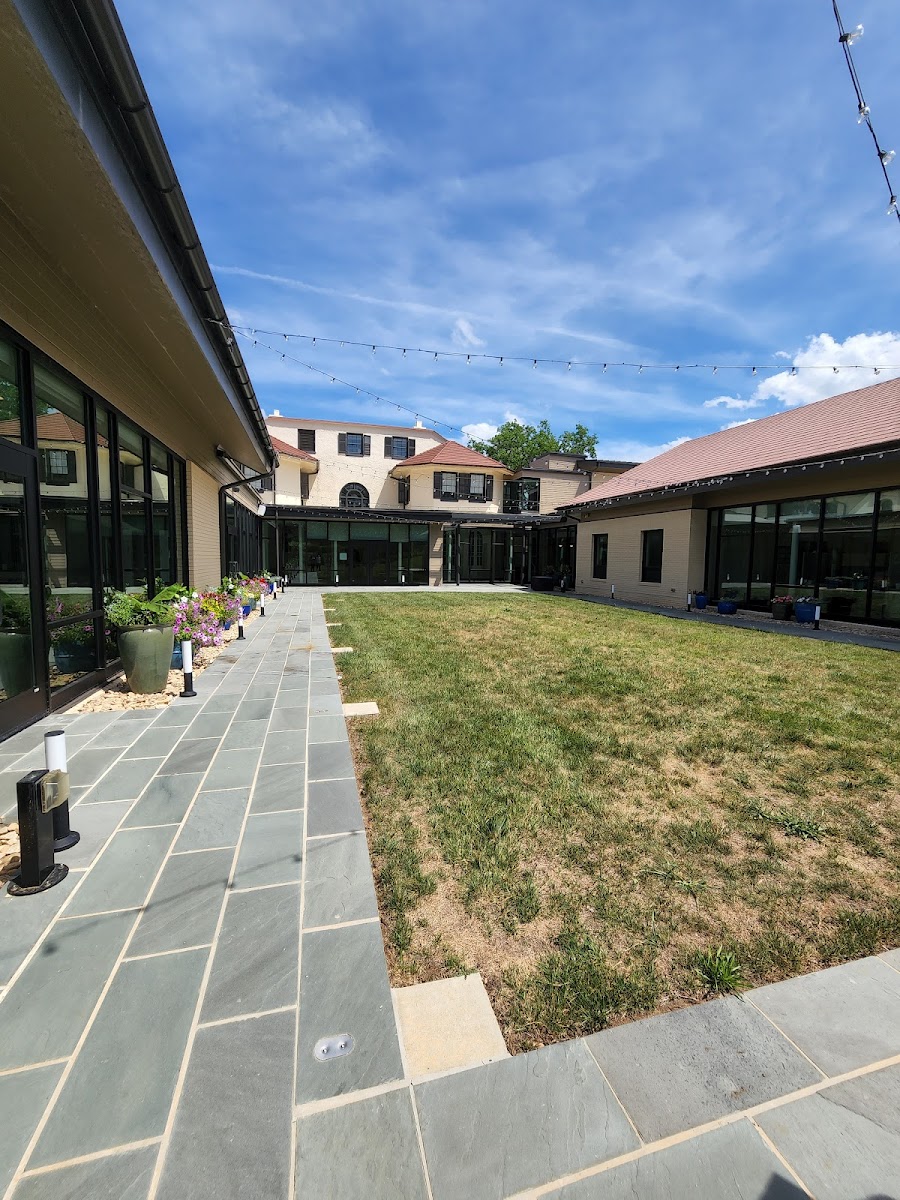
Designing for Maymont requires a landscape-first mindset where florals enhance rather than compete with the grand historic and botanical surroundings. The challenge here is not adding beauty to the space, but scaling your designs to hold their own against 100 acres of mature trees and Gilded Age architecture.
We know this venue well from our work here, and the most successful events leverage the specific “world” each garden creates. Whether you are in the manicured symmetry of the Italian Garden or the rugged stone environments of the Carriage House, your floral choices should reflect the immediate architecture.
The Spaces
Japanese Garden
This is a space defined by tranquility and specific cultural aesthetics. It is an intimate setting, best suited for smaller ceremonies or elopements.
- What works: Minimalist, intentional designs. A few well-placed ground installations at the entrance of the bridge or flanking the gazebo create a focal point without cluttering the natural serenity.
- Skip: Heavy, traditional arches that block the view of the waterfall or the bridge.
- Watch out: The terrain is uneven and can be soft; ensure any pedestals or structures have wide, stable bases.
- Budget hero move: Two lush, asymmetrical ground nests at the start of the bridge to frame your entrance.
Italian Garden
The Italian Garden is the height of formal elegance, featuring fountains, sculptures, and parterre beds. It is grand, symmetrical, and deeply romantic.
- What works: Classical, symmetrical arrangements. Urns on pedestals or aisle meadows that follow the lines of the manicured hedges feel like a natural extension of the estate.
- Skip: Wild, boho-style arrangements that clash with the rigid geometry of the space.
- Watch out: This area is highly exposed to the sun; choose hardy blooms that won’t wilt before the ceremony begins.
- Budget hero move: Focus all floral impact on the aisle. With the fountains in the background, you don’t need a massive altar structure.
The Carriage House
A blend of rustic and grand, this indoor space features high ceilings, exposed wooden beams, and historic stonework.
- What works: Verticality. Because the ceilings are so high, low centerpieces can feel dwarfed. Use tall, airy installations or floral pillars to draw the eye upward.
- Skip: Small, delicate bud vases as the only decor; they will disappear against the heavy stone walls.
- Watch out: Rigging points for hanging installations are restricted due to the historic nature of the building.
- Budget hero move: Large-scale greenery installations on the stone turrets or wrapping the interior beams.
Nature Center South Terrace
This modern, eco-friendly space offers a different vibe from the historic gardens, focusing on natural Virginia landscapes and expansive views.
- What works: Modern, textural designs using native-inspired greenery. Low-profile trough arrangements along the stone terrace railings add color without blocking the view.
- Skip: Overly formal, tight rose balls; this space calls for movement and airiness.
- Watch out: This is one of the windier spots on the property; everything must be weighted.
- Budget hero move: Repurpose ceremony ground pieces to line the terrace for the reception.
What Works at Maymont
- Landscape-first color palettes. Deep greens are permanent fixtures here. Use whites, creams, or high-contrast jewel tones to ensure your flowers don’t blend into the foliage.
- Strategic scaling. Small arrangements get lost in the rolling hills. If you have a limited budget, put it toward one or two massive “moment” pieces rather than many small ones.
- Textural greenery. Use the grey and tan tones of the historic stonework as a canvas for vines, smilax, and architectural branches.
- Weighted installations. The wind exposure on the open lawns and the South Terrace is significant. All arches and pedestals must be structurally sound and weighted.
- Repurposing plans. Because the property is vast, plan for the logistics of moving flowers from a garden ceremony to an indoor reception. Professional transport is a must here.
Budget Guide
| Tier | Investment | Floral Strategy |
|---|---|---|
| Essentials | $1,750 - $3,500 | Personal flowers plus a pair of high-impact focal pieces for the ceremony site. |
| Sweet Spot | $3,500 - $6,000 | Full ceremony setup (arch or meadows) and a mix of low and medium centerpieces for the reception. |
| Full Experience | $6,000 - $10,000 | Coordinated designs across two sites, including large-scale installations for the Carriage House and lush aisle treatments. |
| Statement | $10,000+ | Multi-site transformations, full-scale floral pillars, and high-density reception designs that match the estate’s grandeur. |
Maymont is a venue that provides its own atmosphere; your budget should be spent on accentuating the existing architectural “bones” rather than trying to mask them.
Tips
- Plan for the hike. The distance between the parking areas and sites like the Japanese Garden is significant; ensure your floral team has the carts and manpower to handle long-distance load-ins.
- Check the bloom schedule. Maymont’s own gardens change monthly; coordinate your color palette to complement what will naturally be in bloom (like the azaleas in spring or roses in summer).
- Respect the restrictions. No open flames, confetti, or sparklers are allowed; use high-quality LED candles and heavy glass vessels to comply with estate rules.
- Prioritize the “Flip.” If moving from the Italian Garden to the Carriage House, ensure your florist has a dedicated team for the transition to handle the distance efficiently.
- Use the stone. The Westover building’s stone facade is a world-class backdrop; flanking the entrance with large floral trees or pillars is the fastest way to signal a premium event.