
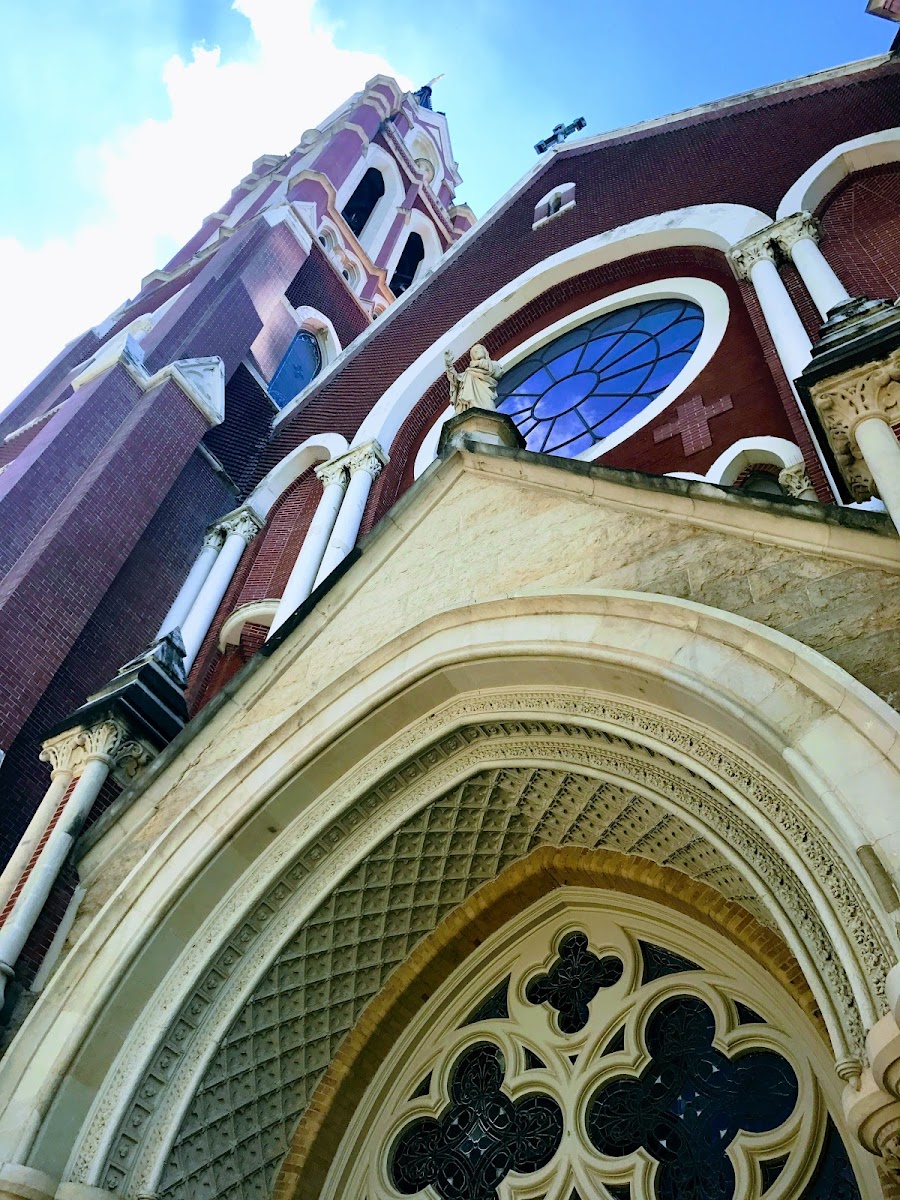
You approach from Ross Avenue, where the gleaming towers of downtown Dallas give way to the Arts District’s more measured grandeur. The street is lined with world-class cultural institutions — the Meyerson Symphony Center to your left, the Nasher Sculpture Center ahead — but the Arts District Mansion announces itself differently. First, you notice the historic facade: warm brick and elegant architectural detail from the late 19th century, a building that has survived oil booms and urban renewal to stand proudly in the heart of Texas’s most ambitious arts quarter. Then, as you move through the entry, the space opens into something unexpected: the soaring, light-filled Pavilion Ballroom with its 17-foot barrel vault ceiling, a marriage of historic preservation and contemporary design that feels both timeless and utterly now. This is not a venue that asks you to choose between old-world romance and modern glamour. It offers both, side by side, in 7,000 square feet of ballroom and a warren of intimate mansion rooms that still smell faintly of aged wood and stories. Poppy has worked with couples drawn to the Arts District Mansion’s duality — the ability to host a ceremony flooded with natural light beneath alabaster chandeliers, then move guests into candlelit mansion parlors for dinner. It is a venue that rewards bold choices and careful curation in equal measure.
About Arts District Mansion
The Arts District Mansion’s history is woven into the fabric of downtown Dallas. Built in the late 1800s, the mansion served as a private residence before being meticulously restored and reimagined as a premier event space. Today, it is owned and operated by the Dallas Bar Association, which means two things for couples planning weddings here: first, the building has been maintained to exacting standards, with every architectural detail carefully preserved; second, there are strict alcohol policies in place (no shots, limited service hours) that reflect the venue’s professional stewardship. The mansion’s restoration honored its original character — vaulted ceilings, crown molding, fireplaces, and hardwood floors — while adding modern infrastructure and climate control that make it practical for year-round events in the Texas heat.
Adjacent to the historic mansion is the Pavilion Ballroom, a modern addition that respects the mansion’s proportions while introducing dramatic architectural elements of its own. The Pavilion’s pièce de résistance is its 17-foot barrel vault ceiling, adorned with multiple alabaster chandeliers and sconces that cast a soft, flattering glow across the 7,000-square-foot space. Floor-to-ceiling windows on one side fill the room with natural light during daytime events, and state-of-the-art blackout panels allow for complete control of ambiance once the sun sets. The ballroom can be divided into four sections, making it adaptable for weddings ranging from 150 to 400 seated guests. A 24x24 wooden dance floor is included, as are gold banquet chairs, white china, glassware, silverware, and 20 gold cocktail lamps — a thoughtful baseline that allows couples to focus their design budget on statement pieces rather than basics.
The wraparound pre-function gallery connects the Pavilion to the mansion’s historic rooms and opens onto a terrace with views of the Meyerson Symphony Center. This terrace is one of the venue’s quiet gems: a place for ceremony seating, cocktail hour mingling, or simply a breath of fresh air between dancing and dessert, all framed by the iconic silhouette of I.M. Pei’s architectural masterpiece next door.
Logistically, the Arts District Mansion is remarkably accessible. It sits on Ross Avenue in the heart of downtown Dallas, within walking distance of hotels, restaurants, and DART light rail stations. Street parking and valet services are available, and for florists, load-in is straightforward with advance coordination through the venue’s event team. Poppy’s Dallas delivery crews appreciate the venue’s accommodating approach to vendor timelines: items can be dropped off and stored days in advance, which is invaluable when executing complex installations like ceiling garlands or multi-room floral displays. The venue requires certificates of insurance from all vendors, standard practice for high-end Dallas event spaces.
Catering is handled exclusively by Culinaire International, with food and beverage minimums that range from $10,000 to $35,000+ depending on guest count and selected amenities. The in-house team coordinates vendor access and provides a level of logistical support that makes the planning process feel less like wrangling a dozen independent contractors and more like collaborating with a single, cohesive team. For florists, this means clear communication, realistic timelines, and a venue staff that understands how to protect both floral installations and historic architecture.
Event Spaces & Floral Opportunities
Pavilion Ballroom
Capacity: 320 seated | 400+ standing (divisible into four sections)
Setting: The Pavilion Ballroom is a study in vertical drama. That 17-foot barrel vault ceiling pulls your eye upward the moment you enter, a sweeping architectural gesture punctuated by clusters of alabaster chandeliers that glow like softly lit moons. The space is defined by clean, modern lines — no fussy molding or ornate detail to compete with floral design — but the warmth comes from the light. During the day, floor-to-ceiling windows bathe the room in Texas sunshine, illuminating every petal and leaf with crystalline clarity. At night, the blackout panels transform the space into a more intimate, moody setting where candlelight and uplighting take center stage. The 24x24 wooden dance floor sits ready for first dances, and the included gold banquet chairs and cocktail lamps provide a neutral, elegant foundation. This is a room that can accommodate nearly any aesthetic, from minimalist modern to lush maximalist garden.
Floral approach: The Pavilion Ballroom begs for drama at multiple heights. The most striking floral opportunity here is suspended installations that engage with that soaring ceiling. Imagine a 30-foot garland of smilax, Italian ruscus, and maidenhair fern running the length of the ballroom, punctuated every six feet with clusters of Quicksand roses, white phalaenopsis orchids, and trailing jasmine vine, all appearing to float in midair above the guest tables. The alabaster chandeliers can be enhanced — carefully, and with venue approval — with delicate greenery collars or minimal floral accents that read as jewelry rather than decoration. On the tables themselves, consider either dramatically tall arrangements (30+ inches) on clear acrylic risers that lift blooms above conversation level, or ultra-low compote arrangements (under 12 inches) in gold or crystal vessels that echo the included cocktail lamps. For a ceremony in this space, a substantial arch or chuppah is warranted: construct a base of curly willow branches or architectural metal framework, then cover it with a mix of white hydrangea, ivory garden roses (Patience, Ivory Tower), blush ranunculus, and cascading amaranthus for movement. The wraparound gallery provides ideal real estate for welcome arrangements flanking the entry — think large-scale urns overflowing with seasonal blooms and textured greenery that announce the celebration before guests even enter the main ballroom. The natural light is your friend here during daytime events: colors will photograph true and vibrant, so don’t shy away from saturated hues like coral charm peonies, hot pink garden roses (Piano, Free Spirit), or deep burgundy dahlias (Rip City).
Historic Mansion
Capacity: 130 seated | 200 standing (distributed across Bar, Study, Family Dining Room, Music Room)
Setting: The mansion’s rooms unfold like chapters in a carefully curated book. Each space retains its 19th-century bones — vaulted ceilings, original fireplaces with carved mantels, hardwood floors that creak gently underfoot. The Bar is dark and intimate, with built-in shelving and a wet bar. The Study feels like somewhere a literary wedding should happen, all warm wood tones and quiet corners. The Family Dining Room and Music Room have taller ceilings and larger footprints, accommodating seated dinners or cocktail clusters with ease. The palette throughout is neutral — cream walls, dark wood trim, brass fixtures — which allows florals to set the mood entirely. The mansion can function as a standalone venue for smaller weddings (115-140 seated) or as a cocktail/rehearsal dinner space when the full venue is rented.
Floral approach: The historic mansion rewards a more intimate, detailed approach to florals. This is the place for mantlepiece installations that spill over with seasonal abundance: in autumn, a mix of café au lait dahlias, Juliet garden roses, burgundy astilbe, chocolate cosmos, and gold-leafed oak branches arranged asymmetrically across the Study’s fireplace mantel. In spring, a similar treatment with white lilac, blush peonies, ivory ranunculus, and trailing scented geranium. Each room should receive its own floral moment, even if modest in scale — a cluster of bud vases on the bar filled with single stems of garden roses and eucalyptus, a larger arrangement on the central dining table featuring a mix of hydrangea, lisianthus, and spray roses in a brass compote. The vaulted ceilings allow for taller arrangements (20-24 inches) without overwhelming the space, but keep proportions appropriate to the room size. For couples hosting a seated dinner in the mansion, low centerpieces (8-10 inches) encourage conversation across tables while maintaining visual interest: try garden roses (Keira, Juliet, Quicksand), ranunculus, scabiosa, and spirea in vintage brass or mercury glass vessels. The mansion’s historic character pairs beautifully with classic flower varieties and traditional design techniques — think European hand-tied bouquets, formal symmetry, and a focus on timeless elegance rather than trendy statements. Don’t neglect the small moments: bud vases on restroom vanities, a petite arrangement near the guest book, a garland trailing up the historic staircase railing.
Combined Venue (Full Buyout)
Capacity: 400 seated | 1,000 standing
Setting: A full venue buyout unlocks the Arts District Mansion’s greatest asset: spatial variety. You can design a wedding that moves through distinct emotional chapters, each with its own atmosphere and floral story. Ceremony in the Pavilion Ballroom with guests seated theater-style facing the windows and city views. Cocktail hour in the wraparound gallery and historic mansion rooms, with guests exploring different spaces, each offering a unique vignette. Dinner back in the Pavilion, now transformed with uplighting, candlelight, and dinner tables where ceremony chairs once stood. Late-night dancing in the Pavilion while a lounge area in the mansion offers refuge for conversation. The terrace provides outdoor breathing room, particularly valuable during temperate months.
Floral approach: With a full buyout, think of your Arts District Mansion wedding flowers as a cohesive installation that guides guests through the venue. Establish a signature floral element — perhaps a specific garden rose variety or a distinctive color palette — that appears in every space, creating visual continuity. In the Pavilion, execute your most dramatic installations: the suspended ceiling garland, tall centerpieces, a substantial ceremony structure. In the mansion rooms, dial down the scale but maintain the same floral vocabulary: smaller arrangements featuring the same roses, the same foliage, the same color story. The wraparound gallery becomes a transitional zone where florals can bridge the two aesthetics — perhaps elevated arrangements on pedestals that are visible from both the Pavilion and mansion entrances. The terrace deserves attention too: flank the doorway with large-scale planters filled with seasonal blooms and greenery, and if weather permits, consider a lounge area with low cocktail tables surrounded by floral arrangements that complement the urban skyline backdrop. For a full buyout with 300+ guests, budget should accommodate: a substantial ceremony installation, 30-40 reception centerpieces, 6-8 cocktail arrangements distributed throughout the mansion and gallery, 2-4 bar arrangements, 1-2 large-scale welcome pieces, and a suspended installation or chandelier enhancement in the Pavilion. The gold cocktail lamps provided by the venue can be surrounded by low, lush arrangements (6-8 inches tall) on cocktail tables — think garden roses, spray roses, and trailing ivy in gold compote dishes that echo the lamp’s finish.
Wedding Flower Ideas for Arts District Mansion
Museum Modern
This concept takes inspiration from the venue’s Arts District location and the clean lines of the Pavilion Ballroom. The palette is architectural: pure white, deep green, and touches of matte black for definition. Flowers include white phalaenopsis orchids (with their sculptural form), white calla lilies, white anemones (with their dramatic black centers), white tulips in season, white ranunculus, and white garden roses (Patience, Playa Blanca). Foliage is equally refined: maidenhair fern for delicacy, Italian ruscus for structure, and monstera leaves for bold graphic impact. Vessels are sleek and modern: matte black cylindrical vases, clear glass cubes, brushed brass geometric containers. Centerpieces might feature a cluster of three varying-height arrangements grouped asymmetrically, or a single low, densely packed dome of white blooms in a wide, shallow vessel. For the ceremony, construct a minimalist arch using black-painted steel framework and dress it sparsely with white phalaenopsis stems and trailing smilax, allowing negative space to be part of the design. This aesthetic is particularly stunning for evening events when uplighting can add color to the neutral palette, and it photographs beautifully against both the historic mansion’s warm wood tones and the Pavilion’s contemporary architecture.
Southern Garden Romance
This design leans into Texas’s proximity to the American South with a palette that feels lush, romantic, and slightly overgrown in the best possible way. Colors are soft and blushing: ivory, blush pink, peach, champagne, with touches of dusty lavender and plenty of green. Flowers include garden roses in profusion (Juliet, Keira, Patience, Romantic Antike, Quicksand, Cappuccino), peonies when seasonally available (coral charm, duchess de nemours, Sarah Bernhardt), ranunculus, sweet peas for fragrance and delicacy, spray roses (Majolica, Mimi Eden), lisianthus, astilbe, and scabiosa. Foliage brings texture: seeded eucalyptus, silver dollar eucalyptus, jasmine vine, smilax, and wispy maidenhair fern. Vessels are romantic and varied: vintage brass compotes, mercury glass, cream ceramic, and weathered stone urns. Centerpieces are lush and asymmetrical, appearing as if gathered from an English cutting garden, with blooms at varying heights and plenty of movement. For the mansion’s fireplace mantels, create sweeping asymmetrical installations that drape over one side and trail down, mixing flowers with abundant greenery and allowing some stems to appear to tumble naturally. This style suits both the historic mansion (where it feels perfectly at home) and the Pavilion (where it softens the modern architecture). It’s particularly lovely for spring and early summer weddings when peonies and garden roses are at their peak, and it pairs beautifully with romantic details like silk ribbon, handwritten calligraphy, and candlelight.
Bold Jewel Tones
For couples who want their Arts District Mansion wedding flowers to make an unapologetic statement, this concept embraces saturated color and dramatic contrast. The palette draws from jewel tones: deep burgundy, rich plum, burnt orange, fuchsia, with touches of navy and gold. Flowers include burgundy dahlias (Rip City, Black Satin), dark purple calla lilies, hot pink garden roses (Piano, Free Spirit), orange ranunculus, deep red peonies (Red Charm), burgundy hellebores, burgundy scabiosa, chocolate cosmos, and hanging amaranthus in wine-red. Foliage provides contrast: dark privet leaves, burgundy-tinged cotinus, copper beech branches, and deep green magnolia. Vessels are dramatic: aged brass urns, matte black compotes, dark bronze containers, or even unexpected choices like deep navy ceramic. Centerpieces are dense and luxurious, with blooms packed tightly together and little negative space visible. For the Pavilion’s suspended installation, weave together smilax base with clusters of deep burgundy blooms creating dramatic focal points every few feet. This palette is particularly stunning for fall and winter weddings when darker blooms are seasonally available and the mood feels rich and intimate. It photographs dramatically under the Pavilion’s evening lighting, where uplighting in amber or gold can enhance the warmth of these saturated colors. The contrast between these bold florals and the venue’s neutral architecture creates visual impact that feels both sophisticated and daring.
Seasonal Considerations
Dallas sits in USDA Zone 8a, which means hot, humid summers and mild winters with occasional freezes. Each season brings distinct challenges and opportunities for wedding flowers.
Spring (March-May): Spring is peak wedding season in Dallas, and for good reason. Temperatures are pleasant (60s-80s), humidity is manageable, and flower availability is extraordinary. This is Texas bluebonnet season, though incorporating wildflowers into wedding work requires advance planning with specialty growers. Peonies arrive in April and May — order early, as demand is high and the season is brief. Ranunculus, anemones, sweet peas, and tulips are abundant and affordable. Garden roses begin their first flush in late April. Spring weather can be unpredictable (thunderstorms, pollen), so if you’re planning terrace ceremony seating, have a backup plan. For Arts District Mansion spring weddings, lean into the abundance: lush centerpieces, generous garlands, and colors that feel fresh and optimistic. Late spring heat can arrive suddenly in May, so for outdoor cocktail hours, choose hardier blooms like roses and avoid delicate flowers that wilt quickly.
Summer (June-August): Dallas summers are not for the faint of heart. Temperatures regularly exceed 95°F with high humidity, and heat waves above 100°F are common. This is not the season for peonies, sweet peas, or ranunculus. Summer weddings at Arts District Mansion benefit from the venue’s climate-controlled interiors — lean into that advantage by keeping ceremony and cocktail hour inside or on the covered terrace. Hardy summer blooms include roses (always), hydrangea, lisianthus, gladiolus, sunflowers, zinnias, celosia, and tropical options like orchids, anthuriums, and ginger. Avoid anything delicate or heat-sensitive. For summer bouquets and boutonnieres that will spend time outdoors during photos, consider waterproofing techniques: orchid tubes for boutonniere stems, water-saturated bouquet holders, and choosing blooms that can withstand 30-45 minutes in direct sun without visibly wilting. Color-wise, summer allows for vibrant, saturated palettes that feel appropriate to the season — coral, hot pink, bright white, sunny yellow. Keep fresh florals inside the air-conditioned spaces as much as possible, and time your ceremony for evening when temperatures drop slightly.
Fall (September-November): Fall is Dallas’s second prime wedding season. September can still be quite hot (low 90s), but by October and November, temperatures settle into the comfortable 60s-70s range. This is dahlia season, with local growers producing spectacular blooms in every color imaginable. Fall also brings the second flush of garden roses, café au lait dahlias, chocolate cosmos, and beautiful foliage options like bronze oak leaves and burgundy-tinged cotinus. Chrysanthemums are abundant and affordable, though they can read as “homecoming mum” if not styled carefully — use them as filler rather than focal flowers, or opt for sophisticated varieties like button mums and fuji mums. Fall colors are rich and warm: burgundy, burnt orange, rust, caramel, gold, deep plum. The terrace becomes usable again for cocktail hours and ceremony seating as temperatures drop. For Arts District Mansion fall weddings, embrace the season’s inherent richness with abundant texture, warm tones, and lush installations that feel celebratory and harvest-inspired.
Winter (December-February): Dallas winters are mild by northern standards but can surprise with occasional freezes and ice storms. Daytime temperatures typically range from 40s-60s, with occasional warmer or colder days. Winter wedding flower availability includes amaryllis (spectacular as focal flowers in large arrangements), anemones, ranunculus (returning after summer hiatus), hellebores, evergreen foliage, magnolia branches, and hothouse roses. Peonies are not available domestically, but high-end importers can source them from South America at premium prices. Winter is an excellent time for dramatic greenery installations: magnolia leaf garlands, mixed evergreen arrangements with pine, cedar, and fir, and amaryllis-centered designs that feel festive without being explicitly holiday-themed. For December weddings, be mindful of the line between elegant winter celebration and Christmas party — unless that’s specifically your goal, keep holiday-specific elements (red/green color schemes, poinsettias, Christmas ornaments) out of the design. Candlelight becomes especially important in winter when evenings darken early; the Pavilion’s alabaster chandeliers and supplemental candlelight create a warm, intimate atmosphere that’s perfect for the season.
Poppy’s Expert Take
The ceiling is your canvas. That 17-foot barrel vault in the Pavilion Ballroom is the venue’s single greatest floral opportunity, and most couples underutilize it. A suspended floral installation — whether a full-length garland, clustered cloud-like arrangements, or a dramatic statement piece above the dance floor or head table — transforms the space in a way that ground-level florals simply cannot. Work with your florist and the venue to understand weight restrictions and hanging options. The venue has protocols for protecting the ceiling and chandeliers, so transparency and advance planning are essential. Budget $2,500-$5,000 for a substantial suspended installation, and know that it will be the single most photographed floral element at your wedding.
Divide and conquer the mansion spaces. If you’re using the historic mansion for cocktail hour or dinner, resist the urge to treat all the rooms identically. Each space has its own character — the dark, intimate Bar; the formal Family Dining Room; the cozy Study. Design floral moments that enhance each room’s personality rather than flattening everything into uniformity. A dramatic fireplace arrangement in one room, a collection of varied-height candlesticks and bud vases in another, a single showstopping arrangement on the central table in a third. This approach creates discovery and variety for guests exploring the space, and it’s actually more budget-efficient than trying to fill every surface everywhere.
Daytime versus evening are two different venues. The Pavilion Ballroom transforms dramatically between day and night. During the day, those floor-to-ceiling windows flood the space with natural light that makes colors pop and photography effortless. At night, with blackout panels engaged, the space becomes moodier and more intimate, relying on the alabaster chandeliers, uplighting, and candlelight. If you’re planning an evening reception, design your florals accordingly: colors that might feel too dark or saturated in daylight (burgundy, deep purple, navy) photograph beautifully under warm artificial light. Conversely, if you’re hosting a daytime event, lean into the natural light with fresh, vibrant colors that make the most of those windows.
Mind the mansion’s alcohol restrictions. Because the venue is owned by the Dallas Bar Association, there are strict alcohol policies: no shots, limited service hours, and specific regulations around open bar service. While this doesn’t directly affect florals, it does impact the overall timeline and energy of the evening. Without a late-night shot situation, receptions here tend to be slightly more formal and controlled. Design your florals to match that energy — sophisticated, elegant, refined — rather than planning for a raucous dance-til-dawn party atmosphere that may not materialize. The tradeoff is that guests tend to remember the details (including your beautiful flowers) rather than just the bar.
Plan for the gallery as a transitional space. The wraparound pre-function gallery is the connective tissue between the Pavilion and the mansion, and it’s often overlooked in floral planning. This is prime real estate for welcome arrangements, ceremony florals that can be repositioned during cocktail hour, or elevated pedestal arrangements that create impact as guests flow between spaces. Because it’s visible from multiple vantage points, anything you place here works double duty. A pair of large-scale urns flanking the Pavilion entrance will be seen by every guest, photographed constantly, and serve as a visual anchor for the entire event. Budget for this space accordingly.
Leverage the venue’s included items strategically. The Arts District Mansion includes gold banquet chairs, 20 gold cocktail lamps, white china, and a wooden dance floor in every rental. These are high-quality items with a warm, elegant aesthetic. Rather than fighting against them, design your florals to complement them. Gold compote vessels echo the cocktail lamps. Low arrangements on cocktail tables can surround the lamps rather than replacing them. The gold chairs pair beautifully with warm-toned florals (peach, champagne, burgundy) and look elevated with the addition of simple silk ribbon chair ties or greenery garlands along the head table. You’re already getting substantial decor value from what’s included — use your floral budget for statement pieces rather than trying to overhaul the venue’s existing aesthetic.
Coordinate with your photographer on the Meyerson views. The terrace overlooking the Meyerson Symphony Center is an iconic Dallas backdrop that photographers love. If you’re planning terrace cocktail hour arrangements or ceremony seating, talk to your photographer about sightlines. You want florals that enhance the space without blocking those architectural views. Low cocktail table arrangements, elevated pedestal pieces that frame rather than obstruct, or a ceremony arch positioned to complement the skyline rather than compete with it. This is a detail that seems obvious in retrospect but gets missed during planning when you’re looking at floral mock-ups in isolation.
What Poppy Couples Spend on Flowers Here
While Poppy doesn’t yet have booking data specific to Arts District Mansion, our experience with comparable Dallas venues and the Arts District Mansion’s particular opportunities suggests these ranges:
$6,000 - $10,000 | The Essentials
This budget covers a beautiful wedding focused primarily on one space — either the Pavilion Ballroom or the historic mansion. For a Pavilion-focused event with 120-180 guests, expect: bridal bouquet, 4-5 bridesmaid bouquets, boutonnieres for the wedding party, a ceremony installation (arch or altar arrangement), 15-20 reception centerpieces alternating between high and low styles, 2-3 bar or cocktail area arrangements, and 1-2 large welcome pieces. Centerpieces would be designed in the $150-200 range — lush but not extravagant, featuring a mix of focal flowers (roses, lisianthus, hydrangea) with seasonal filler and greenery in included gold vessels or simple glass. The ceremony installation might be a substantial arch covered in greenery with strategic floral clusters rather than fully covered in blooms. At this level, you’re making smart choices about where to splurge (bridal bouquet, ceremony focal point, head table area) and where to keep things simple (cocktail hour, bathroom arrangements). The result is polished and complete without feeling sparse.
$10,000 - $18,000 | The Full Picture
This budget allows you to fully execute the dual-space experience of a full venue buyout with 200-280 guests. Expect everything from the Essentials tier, plus: a suspended ceiling installation or chandelier enhancement in the Pavilion (30-foot garland or clustered cloud arrangements), 25-35 reception centerpieces with more generous sizing and premium blooms (garden roses, dahlias, premium foliage), fireplace mantel installations in 2-3 mansion rooms, 5-6 cocktail arrangements distributed throughout the mansion and gallery spaces, elevated pedestal arrangements for the wraparound gallery, terrace arrangements if using that space for ceremony or cocktails, and upgraded personal flowers for the couple (oversized bridal bouquet, boutonniere with premium blooms). Centerpieces in this range are $250-400 each, allowing for larger scale, better flower quality, and more complex design. You can incorporate seasonal specialties like peonies in spring or café au lait dahlias in fall. The suspended installation is the game-changer at this budget level — it’s what transforms the Pavilion from a beautiful room to an immersive floral experience. This is the sweet spot for couples who want the venue to feel thoroughly floraled without every surface being covered.
$18,000+ | The Full Experience
At this level, you’re creating a comprehensive floral installation throughout the entire Arts District Mansion. Expect: a major suspended installation in the Pavilion (possibly multiple elements — ceiling garland, floral chandelier above dance floor, and floral clouds above the head table), 35-45+ reception centerpieces with varied heights and premium design, ceremony installation that’s fully floraled (not just greenery base), fireplace and mantel installations in every mansion room, substantial arrangements on every bar and cocktail surface, staircase garland, restroom florals, enhanced personal flowers (trailing bouquet, flower crown, premium boutonnieres), and potentially specialty items like a floral photo backdrop or lounge area installation. Centerpieces are $400-600+ each, featuring premium blooms in abundance (all garden roses, no filler), oversized scale, and complex design techniques. The venue becomes a floral environment rather than a venue with floral accents. This budget allows for maximum seasonal flexibility — you can have p