
You take Corporate Drive expecting nothing. Office parks and chain restaurants, the usual Dallas suburban sprawl north of the airport. Then you pull into 2701 and the context shifts. There, set back from the parking lot like an improbable secret, stands a chapel that could have been lifted from the Loire Valley — vaulted ceilings visible through tall windows, cream stone façade, a scale and formality that announces itself as something other than corporate. This is Aristide, formerly Le Beaux Chateau, and the surprise of finding it here, in Flower Mound, is part of its charm. Step through the doors and the illusion is complete: crystal chandeliers catch afternoon light through arched windows, polished wood pews line a central aisle that leads to a raised altar, and the entire space feels consecrated, hushed, purposeful. The reception hall continues the European narrative with coffered ceilings, a built-in bar that wouldn’t look out of place in a Tuscan villa, and a wall of windows that floods the room with Texas sunlight. Outside, a landscaped patio with water features and a white gazebo offers a quiet counterpoint to the grandeur inside. It is a venue that exists in deliberate contrast to its surroundings — a pocket of old-world romance in the heart of DFW suburbia. Poppy has not yet designed Aristide | Flower Mound wedding flowers here, but we know these spaces well enough to understand what they ask for: restraint, elegance, and florals that honor the architecture without trying to compete with it.
About Aristide | Flower Mound
Aristide began its life as Le Beaux Chateau, and though the name has changed, the European sensibility remains. The venue occupies a single building on Corporate Drive in Flower Mound, a northern suburb of Dallas roughly equidistant from the city center and DFW International Airport — about 25 minutes to either, depending on traffic. The surrounding area is residential and commercial, but the property itself reads as an estate, with careful landscaping, stone accents, and architectural details that evoke southern France or northern Italy. This is not a working vineyard or a historic mansion repurposed for events. It is a purpose-built wedding venue designed to look like something much older, and it succeeds because the details are right: the chapel’s vaulted ceilings are genuinely impressive, the chandeliers are substantial crystal rather than cheap replicas, and the craftsmanship throughout — from the coffered ceilings in the reception hall to the polished wood pews — feels considered and intentional.
The venue operates as a full-service property under the Walters Wedding Estates portfolio, which means couples work with an in-house coordination team and use the venue’s preferred catering and bar service. The advantage here is logistical simplicity: one point of contact, one vendor ecosystem, minimal coordination headaches. The disadvantage, for couples who prize creative control, is less flexibility. Florists are not restricted to a preferred list, which is good news for Poppy and any other Flower Mound wedding florist willing to make the drive. The venue’s coordination team is professional and communicative about load-in schedules, setup timelines, and vendor access, and there is ample parking for delivery vehicles near the main entrance.
Capacity maxes out at 160 guests for both ceremony and reception, making Aristide a mid-sized venue by Dallas standards — large enough to accommodate extended families and full guest lists, intimate enough that the spaces don’t feel cavernous. The chapel and reception hall are entirely climate-controlled, which matters significantly in a state where summer temperatures routinely crest 100 degrees. The outdoor patio is lovely for cocktail hour during temperate months (late March through May, October through November), but summer and winter events typically keep guests inside, where the architecture and ambiance do the heavy lifting.
For couples flying in family from out of state, the proximity to DFW Airport is a legitimate selling point. There are hotels within a ten-minute drive in Lewisville and Highland Village, and the venue itself offers two dedicated wedding suites for day-of preparation, which means the wedding party can arrive, get ready, marry, celebrate, and depart without ever leaving the property. It is the kind of logistical convenience that reduces stress and allows everyone to stay present.
Event Spaces & Floral Opportunities
Chapel
Capacity: 160 seated
Setting: The chapel is the undeniable centerpiece of Aristide, and for good reason. High vaulted ceilings soar above polished wood pews arranged in traditional rows along a central aisle. Crystal chandeliers — three substantial fixtures, not token accent pieces — hang at intervals, refracting light and adding a sense of occasion. The altar is raised on a platform, creating a natural focal point and ensuring sightlines from every pew. Exposed beams, arched windows, and warm cream walls give the space a softness that balances the formality. It is a chapel that feels genuinely sacred without being denominationally specific, which makes it work for religious ceremonies, secular celebrations, and everything in between. Natural light pours through the windows during daytime ceremonies, and the chandeliers provide warm ambient lighting for evening vows.
Floral approach: The altar is your hero moment. A raised platform with generous depth allows for substantial floral installations that frame the couple without crowding them. We favor symmetrical arrangements on tall pedestals flanking each side of the altar — lush, architectural compositions in silver or bronze urns using Patience garden roses, white lisianthus, blush stock, and trailing jasmine vine or smilax. The key is height: arrangements should begin at least 48 inches and cascade upward to 6 or 7 feet, drawing the eye up toward those vaulted ceilings. For the aisle, pew markers work beautifully — small clusters of blooms and greenery (seeded eucalyptus, spray roses, wax flower) tied with silk ribbon and affixed to alternating pews, or a simple garland of Italian ruscus with accent blooms tucked at intervals. The chandeliers present an opportunity for hanging installations, though access and rigging require advance coordination with the venue. A circular floral chandelier — constructed on a wire frame with smilax, orchids, and trailing amaranthus — suspended from the central fixture creates drama without blocking sightlines. Avoid overworking the aisle itself with ground-level installations like rose petals or candles; the polished wood floor and pews provide their own elegance, and a clean, uncluttered aisle photographs better and allows the bride’s entrance to be the focal point.
Reception Hall / Ballroom
Capacity: 160 seated
Setting: The reception hall at Aristide is a study in architectural restraint. Coffered ceilings add dimension and visual interest without overwhelming the space. Romantic chandeliers hang at intervals, providing soft ambient lighting that flatters skin tones and makes everyone look good in photos. A built-in bar anchors one end of the room, its dark wood and classic proportions suggesting a European café. The opposite wall is dominated by windows — floor-to-ceiling glass that floods the space with natural light during daytime receptions and reflects candlelight beautifully in the evening. The floors are polished, the walls are neutral cream, and the overall effect is elegant without being fussy. This is a room that can accommodate a wide range of design aesthetics, from classic ballroom elegance to modern minimalism, because the bones are strong and the palette is neutral.
Floral approach: Centerpieces are your primary floral investment in this room, and the coffered ceilings give you permission to go tall. Elevated arrangements on 30- or 36-inch gold or acrylic stands lift florals above table conversation while creating vertical drama that complements the ceiling architecture. Use a mix of heights — tall arrangements on half the tables, low lush compotes on the others — to create rhythm and visual interest across the room. For tall arrangements, consider cascading designs with Juliet garden roses, white hydrangeas, blush ranunculus, scabiosa, and trailing amaranthus or jasmine vine, all arranged in a loose, organic style that feels romantic rather than stiff. For low centerpieces, work in aged brass or ceramic vessels filled with a lush, garden-inspired mix of Quicksand roses, white lisianthus, cream stock, seeded eucalyptus, and delicate astilbe. The built-in bar is an opportunity often overlooked: a substantial garland running the length of the bar top — smilax base with clusters of spray roses, hypericum berries, and seasonal blooms — transforms the bar into a focal point during cocktail hour and provides a stunning backdrop for signature drink photos. The window wall requires no floral intervention; let the natural light do its work. If the couple is using a sweetheart table or head table, position it near the windows and flank it with large-scale arrangements on the floor — overflowing urns that echo the altar arrangements in the chapel, creating visual continuity between ceremony and reception.
Primary Wedding Suite
Setting: A spacious, well-lit preparation room with a makeup counter, vanity lighting, and a private restroom. This is where the bride and bridesmaids spend the morning, and the space is designed for both function and photography. Large mirrors, ample counter space, and comfortable seating make it easy to coordinate hair, makeup, and dressing, while neutral décor ensures the room doesn’t compete with the bride’s details in getting-ready photos.
Floral approach: One or two arrangements are sufficient here, placed strategically for both beauty and function. A small, elegant arrangement on the makeup counter — Quicksand or Cafe au Lait roses, white ranunculus, delicate sweet peas in a low ceramic or marble vessel — adds a touch of luxury without taking up precious counter real estate. This arrangement will inevitably appear in detail shots of the rings, earrings, perfume bottles, and invitation suite. If there is a separate lounge area or coffee table, a second arrangement in a similar style reinforces the floral palette and makes the space feel considered. Avoid heavily scented blooms like stargazer lilies or hyacinths in this enclosed space; stick to roses, ranunculus, and lisianthus, which are beautiful but won’t overwhelm.
Secondary Wedding Suite
Setting: A smaller preparation space intended for the groom and groomsmen, typically with less emphasis on mirrors and vanity seating and more focus on comfortable lounge furniture and a place to hang suits.
Floral approach: Keep it simple and masculine. A single arrangement on a side table or coffee table — textured greenery (eucalyptus, Italian ruscus, leather leaf) with a few structural blooms like white or cream roses, green trick dianthus, or even succulents in a low brass or wooden vessel — adds a thoughtful touch without reading as overly decorative. Boutonnieres will be delivered here for pinning, so the arrangement serves double duty as décor and a visual anchor for boutonniere detail shots.
Outdoor Patio
Capacity: Flexible for cocktail hour or casual ceremonies
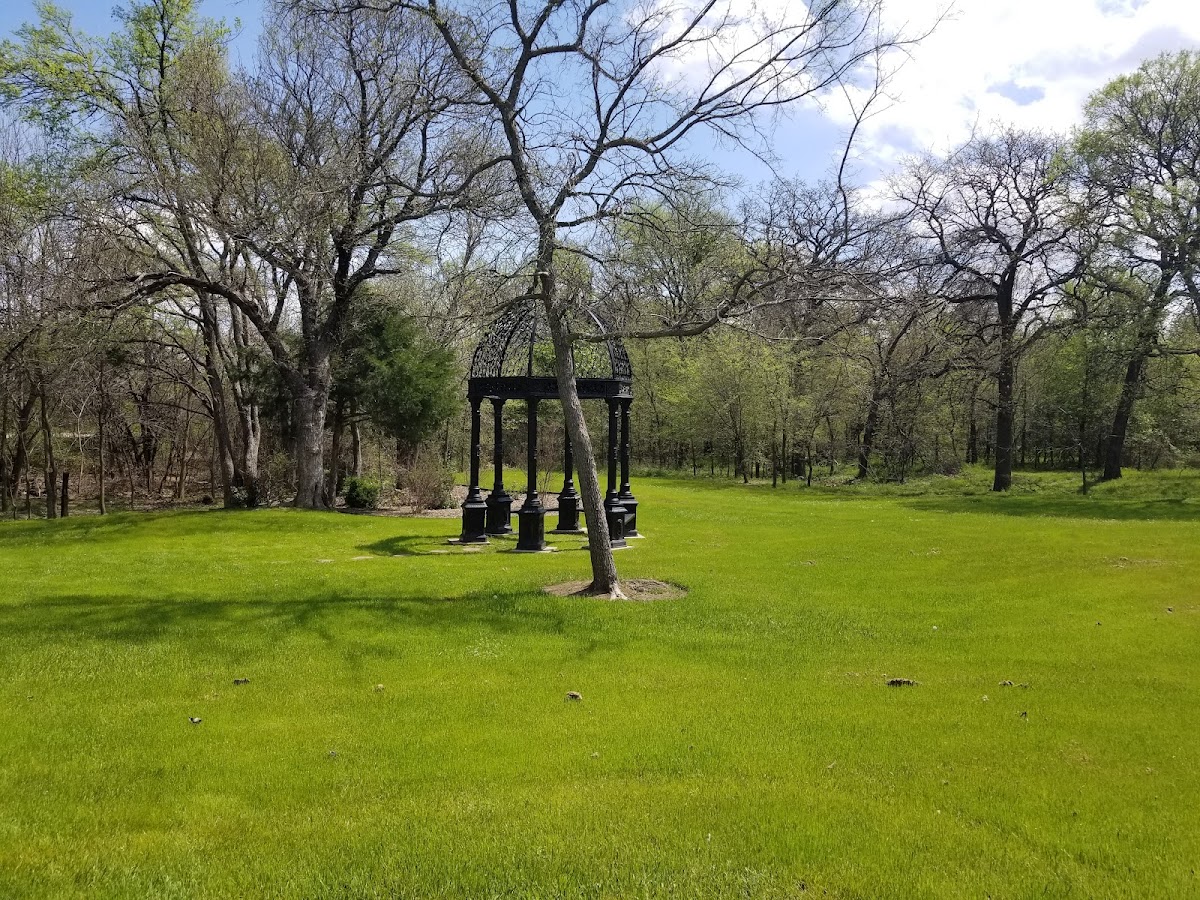
Setting: The outdoor patio at Aristide is a landscaped garden space with mature trees, vibrant seasonal plantings, water features including small fountains, and a white gazebo as the centerpiece. The patio connects to the reception hall via French doors, making it an easy transition space for cocktail hour. The water features create gentle ambient sound, and the gazebo offers a ready-made structure for outdoor ceremonies or photos. The landscaping is intentionally lush, with flowering shrubs, ornamental grasses, and shade trees providing a verdant backdrop.
Floral approach: The gazebo is the focal point and deserves the most floral attention. For an outdoor ceremony, treat it like an arbor: construct a lush installation across the top and down the posts using smilax or Italian ruscus as a base, then layer in clusters of blooms — garden roses, hydrangeas, lisianthus, stock — in your chosen palette. Let some blooms trail downward to soften the structure without obscuring it entirely. For cocktail hour, smaller interventions work better: bud vases on cocktail tables with single blooms or small clusters (spray roses, lisianthus, wax flower), or a garland along the patio railing if there is one. The existing landscaping is substantial enough that you don’t need to add ground-level floral installations; let the fountains, trees, and plantings provide the backdrop, and use your budget to enhance the gazebo and tables where guests will actually gather. If the couple is using the patio for photos only, a single statement installation at the gazebo is sufficient, with perhaps a few potted arrangements flanking the French doors for an elegant transition from indoor to outdoor.
Fireplace
Setting: A vintage-style fireplace with a substantial mantel and hearth, located within the reception hall or an adjacent lounge area. The stonework is classic, the proportions generous, and the fireplace serves as both an architectural focal point and a popular backdrop for couple portraits.
Wedding Flower Ideas for Aristide | Flower Mound
French Countryside
This design concept leans into Aristide’s European architecture with a palette inspired by Provençal gardens: soft lavender, warm cream, blush pink, and dusty green. Use Quicksand and Café au Lait roses, white and blush ranunculus, lavender (fresh or dried), purple lisianthus, and scabiosa, accented with seeded eucalyptus, olive branches, and trailing jasmine vine. Arrange in aged brass compotes, ceramic urns, and rustic wooden boxes that evoke French farmhouse style. This palette works beautifully in both the chapel (where the lavender tones play against the cream walls) and the reception hall (where the soft colors are enhanced by natural light from the windows). For the gazebo, a lush asymmetrical installation dripping with lavender and trailing jasmine feels romantic and abundant. This is a palette that photographs softly and timelessly, and the use of lavender — both for scent and visual texture — creates a sensory experience that guests remember.
Modern Romance
For couples drawn to Aristide’s architecture but craving a more contemporary aesthetic, this concept uses a refined palette of white, cream, and barely-there blush with architectural blooms and clean lines. Think white phalaenopsis orchids, ivory Patience roses, white lisianthus, cream stock, and white tulips (in season), arranged with minimal greenery — perhaps just a few stems of silver dollar eucalyptus or Italian ruscus for contrast. Use sleek vessels: clear glass cylinders, modern white ceramic, and acrylic stands that disappear visually. The effect is sophisticated, elegant, and quietly luxurious. In the chapel, symmetrical altar arrangements in tall clear glass cylinders create a modern take on traditional church florals. In the reception hall, elevate tall arrangements on clear acrylic stands to emphasize the clean, airy aesthetic. The built-in bar gets a minimalist garland treatment — smilax with clusters of white phalaenopsis orchids at intervals. This palette is ideal for couples who want their flowers to feel elevated and refined without reading as overly ornate or traditional.
Texas Garden
A celebration of regional blooms and the casual abundance of a Texas cutting garden, this concept uses a vibrant, warm palette: coral charm peonies (in spring), peach and apricot roses, yellow and peach ranunculus, peach stock, orange and yellow zinnias (summer and fall), sunflowers, and seasonal greenery like Texas olive branches and silver dollar eucalyptus. Arrange in rustic vessels — terracotta pots, wooden boxes, galvanized metal containers — that feel organic and unfussy. This is a looser, more textured style that embraces imperfection and the natural growth habits of the blooms. In the chapel, pew markers can include individual sunflowers or zinnias tied with twine. On the reception tables, mix low terracotta pots overflowing with garden blooms with medium-height arrangements in wooden boxes. The outdoor gazebo gets a full, abundant installation that feels like a garden trellis in bloom. This palette celebrates Texas warmth and vibrancy while still feeling elegant enough for Aristide’s architecture. It is particularly stunning during golden hour when the warm tones of the flowers are echoed in the late afternoon light.
Seasonal Considerations
Flower Mound sits squarely in North Texas, which means hot summers, mild winters, and two blissfully temperate shoulder seasons. Your wedding date will significantly impact both floral availability and practical considerations for outdoor spaces.
Spring (March through May) is peak wedding season in North Texas for good reason. Temperatures are moderate — 60s and 70s most days — and the landscape is at its most lush after winter rains. This is prime time for tulips, peonies, ranunculus, anemones, and sweet peas, all of which thrive in cooler temperatures and are at their peak availability and affordability. The outdoor patio at Aristide is fully usable during spring months for cocktail hour or even outdoor ceremonies, and you won’t need to worry about heat-stressed florals wilting mid-reception. The downside is wedding saturation; every venue in DFW is booked solid on spring weekends, and floral studios are stretched thin. Book early, confirm your date well in advance, and be prepared for limited flexibility in delivery windows.
Summer (June through August) in North Texas is brutal. Temperatures regularly exceed 95 degrees, humidity hovers around 60 percent, and afternoon thunderstorms are common. For outdoor spaces, this means the patio is realistically only usable for very brief transitions (guests stepping outside for photos, then immediately back in). For florals, it means careful selection: roses, orchids, and tropical blooms hold up better than delicate varieties like ranunculus or sweet peas, which will wilt quickly in heat. Hydration is critical — any florals placed outside, even briefly, need to be misted and monitored. We recommend keeping ceremony and reception indoors, where climate control protects both guests and flowers. The advantage of summer weddings is floral availability: sunflowers, zinnias, dahlias, and garden roses are abundant and affordable. Just be realistic about what the Texas heat demands.
Fall (September through November) is the second prime season, with temperatures cooling into the 70s and 80s by October and November. The light takes on a golden quality that photographers love, and the outdoor patio becomes usable again. This is dahlia season, along with marigolds, chrysanthemums, and the last of the summer garden blooms before frost. Fall weddings at Aristide can embrace deeper, richer color palettes — burgundy, burnt orange, deep plum — that feel seasonally appropriate without reading as overly autumnal. September can still be warm, so plan accordingly for any outdoor elements, but by late October and November, the weather is reliably pleasant.
Winter (December through February) in Flower Mound is mild compared to northern states, with daytime temperatures typically in the 50s and 60s, though occasional cold snaps can bring freezing temperatures. The patio is less appealing during winter months simply due to cooler temps, but the indoor spaces at Aristide feel cozy and intimate during this season. Floral availability shifts toward amaryllis, anemones, hellebores, ranunculus, and evergreen accents (cedar, pine, eucalyptus). Winter weddings can embrace deeper, moodier palettes or lean into classic elegance with white and cream blooms against evergreen foliage. The risk is weather unpredictability — a mild 65-degree day or a 35-degree cold snap — so have a backup plan and avoid any outdoor elements that can’t be quickly moved inside.
Poppy’s Expert Take
The chapel’s vaulted ceilings are a gift, but only if you use them. Too many florists treat Aristide’s chapel like a standard ceremony space and place modest arrangements on the altar that get visually lost in the room’s volume. The altar sits on a raised platform, and the ceiling soars above it — you need height and scale to match the architecture. We recommend tall pedestal arrangements starting at 48 inches minimum, built upward to 6 or 7 feet, with cascading elements that create movement and draw the eye. If your florist is proposing short, compact arrangements for the altar, push back. This room demands presence.
The reception hall’s built-in bar is an underutilized floral opportunity. Most couples focus their budget on centerpieces and ceremony florals and forget about the bar, which is a mistake. The bar is where guests congregate during cocktail hour, where they order drinks all night, and where countless candid photos happen. A substantial garland running the length of the bar — not a skimpy strand, but a full, lush installation with blooms clustered along the length — transforms the bar into a design moment and gives your photographer multiple angles for beautiful bar shots. Budget $400–$600 for a proper bar garland, and you’ll see it in a third of your reception photos.
Aristide’s European aesthetic rewards restraint and refinement over maximalism. This is not a barn venue where bigger is always better. The architecture here is formal and elegant, and the florals should match that tone. We favor symmetry in the chapel, classic compositions over trendy installations, and a thoughtful color palette over a riot of competing hues. If your instinct is to add more — more colors, more textures, more installations in every corner — resist. Aristide’s spaces are beautiful as they are; your flowers should enhance, not overwhelm.
Load-in logistics are straightforward, but timing matters. The venue allows vendor load-in several hours before the ceremony, and the coordination team is organized about staggered access for different vendors. Floral setup for a full wedding (ceremony, reception, bar, cocktail tables, patio) typically takes our team 2–3 hours, so plan your delivery window accordingly. If you are a DIY bride or working with a less experienced florist, add buffer time — rushing floral setup leads to sloppy installations and stressed-out designers. Confirm your load-in window in writing with the venue at least two weeks before the wedding.
The outdoor patio is lovely when usable, but don’t force it. If your wedding falls between late March and May, or October through November, the patio is a genuine asset — use it for cocktail hour, for photos, or even for an outdoor ceremony with the gazebo as your backdrop. If your wedding falls in July or January, accept that the patio will play a minimal role and allocate your budget accordingly. We’ve seen couples spend significant money on gazebo florals for a summer wedding, only to have guests avoid the patio entirely because it’s 98 degrees outside. Be realistic about Texas weather.
Consider floral continuity between chapel and reception hall. Because guests move from the chapel to the reception hall for cocktails and dinner, creating visual continuity between the two spaces makes the entire event feel cohesive. If your altar arrangements use garden roses, hydrangeas, and jasmine vine in brass urns, echo those elements in your reception centerpieces and bar garland. You don’t need to replicate the exact arrangements, but repeating key blooms, colors, and vessel styles ties the spaces together and makes the entire wedding feel intentional and curated.
The Primary Wedding Suite deserves at least one beautiful arrangement. Getting-ready photos happen here, and a well-styled arrangement on the makeup counter will appear in dozens of detail shots — rings, perfume, invitation suite, shoes, all styled around that floral moment. This is a small investment (one arrangement, $150–$250) that pays significant dividends in your photo gallery. Coordinate with your photographer so they know the arrangement is there and plan to shoot it.
What Poppy Couples Spend on Flowers Here
$2,500 – $4,000 | The Essentials
This budget covers the foundational floral moments: ceremony arrangements on the chapel altar (two substantial pedestal arrangements in your chosen palette), pew markers or aisle accents (garland or small floral clusters on alternating pews), bridal party personal flowers (bridal bouquet, bridesmaid bouquets, boutonnieres), and reception centerpieces for guest tables (choose either all low or a mix of low and medium-height). You’ll also have enough for one arrangement in the Primary Wedding Suite and a small accent for the outdoor patio if you’re using it for photos. At this level, focus your budget on the moments that matter most: the altar arrangements that frame your vows, the bridal bouquet you’ll carry and hold in every portrait, and centerpieces that fill the reception hall. The built-in bar and fireplace mantel may remain undecorated, and patio florals will be minimal or nonexistent. This is a smart, focused approach for couples who want beautiful flowers in the essential spaces without stretching the budget.
$4,000 – $6,500 | The Full Picture
This mid-tier budget allows you to cover all major floral moments with room for upgrades and additional installations. You’ll have elevated altar arrangements (tall pedestals with cascading florals, plus a fuller aisle treatment — continuous garland or more frequent pew markers). Reception centerpieces can include a mix of heights — some tall arrangements on elevated stands, others low and lush — creating visual dimension across the room. The built-in bar gets a substantial garland installation, and the fireplace mantel receives a cascading arrangement that serves as a stunning photo backdrop. You can also add floral accents to the outdoor gazebo (a partial installation or corner clusters), arrangements for both wedding suites, and perhaps a welcome table arrangement or place card table accent. At this level, every space your guests experience has a floral presence, and the overall effect is polished, cohesive, and abundant without feeling excessive.
$6,500+ | The Full Experience
This tier is for couples who view flowers as central to their wedding design and want to create immersive floral moments throughout Aristide. The chapel gets not only tall, lush altar arrangements but also a dramatic hanging installation suspended from the central chandelier, a full aisle garland, and perhaps a floral installation framing the chapel entrance. The reception hall features a mix of tall and low centerpieces in elevated vessels, a full bar garland, a cascading fireplace mantel arrangement, and additional installations like a floral chandelier or ceiling installation above the dance floor. The outdoor gazebo receives a full, abundant floral treatment that transforms it into a garden bower, and the patio tables each get their own arrangements. Both wedding suites are styled with multiple arrangements, and there may be additional accents like a floral installation behind the sweetheart table, a grand entrance piece, or a floral-draped escort card display. At this level, flowers become architecture, transforming every space and creating the kind of lush, editorial moments that define the visual memory of the day.