


Trends & Inspiration
White Wedding Flowers in 2026: Why Monochromatic Is the Most Interesting Choice Right Now
Trends & Inspiration
White wedding flowers require more decisions than almost any other direction — not fewer.
When color isn't the first thing you notice, everything else carries the design: flower selection, silhouette, texture, and the space between the blooms. Strip away the palette and you're left with the design itself.
White arrangements account for about a third of all summer weddings, but "all white" can mean wildly different things. A loose, meadow-inspired bouquet has almost nothing in common with a sculptural installation of white hydrangeas, even though both technically belong to the same palette. Most inspiration images flatten those differences. The real design conversation is much more interesting.
What White Actually Demands
There's a widespread assumption that white is the choice you make when you don't want to make a choice. It’s clean, classic, and hard to get wrong.
In reality, it's one of the most demanding design directions you can take.
Color naturally creates contrast and movement. It guides your eye through an arrangement. Once you take that away, every other decision has to work harder. Shape becomes more important. Texture carries more weight. The way one flower sits next to another suddenly matters.
That's why two all-white bouquets can feel completely different.
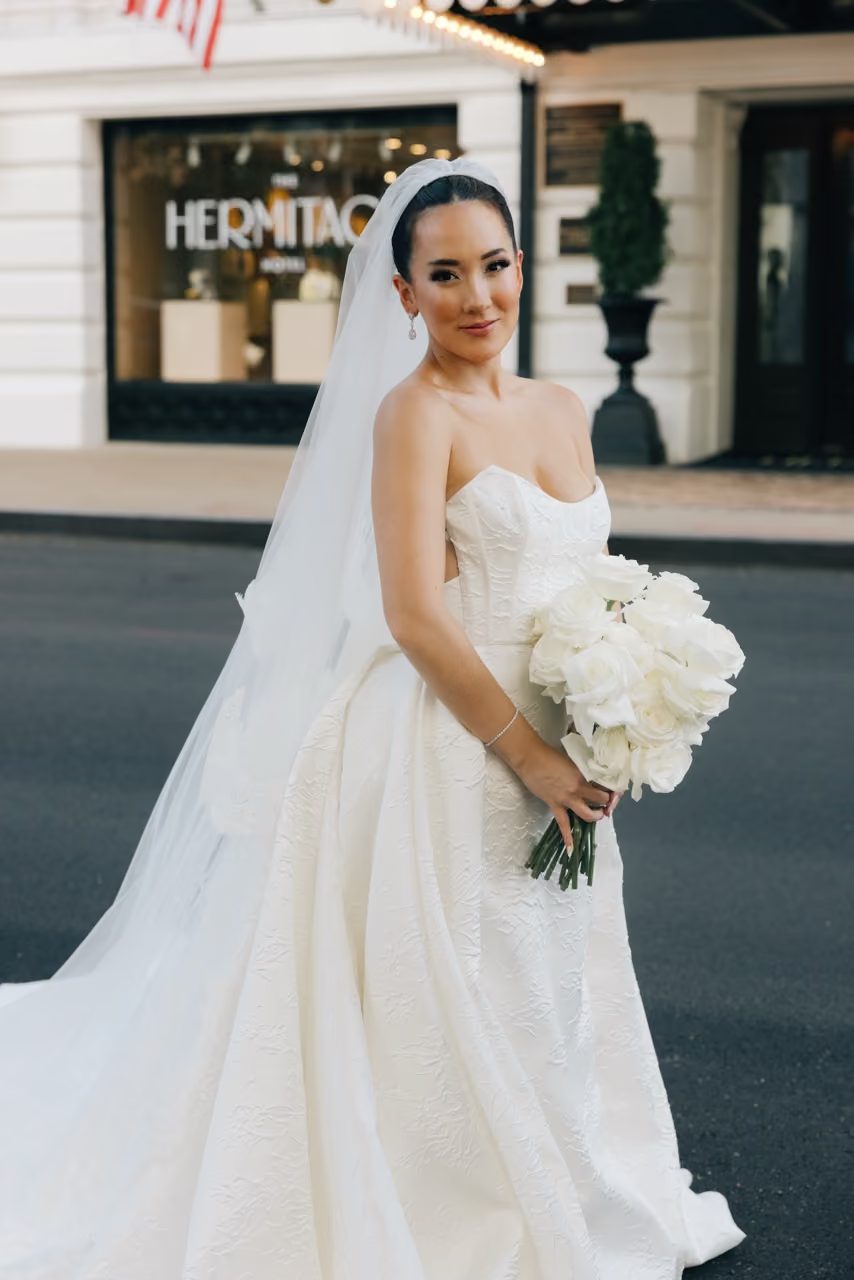
A tightly packed arrangement of roses reads polished and traditional. Swap in airy cosmos, tall larkspur, and flowers that move in different directions, and the feeling changes entirely. Same color, but completely different design.
That's also why all-white fits naturally alongside the other color stories that are defining weddings in 2026, rather than outside them. It isn't the absence of a design direction—it's one of the clearest design choices you can make.
If you're curious how white fits into the bigger picture, take a look at our guide to this year's summer wedding color palettes
What “Modern All-White” Actually Looks Like
This is where the biggest shift in wedding floral trends has happened.
For years, the classic white bouquet was almost perfectly round. Every stem cut to the same height, every bloom sitting at roughly the same distance from the center. It was polished, predictable, and easy to recognize.
The 2026 version feels much more relaxed.
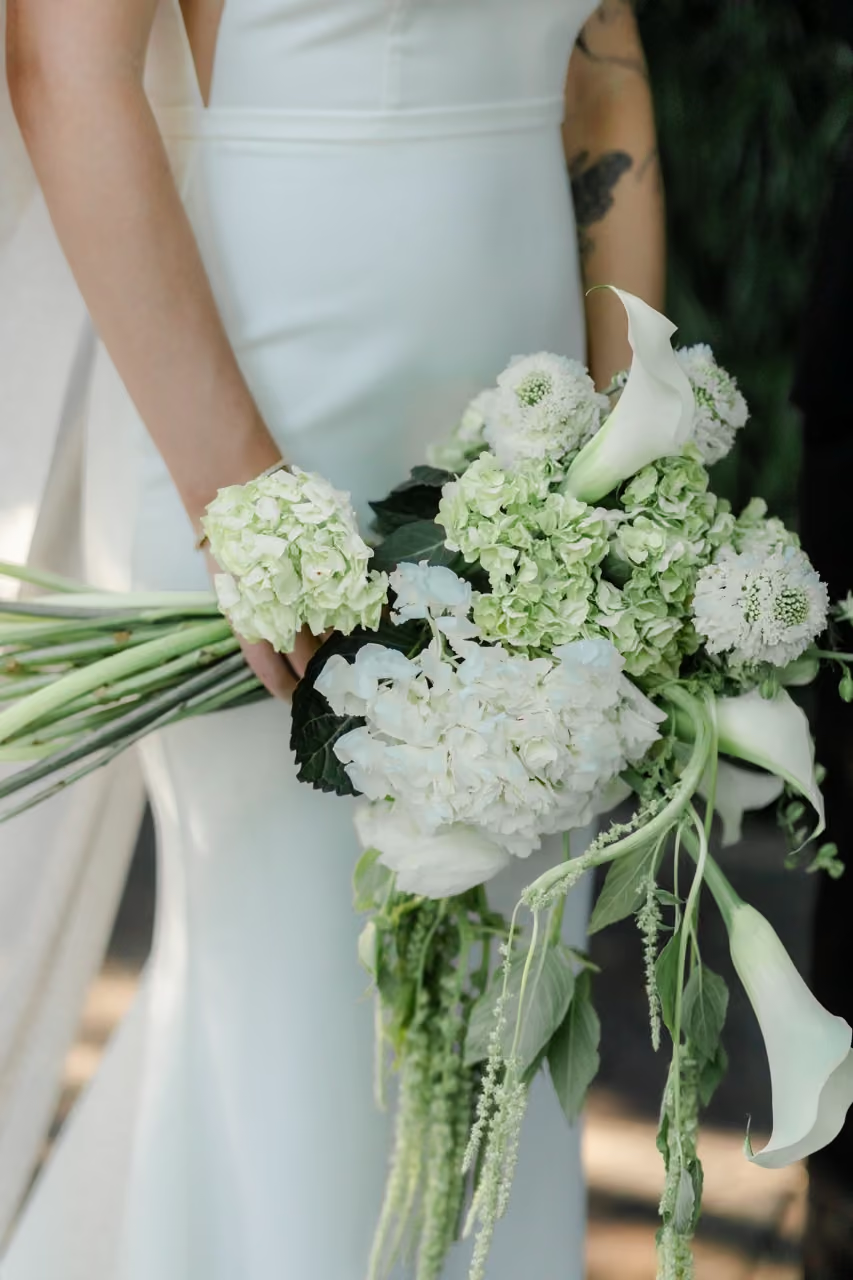
The asymmetric hand-tied bouquet has become one of the defining shapes of modern wedding flowers. Instead of forcing every stem into the same position, it lets each flower do what it naturally wants to. A larkspur reaches upward. A garden rose opens wide. A few cosmos drift gently beyond the edge of the bouquet. The silhouette feels dynamic instead of contained.
It isn't messy—it's intentional.
If you're thinking about bouquet size as much as bouquet style, our Bouquet Size Chart is a helpful place to compare proportions before you decide what feels right for your day. →
The loose garden-gathered style takes that feeling even further. Stems overlap, cross, and leave room for light to move through the arrangement. Instead of packing every flower tightly together, the design allows each bloom to stand on its own. The result feels lighter, more dimensional, and much closer to something you'd find growing naturally than something arranged into a perfect sphere.
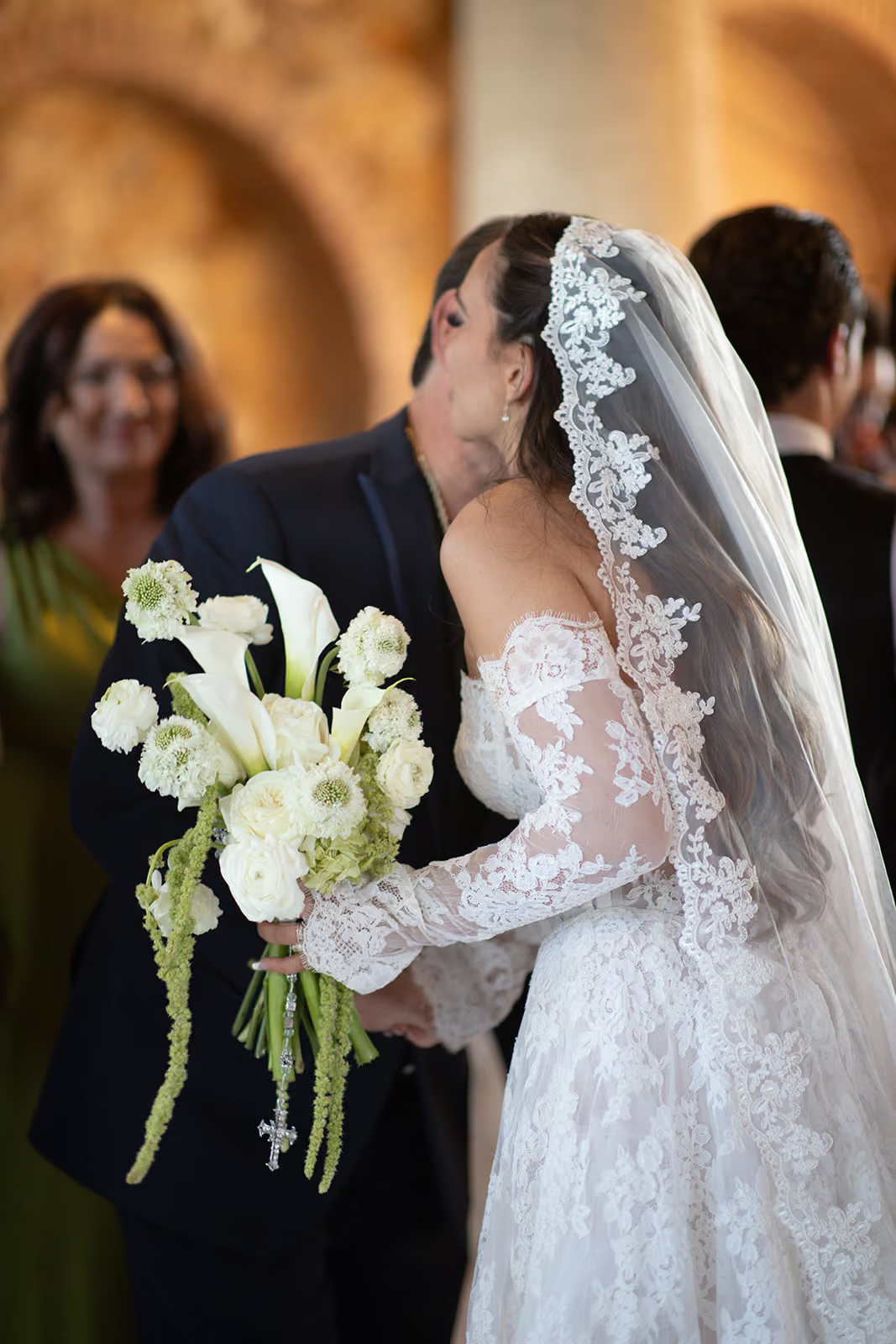
Then there's the monofloral bouquet, which has become increasingly popular over the last few years. Instead of mixing several flowers together, it lets one flower do all the talking. A bouquet made entirely of white calla lilies feels sleek and architectural. One made entirely of ranunculus feels soft and textural. Same color, but a completely different mood.
That's really the thread connecting modern all-white design. It isn't about making everything identical. It's about choosing one clear direction and letting every design decision support it.

Where White Goes Big: The Power of Scale
If bouquets are where all-white wedding design starts, installations are where it really comes into its own.
This is also where the myth that white is "minimal" falls apart.
The all-white installations we're seeing in 2026 aren't small or understated. They're layered, immersive, and much bolder than most people expect. The restraint is in the palette—not the scale.
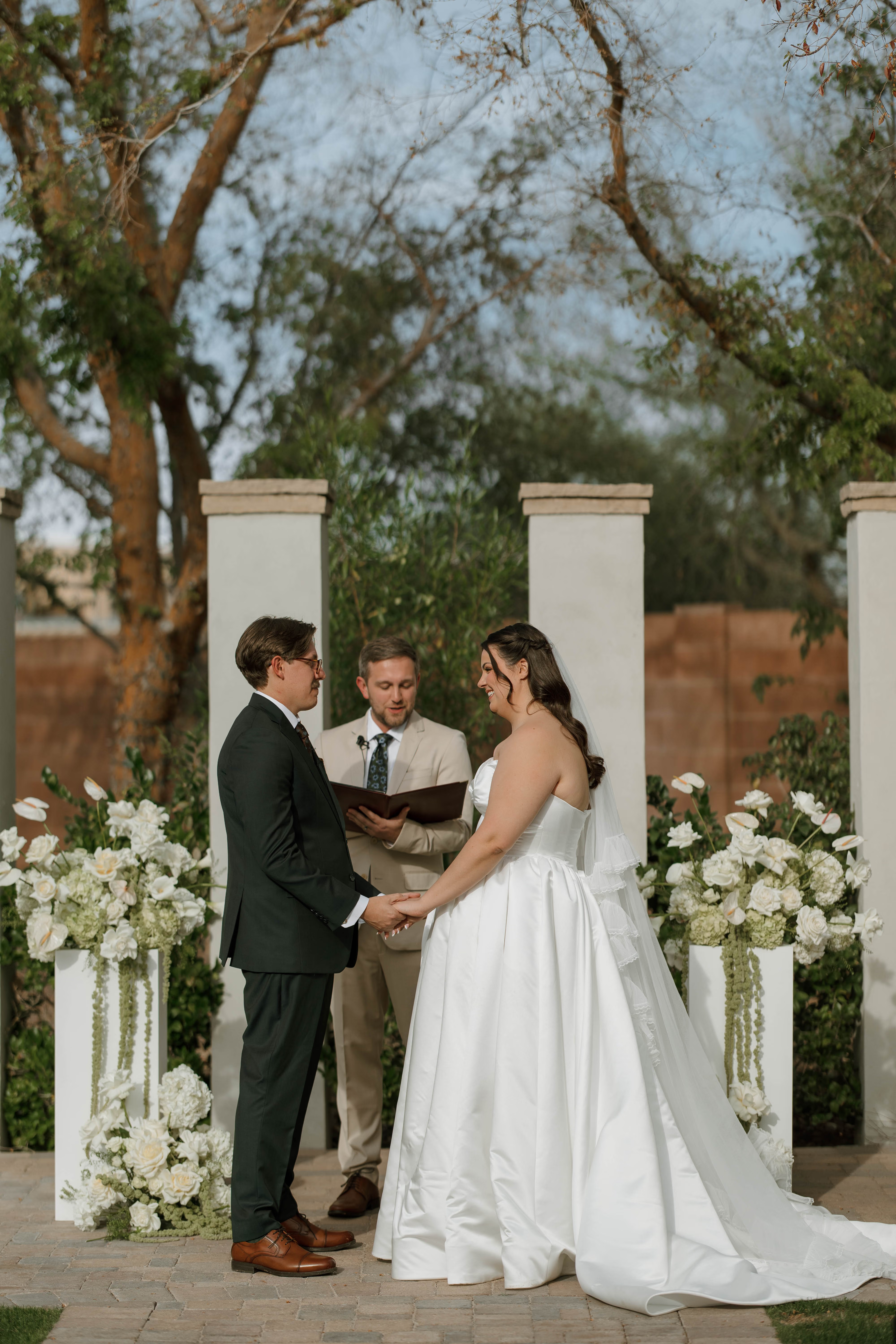
Deconstructed ceremony arches are a perfect example. Instead of flowers wrapping every inch of the structure, blooms are clustered in intentional sections with open space in between. Those gaps aren't unfinished, they're what make the arrangement feel lighter, more modern, and more connected to the landscape around it. As the light changes throughout the day, the empty space becomes just as important as the flowers themselves.
Ground meadows create a completely different feeling. Rather than lifting flowers onto pedestals or tall stands, they're designed to spill naturally across the floor, lining an aisle or gathering around the ceremony space. White cosmos, ranunculus, and peonies create the impression that the flowers have always belonged there. It's romantic without feeling overly polished, and it photographs beautifully from every angle.
Then there are sculptural installations that use scale in a different way. Masses of white hydrangeas can be shaped into oversized "clouds" that almost feel like part of the room. In a space with soaring ceilings or clean, modern lines, they become a focal point without needing color to make an impact.
What ties these installations together isn't the color. It's the confidence to let shape, scale, and placement lead the design. The result feels immersive, not minimal, and it's a good reminder that an all-white palette doesn't have to play it safe.
One Final Thought
The biggest decision isn't whether to choose white flowers. It's deciding which version of white feels like you.
Maybe it's a loose bouquet of cosmos and garden roses that looks like it was gathered that morning. Maybe it's a sculptural arrangement of calla lilies that's clean, modern, and dramatic. Maybe it's a ceremony framed by an airy white meadow instead of a traditional arch.
They're all white. They just create completely different feelings.
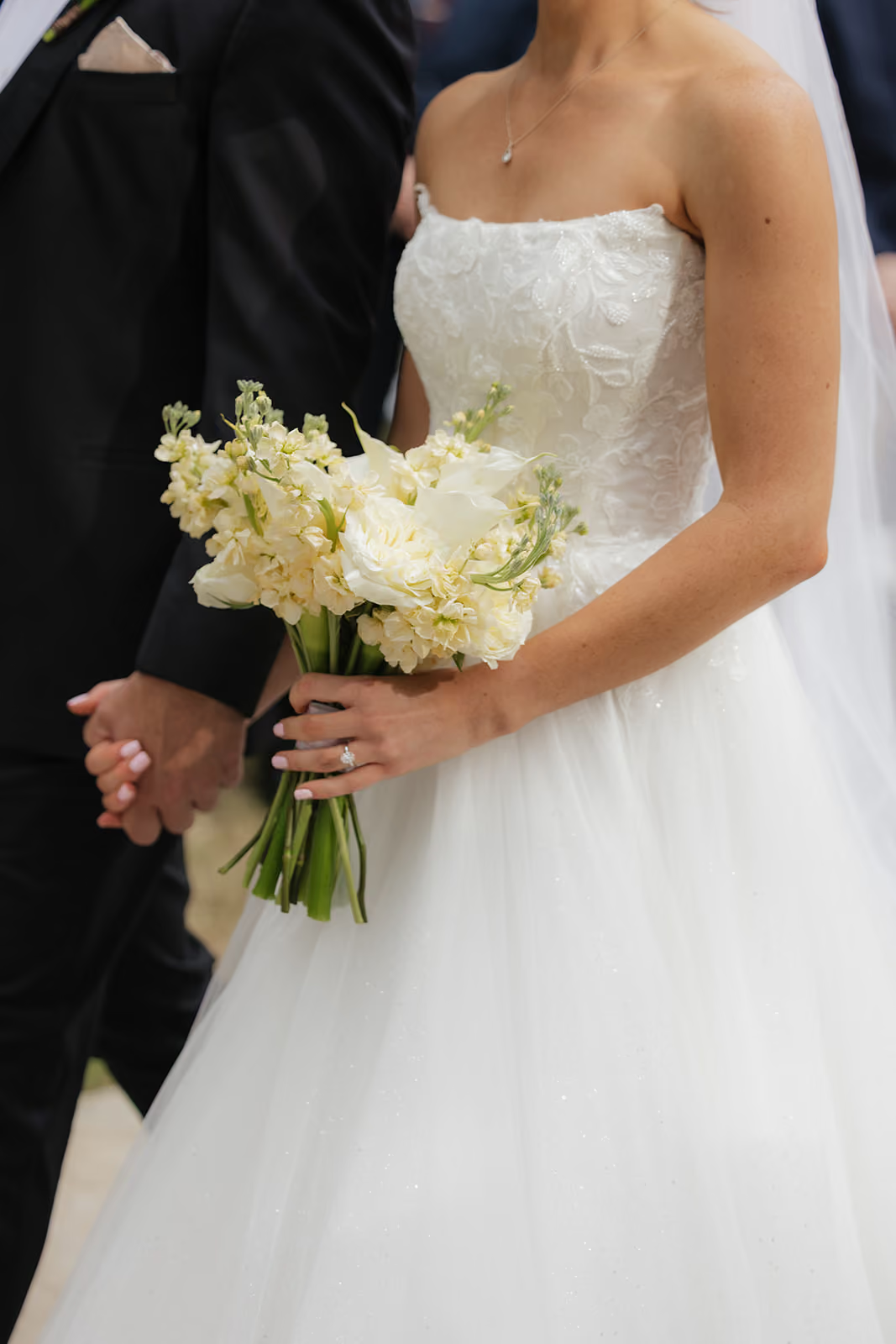
And if you've read this thinking, I actually want something with a little more color, you're not alone. Butter yellow has become one of the defining palettes of 2026, bringing warmth and optimism without feeling overly sweet. If you're curious, we took a closer look at why it's having such a moment this year. →
Once you know how you want your wedding to feel, the next question is usually a practical one: what does it actually cost to bring that vision to life?