


Behind The Design
Wedding Bouquet Size Chart: How to Pick the Right Size for Your Style
Behind The Design
Here's something most florists don't tell you upfront: bouquet size is one of the most practical decisions you'll make in the flower planning process — and it affects everything from how you look in photos to how tired your arms are by cocktail hour.
Whether you're just starting to think about flowers or you've been Pinterest-saving for months, this guide gives you a clear reference point. Below is a breakdown of every bridal bouquet size, what each one looks like in practice, and the honest factors that should actually drive your decision.
The Wedding Bouquet Size Chart
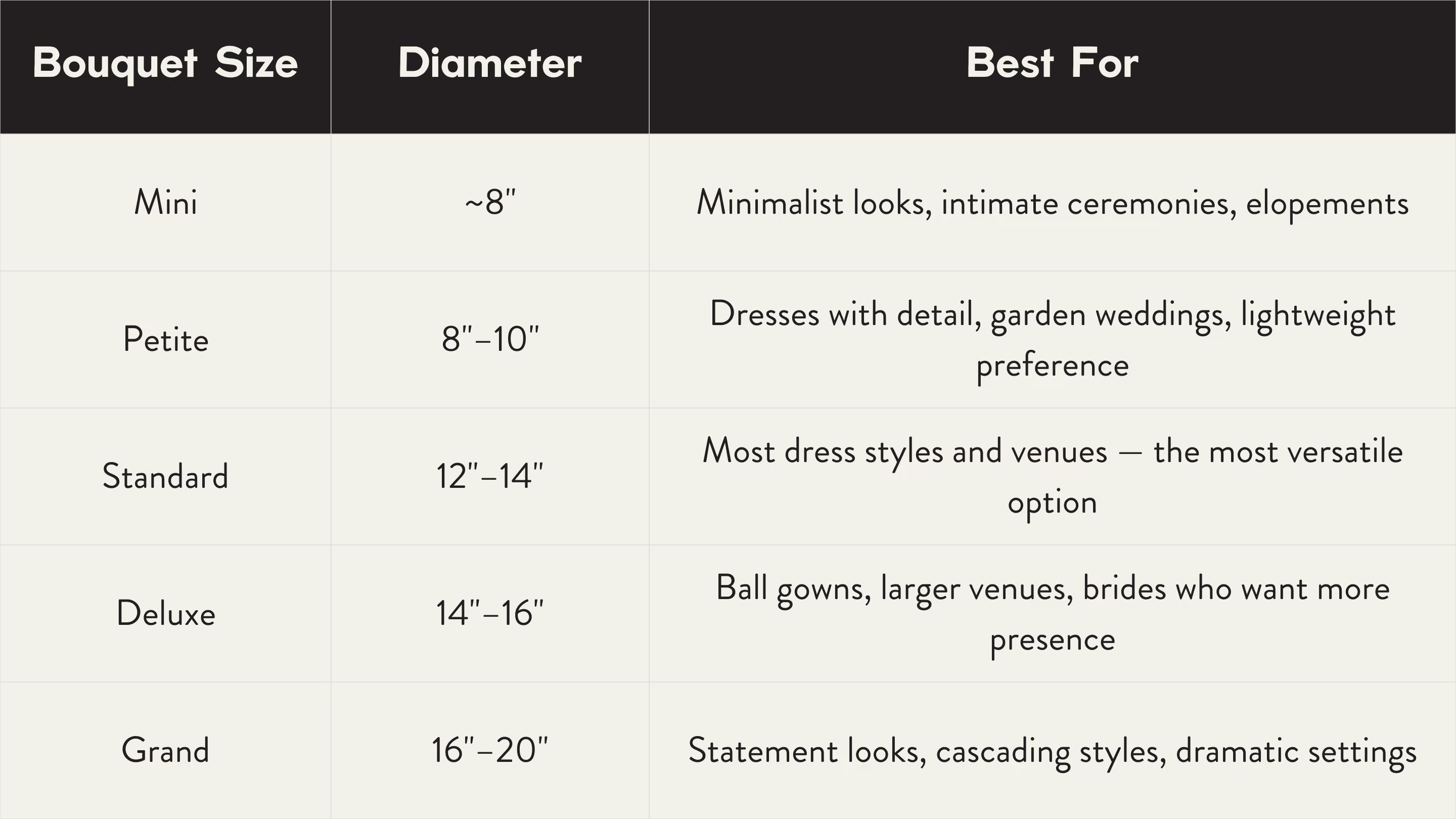
Here's a quick-reference chart covering the five standard bouquet sizes:
Mini Bouquets (~8")
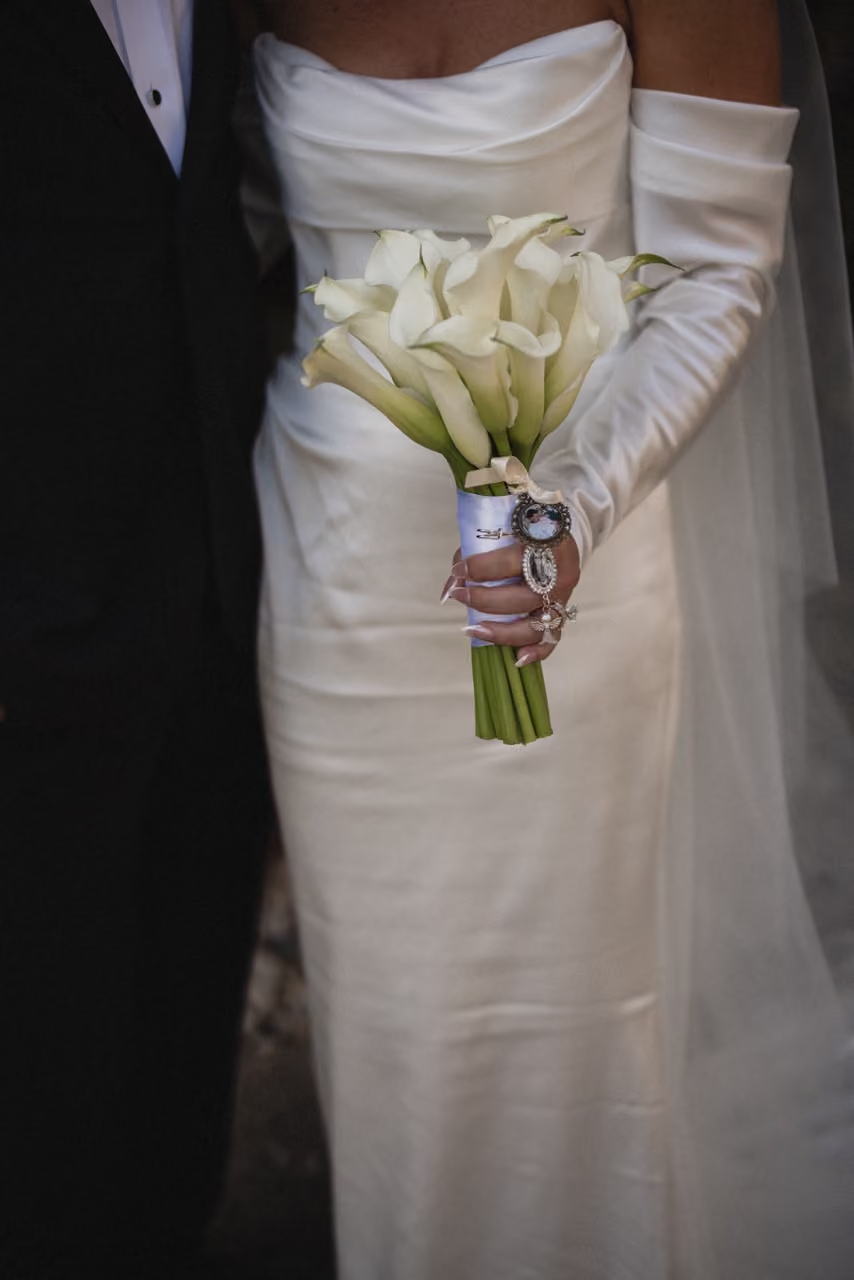
Mini bouquets are exactly what they sound like: small, intentional, and quietly confident. They measure around 8 inches and work beautifully for brides who want florals that feel like an accessory — not the main event.
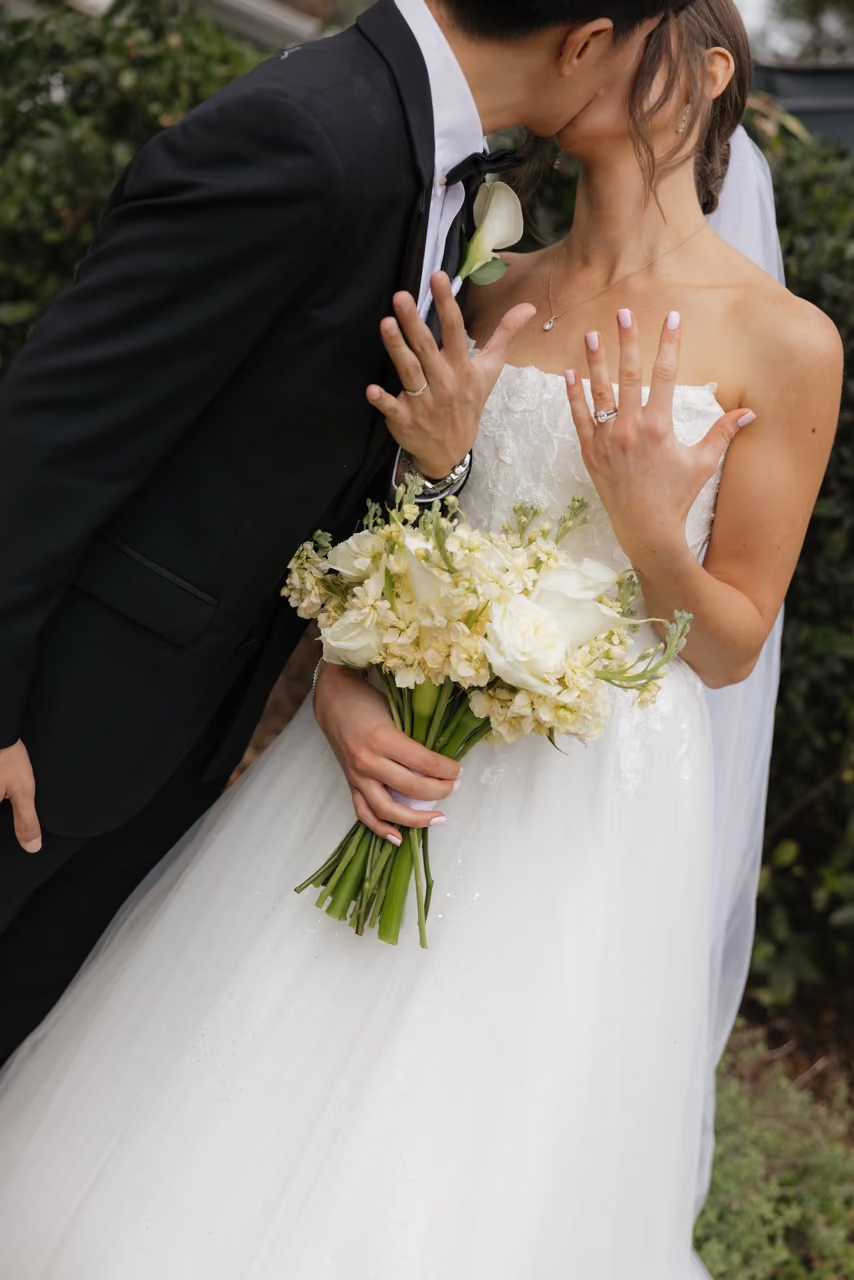
Claire's white rose mini bouquet is a good example. It was a tight, compact cluster of white roses with just a touch of greenery, and it was perfectly matched to her and Jay's clean, classic aesthetic. Nothing was competing — everything worked together.
Mini bouquets make sense if you're wearing a sleek, form-fitting gown, planning a smaller ceremony, or simply want to keep things understated. There's also a practical case for them: you'll hold your bouquet for hours during photos and the ceremony. A lighter arrangement is genuinely more comfortable.
Petite Bouquets (8"–10")
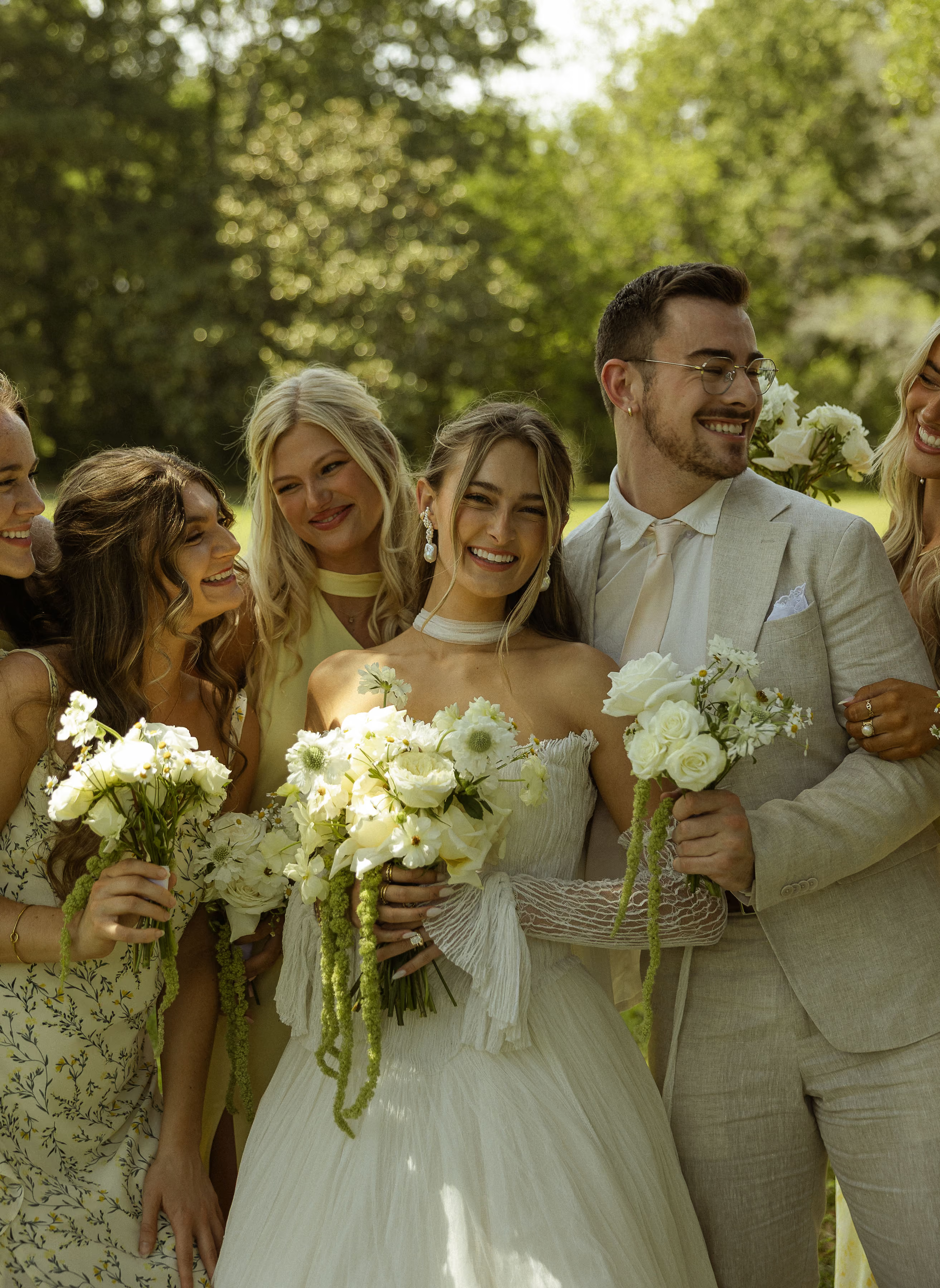
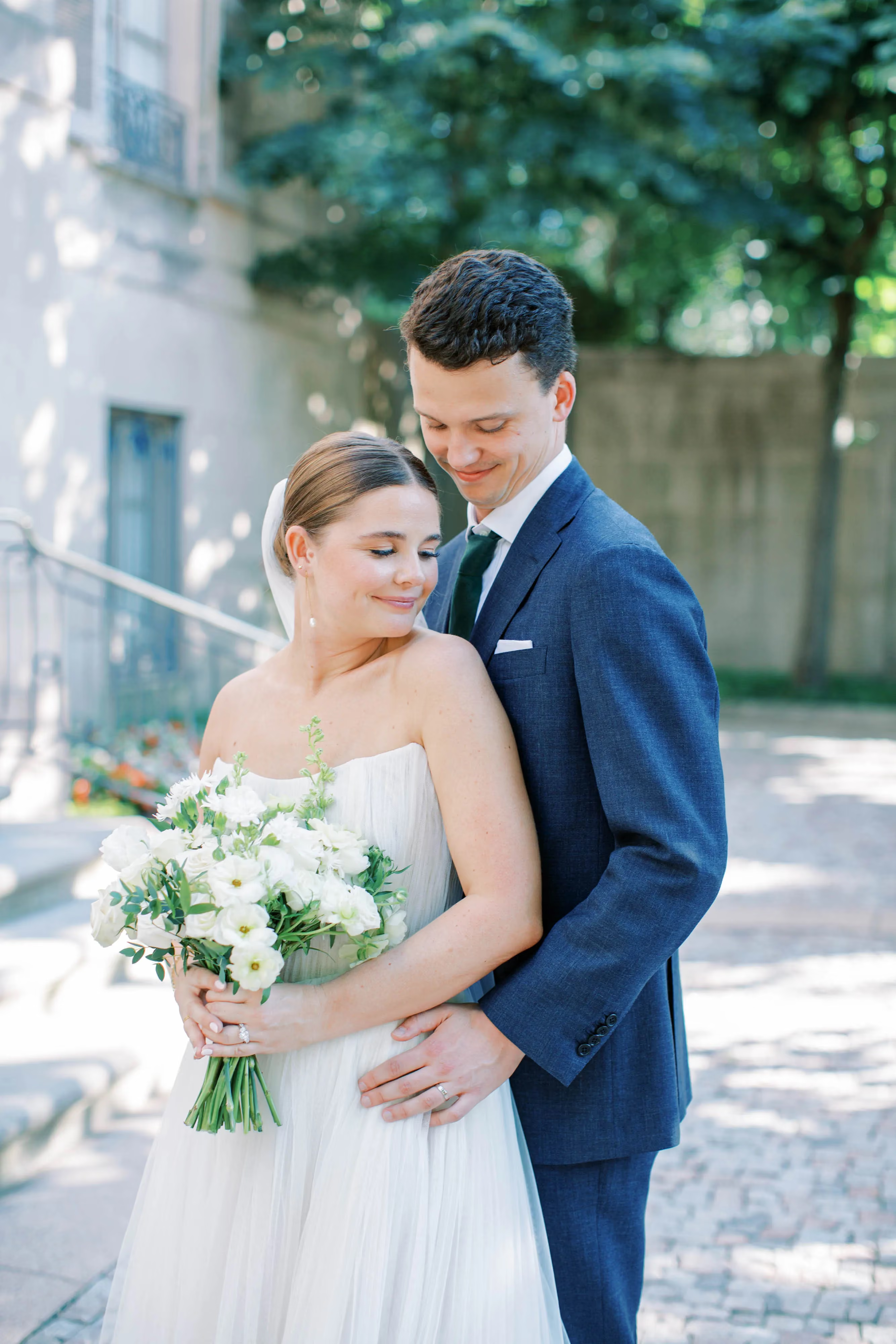
Petite bouquets sit just above mini in scale but feel a bit more substantial. They're a good fit for brides who want something with presence without anything getting lost in a sea of blooms — especially if the dress itself has embroidery, lace, or other details worth showing off.
They tend to work well for outdoor weddings where the setting is already doing a lot of visual work: garden ceremonies, vineyard receptions, anything with a lot of natural texture around you. The bouquet complements rather than competes.
One note: this is the size where personalization tends to shine. A petite bouquet with a meaningful ribbon, an heirloom charm, or a specific bloom from someone's garden can feel genuinely personal without needing to be elaborate.

Standard Bouquets (12"–14")
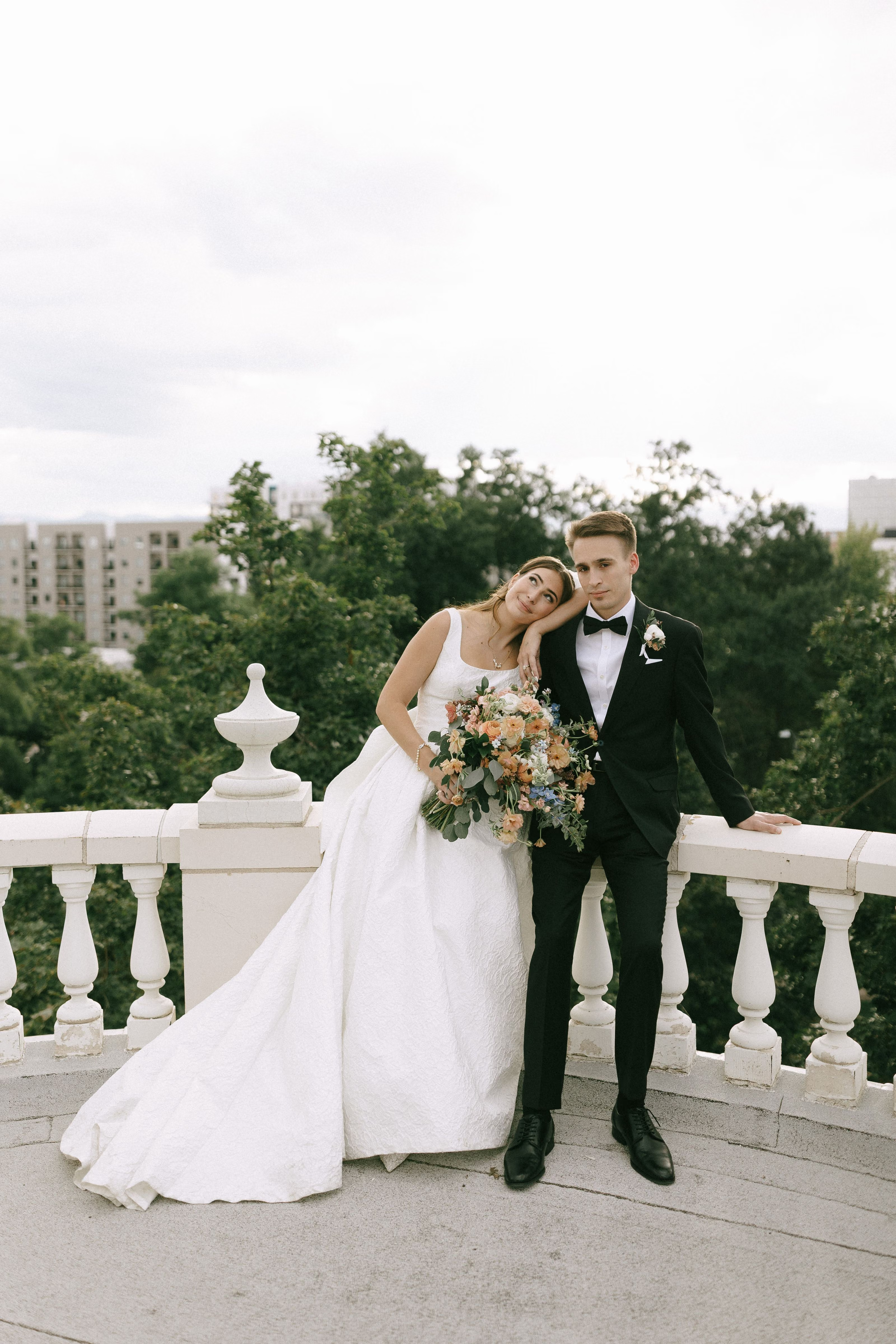
Standard is the most popular bridal bouquet size for a reason — it photographs well, works across almost every dress style, and has enough room for color and texture without becoming unwieldy.
Jaclyn's bouquet is a great reference point for what a well-executed standard looks like. It was built from our Citrus palette: coral and peach roses, deep red ranunculus and carnations, yellow craspedia, and layered greenery. It had real presence in photos without overwhelming her white gown.
Standard bouquets are also the most flexible in terms of silhouette — they can be tightly rounded and compact, or loose and organic depending on the look you're going for. If you're unsure where to start, this is usually the right place.
Deluxe Bouquets (14"–16")
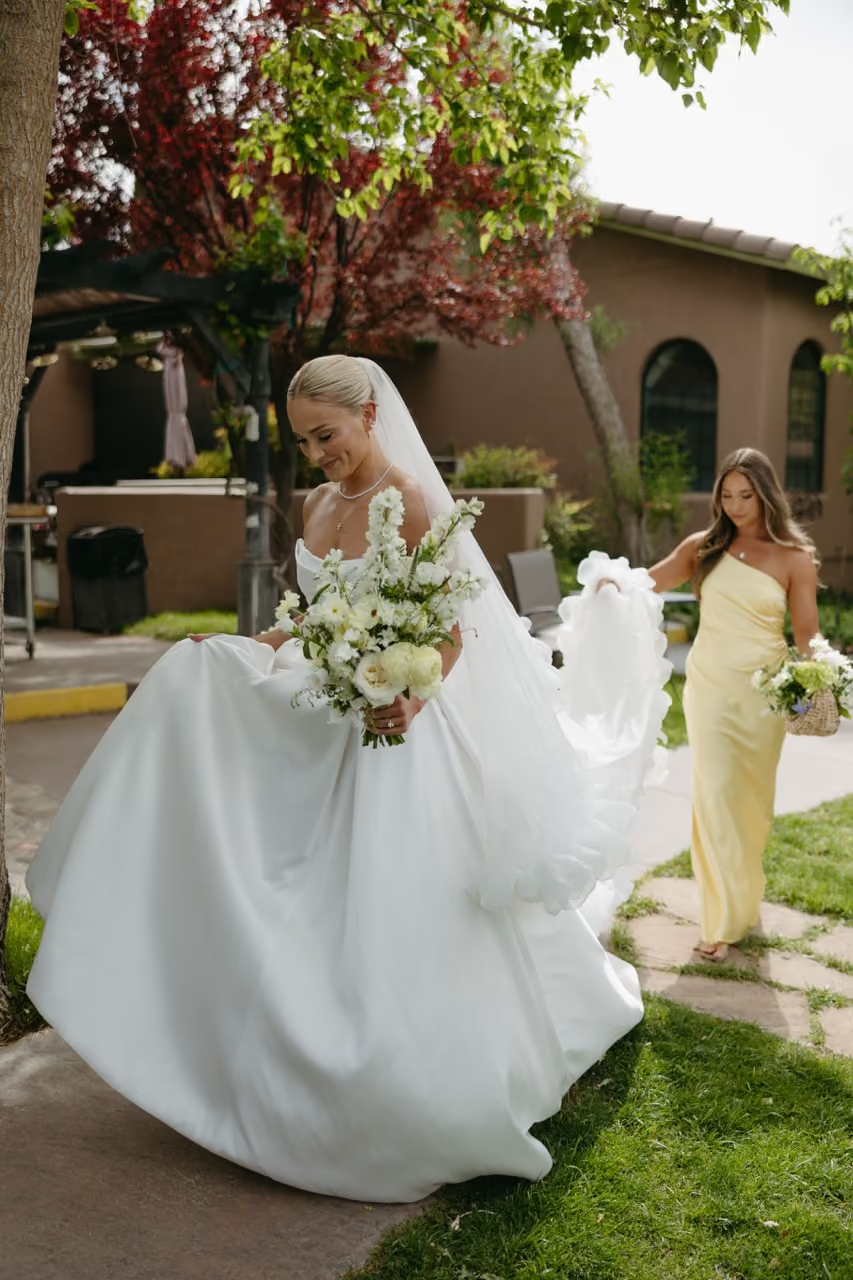
Deluxe bouquets are for brides who want their florals to genuinely register in photos — not in an overwhelming way, but in a way that has real weight and fullness. They're particularly well-suited to larger venues and dresses with volume, where a standard might feel a little slight in comparison.
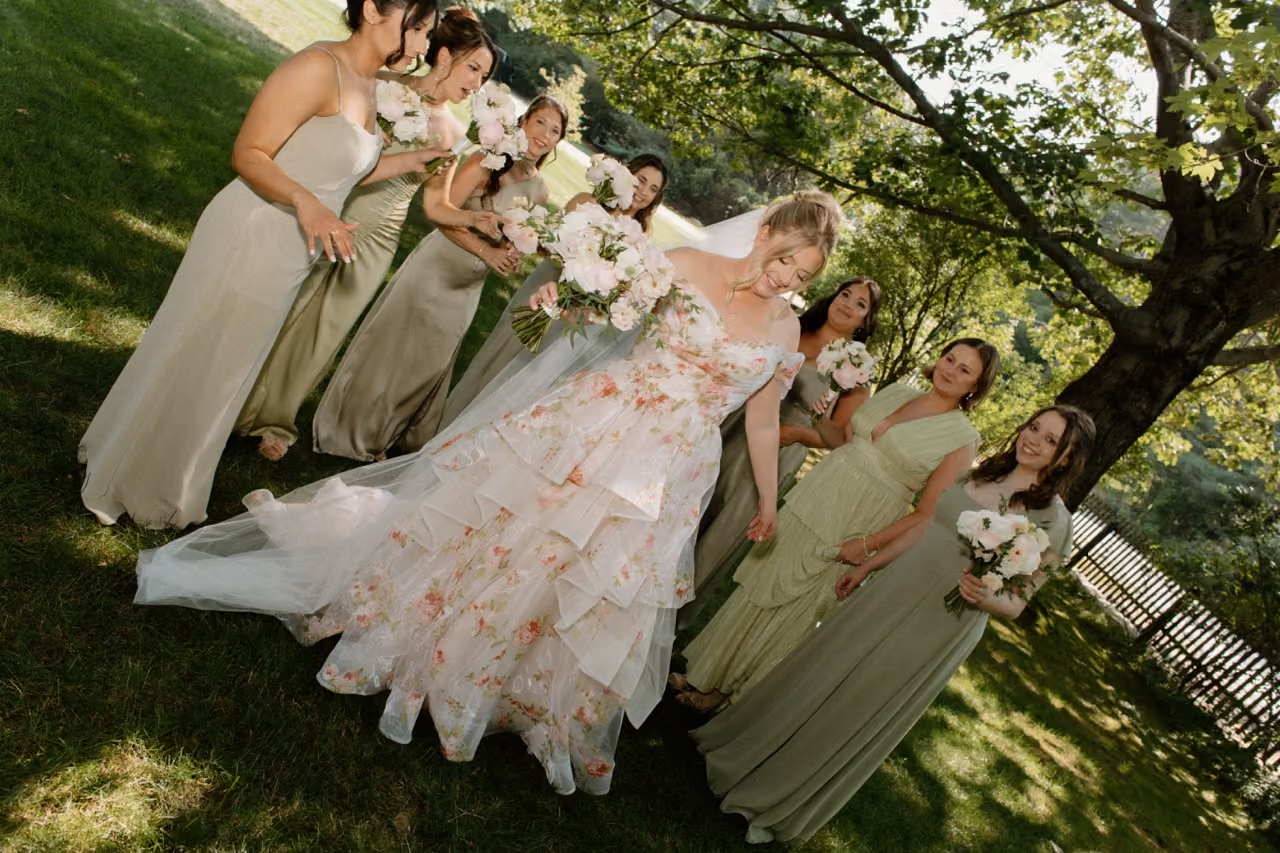
Kelsey's lakeside wedding is a good example of a deluxe done right. Her bouquet was soft and romantic — delphiniums, roses, lisianthus — in a muted pastel palette that complemented rather than competed with her floral gown. The size made sense for the scale of the setting.
The photography case for a deluxe: in full-length shots, a more substantial bouquet helps fill the frame and creates a more balanced composition. Your photographer will thank you.
Grand Bouquets (16"–20")
Grand bouquets are a statement. They typically feature voluminous flowers — roses, hydrangeas, peonies — sometimes with trailing greenery or a cascading shape. They look best when the rest of the wedding is scaled to match: a large venue, a full gown, and a couple who genuinely wants the florals to be front and center.
Emily's autumn wedding gives you a clear picture of what a grand bouquet can look like in practice. Hers was a cascade of peach and white roses with chrysanthemums and eucalyptus — arranged to flow rather than sit compactly. In photos, it looked dramatic in exactly the right way.
One honest note on grand bouquets: weight is real. If you're considering this size, ask about construction — a lighter internal structure can preserve the fullness without making your arms tired by the first dance.
How to Actually Decide
Beyond "what looks good," here are the factors that should shape your decision:
Your height and frame. Proportion matters. A grand bouquet on a petite frame can look overwhelming in photos — not because the flowers aren't beautiful, but because the scale is off.
Your dress. A structured, minimal gown usually calls for a smaller bouquet. A full ball gown or dramatic skirt can hold its own against something larger.
Your venue. An intimate garden ceremony reads differently than a grand ballroom. The size of the space affects how your bouquet registers visually — in person and in photos.
How long you'll be holding it. This is underrated. You'll carry your bouquet through the ceremony, portraits, and often through cocktail hour. A lighter arrangement is worth considering for practical reasons alone.
What you want the photos to say. If the bouquet is a major visual element in your wedding photos, size up. If it's more of an accent, size down.
If you're still not sure, ask your florist about a mock-up — a temporary arrangement built to scale using inexpensive flowers. Hold it in front of a mirror. It's the fastest way to know.
FAQ
What's the most popular bridal bouquet shape?The round bouquet — compact and circular — is the most common choice because it's versatile and photographs well from any angle. It works across styles and scales easily from petite to grand.
What bouquet size is best for a beach wedding?Mini or petite. They're lighter, easier to hold in wind or humidity, and don't compete with the natural backdrop. Simple tends to work better outdoors.
Can bridesmaids carry different sizes than the bride?Yes — and it's actually common practice. Bridesmaids typically carry mini or petite bouquets so the bride's arrangement reads as the focal piece. The contrast looks intentional in photos.
Which flowers work best in larger bouquets?Roses, hydrangeas, and peonies are go-to choices for deluxe and grand sizes because they're voluminous and hold their shape. Adding eucalyptus or other greenery gives fullness without adding significant weight.