
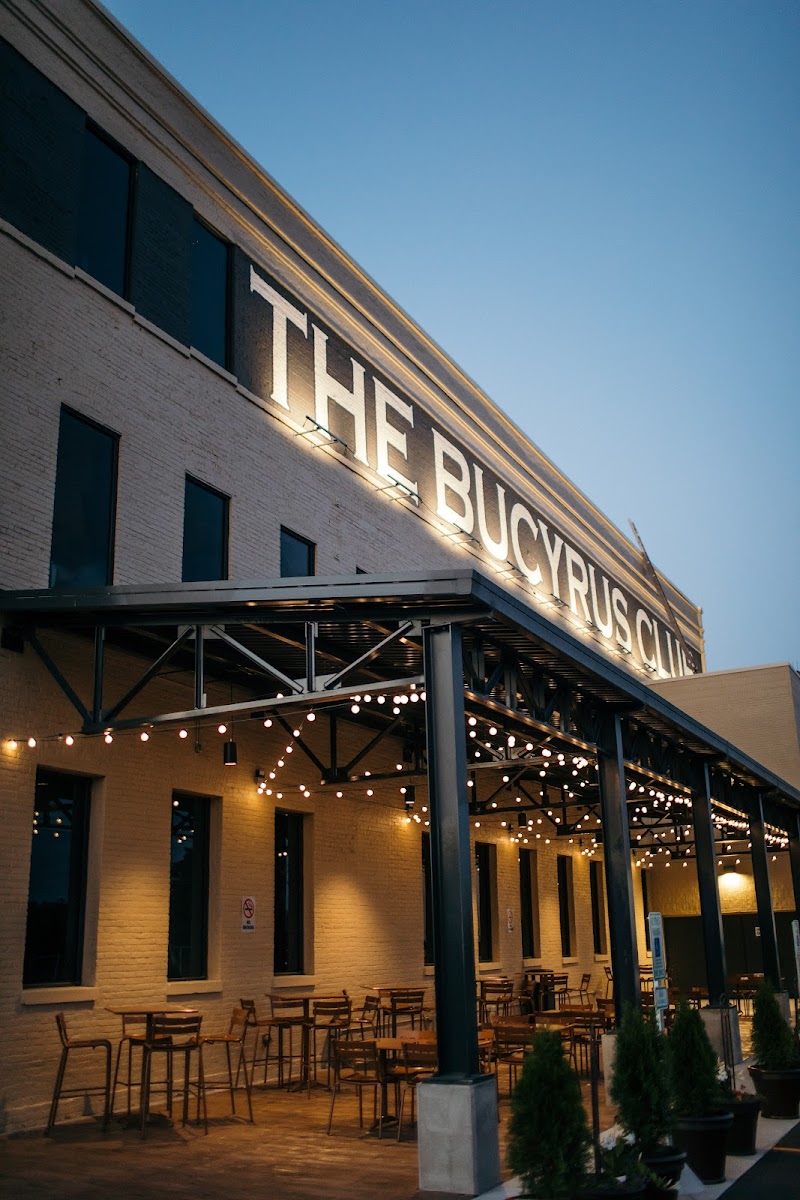
The Bucyrus Club is not a typical ballroom; it is a structural narrative of Milwaukee’s industrial heritage. For a floral designer, the opportunity lies in the tension between the “hard” materials—cast iron, heavy timber, and Cream City brick—and the “soft” organic movement of premium blooms. This is a venue that rewards bravery in scale and a sophisticated understanding of vertical space.
Designing here requires more than just table accents. The sheer volume of the 1893 and Grand Ballrooms means that standard-height centerpieces can feel underwhelming. To truly master this space, one must look to the ceilings and the walls, using the building’s own skeleton to support ambitious, architectural floral moments.
The Spaces
1893 Ballroom
This space is defined by its 1892 wooden beams and cast iron support saddles. It carries a gravitas that modern ballrooms simply cannot replicate. The aesthetic is heavy and historic, making it the perfect environment for lush, garden-style arrangements that break up the linear nature of the architecture.
- What works: Suspended greenery “clouds” or thick smilax crawls along the original beams. The dark wood of the ceiling provides a high-contrast background for white and cream floral installations.
- Skip: Thin, spindly tall stands that look fragile against the massive timber supports.
- Watch out: The cast iron saddles are beautiful but fixed; your rigging plan must respect the historic hardware.
- Budget hero move: Focus your investment on two massive “growing” floor installations at the head of the aisle that can be repurposed to frame the sweetheart table.
Grand Ballroom
Remodeled from a 1907 machine shop, this room offers a slightly more modern industrial feel while retaining the massive scale of its predecessor. The high ceilings and open floor plan allow for a variety of layouts, but the room can feel vast if not anchored by strategic floral placement.
- What works: Tall, architectural branches—like quince or cherry blossom—that reach toward the 1907 beams. These provide height without blocking sightlines across the large guest count.
- Skip: Short, tight pavé arrangements that fail to command attention in a room of this size.
- Watch out: The lighting is a mix of natural and artificial; ensure your floral colors don’t wash out under the evening’s amber uplighting.
- Budget hero move: Utilize the high-rigging points for a single, high-impact installation over the dance floor rather than trying to do small hanging elements everywhere.
Founder’s Room
The Founder’s Room is the heart of the club’s intimate offerings. With its distinctive fireplace and restaurant-adjacent feel, it’s designed for warmth and conversation. The Cream City brick is prominent here, creating a cozy, monochromatic backdrop.
- What works: Asymmetrical mantel installations that spill down one side of the fireplace. Use varied heights of taper candles to add a flickering, romantic layer to the florals.
- Skip: Large pedestal arrangements that obstruct the view of the historic fireplace.
- Watch out: This space often serves as a restaurant; load-in times may be tighter than the main ballrooms.
- Budget hero move: A lush mantelpiece arrangement provides the most visual impact for the lowest cost in this specific room.
Main Hall & Museum
This is perhaps the most unique space in the building, featuring display cases and artifacts that tell the story of Bucyrus-Erie. It is a transition space that demands a curated approach to decor.
- What works: Low-profile, long arrangements placed atop the display cases (if permitted) or petite cocktail accents that don’t compete with the machinery.
- Skip: Floor-standing arches that might block the flow of guests moving through the museum elements.
- Watch out: Fixed display cases limit where you can place floor-based pedestals.
- Budget hero move: Cluster bud vases on cocktail rounds to create a “collected” look that mirrors the museum’s curatorial vibe.
What Works at Bucyrus Club
Leverage the verticality of the beams. The exposed timber is the venue’s greatest asset. Instead of fighting the ceiling height, use it. Hanging installations—whether they are full floral chandeliers or simple greenery tucks—make the room feel intentional and designed rather than just “filled.”
Contrast the “hard” with the “soft.” The venue is full of brick, iron, and wood. To make your flowers pop, use ingredients with movement and softness. Think ranunculus, sweet peas, and trailing jasmine vine. These delicate textures stand out beautifully against the rugged industrial backdrop.
Embrace the Cream City brick palette. This specific brick has a creamy, yellow-grey tone. It acts as a neutral but has a distinct temperature. Avoid muddy colors; instead, opt for crisp whites, soft peaches, or deep, moody burgundies that provide clear separation from the walls.
Frame the industrial windows. The large windows are a signature feature. Use ground-level floral nests to frame the bottom of these windows during a ceremony. It grounds the space and draws the eye to the natural light without obstructing the view.
Incorporate the museum aesthetic. The venue is a place of history. Floral designs that feel “collected”—using varied vessels, interesting botanical specimens, and a mix of textures—feel more at home here than overly manicured, round bouquets.
Budget Guide
| Tier | Investment | Floral Experience |
|---|---|---|
| Essentials | $1,750 - $3,500 | Personal flowers for the wedding party, a focused fireplace installation in the Founder’s Room, and low-profile garden-style centerpieces for up to 15 tables. |
| Sweet Spot | $3,500 - $6,000 | Adds a significant ceremony statement (like a deconstructed arch) and a mix of tall and low centerpieces to create visual rhythm in the ballroom. |
| Full Experience | $6,000 - $9,500 | Includes a suspended greenery installation on the main beams, lush floral for the head table, and upgraded textures for all guest tables. |
| Statement | $10,000+ | Full-scale ceiling installations, floral-heavy ceremony backdrops, and immersive decor that transforms the industrial hall into a botanical conservatory. |
The Bucyrus Club is a venue where the architecture provides the “bones,” allowing your floral budget to go further by focusing on accents rather than trying to hide the space.
Tips
Coordinate your COI early. The venue requires a certificate of insurance for all outside vendors; ensure your florist has this on file well before the wedding week to avoid load-in delays.
Respect the load-in window. Outside vendors are generally not allowed to arrive before the scheduled rental time. Choose a floral team experienced in “flash setups” or those who can pre-build large installations off-site.
Plan for repurposing. The “growing” arrangements used for an indoor ceremony in the Main Hall can easily be moved to frame the sweetheart table or the band stage in the ballroom for the reception.
Think about the lighting. The industrial nature of the space means it can get dark in the corners. Ask your florist to incorporate glass or metallic accents in the centerpieces to catch and reflect the candlelight and uplighting.
Consider the wind on the patio. If you are using the outdoor space for a ceremony or cocktail hour, ensure all floral stands are weighted. The South Milwaukee area can catch a lake breeze that will topple top-heavy arrangements.