
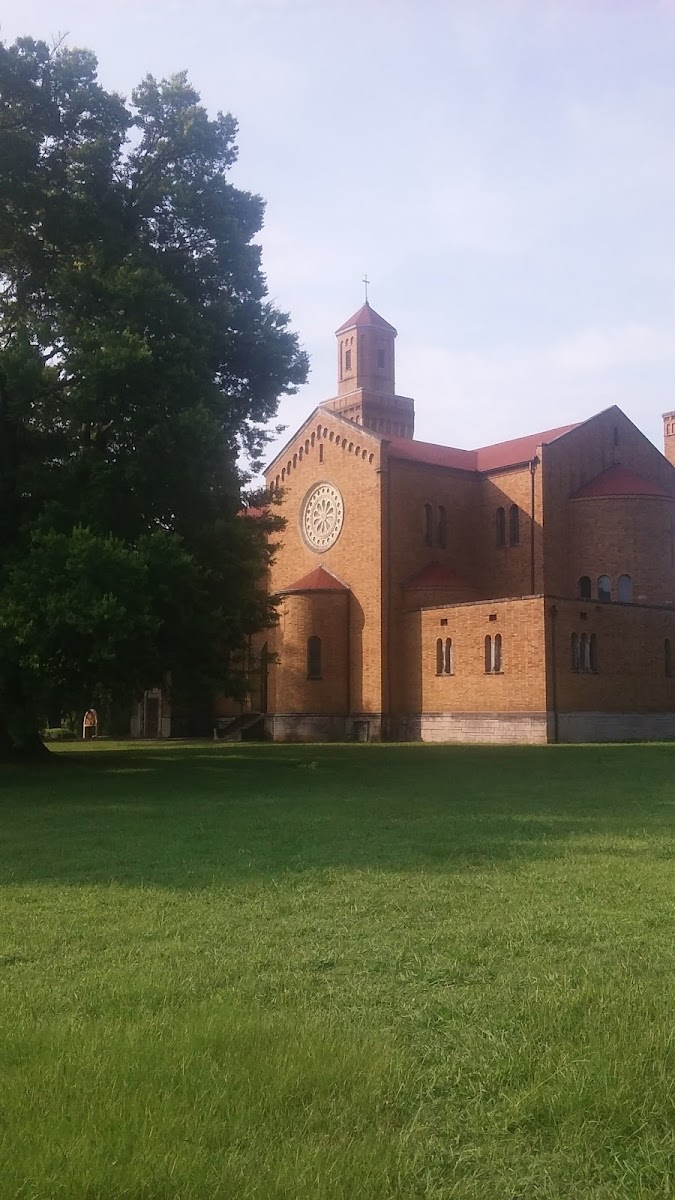
Designing for a space as architecturally significant as Blessed Sacrament Church requires a respect for history and a keen eye for contrast. This Romanesque revival sanctuary, a replica of Renaissance-era churches, offers a visual density that can easily swallow up timid floral designs. The goal here is not to compete with the 1910 craftsmanship, but to frame it using light-reflective palettes and intentional placement.
The interior is defined by its buff brick, dark wood paneling, and an exquisite collection of murals. Because the sanctuary has limited natural light and deep-toned finishes, the floral strategy must prioritize “popping” against the background. We approach this venue with a focus on ground-level installations and altar-adjacent displays that guide the eye toward the High Altar without obscuring its historical detail.
The Spaces
Main Church
The heart of the venue is the Romanesque sanctuary, featuring high arched ceilings and a seated capacity of 150. The space is anchored by the High Altar and two side altars, all of which provide significant architectural interest. The dark wood and painted plaster create a moody, reverent atmosphere that serves as a dramatic backdrop for classic floral styling.
- What works: Large-scale floor arrangements at the base of the altars. These “meadow” style installations create a lush, organic feel that softens the hard lines of the stone and wood. Use high-contrast flowers—think O’Hara roses, white delphinium, and bleached ruscus—to ensure the designs are visible from the back of the nave.
- Skip: Tall, spindly arrangements on pedestals. These often look cluttered against the busy patterns of the stained glass and murals.
- Watch out: The painted murals on the ceiling and walls are delicate and protected. There are no rigging points for hanging installations, and the church likely has strict rules against attaching anything to the pews or walls with tape or nails. Budget hero move: Focus your entire ceremony budget on two massive ground-level installations at the foot of the High Altar. This frames the couple perfectly for every photo and honors the most sacred part of the room.
Exterior Grounds
The exterior features a striking buff brick facade that reflects the Renaissance style. While most of the ceremony occurs inside, the front steps and the street-level area are frequently used for traditional processions and the “grand exit.”
- What works: Handheld floral pieces and portable arrangements. If a procession is planned, consider lightweight, wind-resistant designs that can be carried or moved easily.
- Skip: Elaborate outdoor arches. The architecture of the church entrance is already a statement; a heavy floral arch often feels redundant and can block the beautiful arched doorways.
- Watch out: Wind exposure on the West End streets can be a factor for delicate blooms. Stick to sturdier varieties like ranunculus or carnations for any items used outdoors.
What Works at Blessed Sacrament Church
High-Contrast Palettes. Because the sanctuary features dark wood and limited natural light, deep reds or purples will disappear into the background. Stick to whites, creams, buttery yellows, or very bright pastels to ensure your flowers stand out in professional photography.
Ground-Level Clusters. The architecture is the star here. Instead of trying to reach the heights of the arched ceilings, keep the floral energy at the ground level. Clusters of flowers around the base of the statues or the pulpit create a “growing from the floor” effect that feels modern yet respectful of the traditional setting.
Lush Greenery. The church is a mix of brick, stone, and wood. Introducing soft, flowing greenery like smilax or eucalyptus provides a necessary textural contrast to the hard surfaces of the Romanesque interior.
Aisle Markers with Substance. With a 150-person capacity, the aisle is intimate. Use low-profile aisle markers or “floral meadows” that sit on the floor. This keeps the sightlines clear for guests and prevents the space from feeling cramped.
Respecting the Iconography. The altars and statues are central to the church’s identity. Florals should be designed to “hug” or frame these elements rather than sit in front of them. Using asymmetrical designs can help highlight a statue or a specific mural without blocking the view for the congregation.
Budget Guide
| Tier | Price Range | What it covers |
|---|---|---|
| Essentials | $1,750 - $2,500 | Personal flowers (bouquets/boutonnieres) and two medium altar arrangements. |
| Sweet Spot | $2,500 - $4,500 | Personals, two large altar “nests,” and modest aisle markers for the first few pews. |
| Full Experience | $4,500 - $7,000 | Comprehensive floral plan including a full aisle of floor meadows and multiple altar displays. |
| Statement | $7,500+ | All of the above plus large-scale entry arrangements and additional decor for the side altars. |
The architectural character of Blessed Sacrament Church is so strong that even a “Sweet Spot” budget can feel like a “Full Experience” if the flowers are placed strategically at the primary focal points.
Tips
Prioritize high-contrast colors. In a dark, wood-heavy sanctuary, white and cream flowers act as natural reflectors, making the entire space feel brighter.
Coordinate with the parish office early. Churches often have strict “liturgical seasons” (like Lent) where floral decor may be restricted or required to follow specific color schemes.
Think about the “turn.” If your reception is at a different location, ensure your altar arrangements are designed in movable containers so they can be easily transported and repurposed for the head table or bar.
Avoid the ceiling. There are no rigging points and the murals are irreplaceable; plan for a 100% ground-supported or tabletop floral design.
Check the lighting. If the ceremony is late in the day, the sanctuary can become quite dark. Ask your photographer if they plan to use flash, as this will affect how your floral colors appear against the dark wood.