


Venues We Love
Wedding Flowers in Dallas: A Venue-by-Venue Guide
Venues We Love
Dallas doesn’t fit one wedding aesthetic.
Within the metro, you can get married in a 66-acre botanical garden on White Rock Lake, a converted industrial warehouse in the heart of downtown, a chapel with oak-beam ceilings, or a nature center at the edge of the Great Trinity Forest.
That range is what makes the city interesting to design in. The venue gives the first instruction: whether flowers need to rise, contrast, soften, or make room for the landscape. Poppy brings the same farm-direct sourcing and venue-specific design process to Dallas that it does in New York, DC, and San Francisco.
Here's what that looks like across four distinctly different settings.
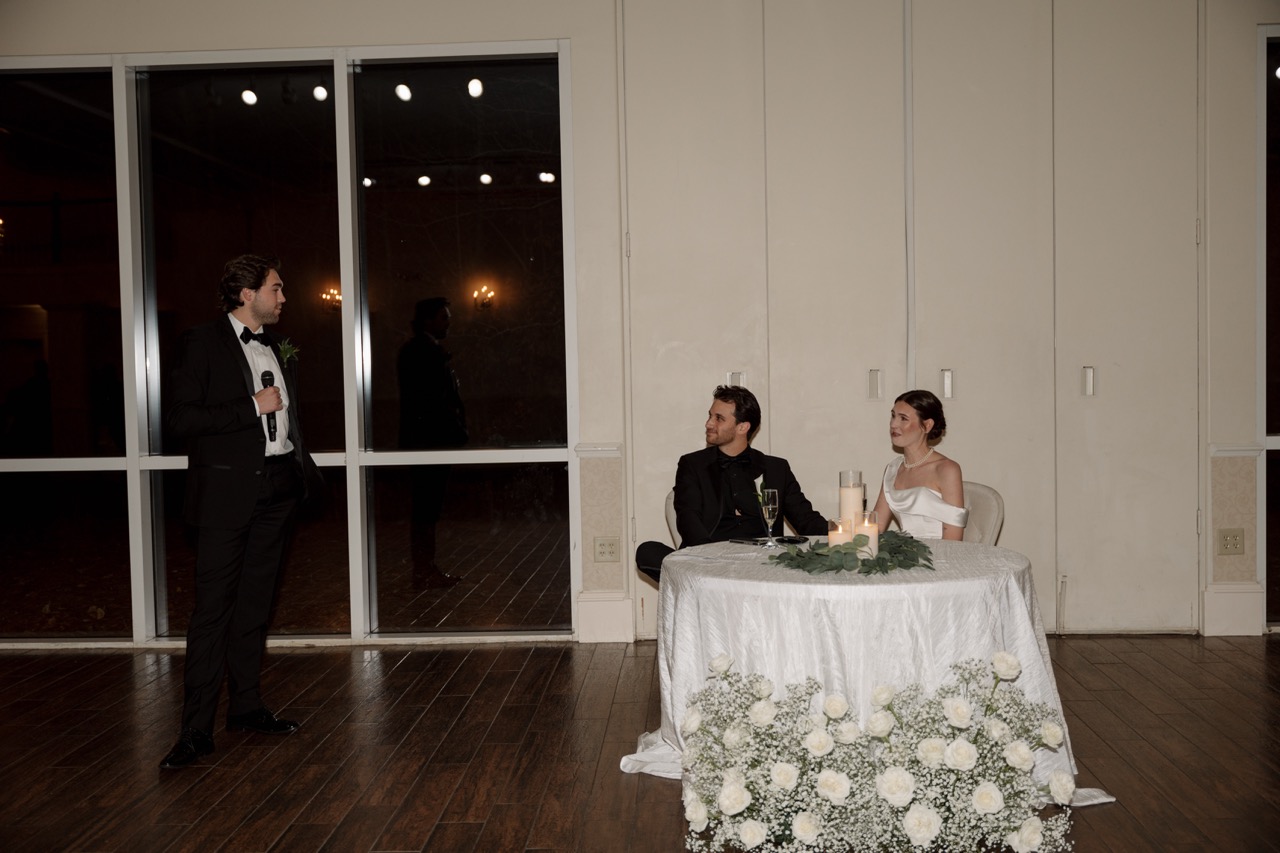
Ashton Gardens — One Property, Two Completely Different Briefs
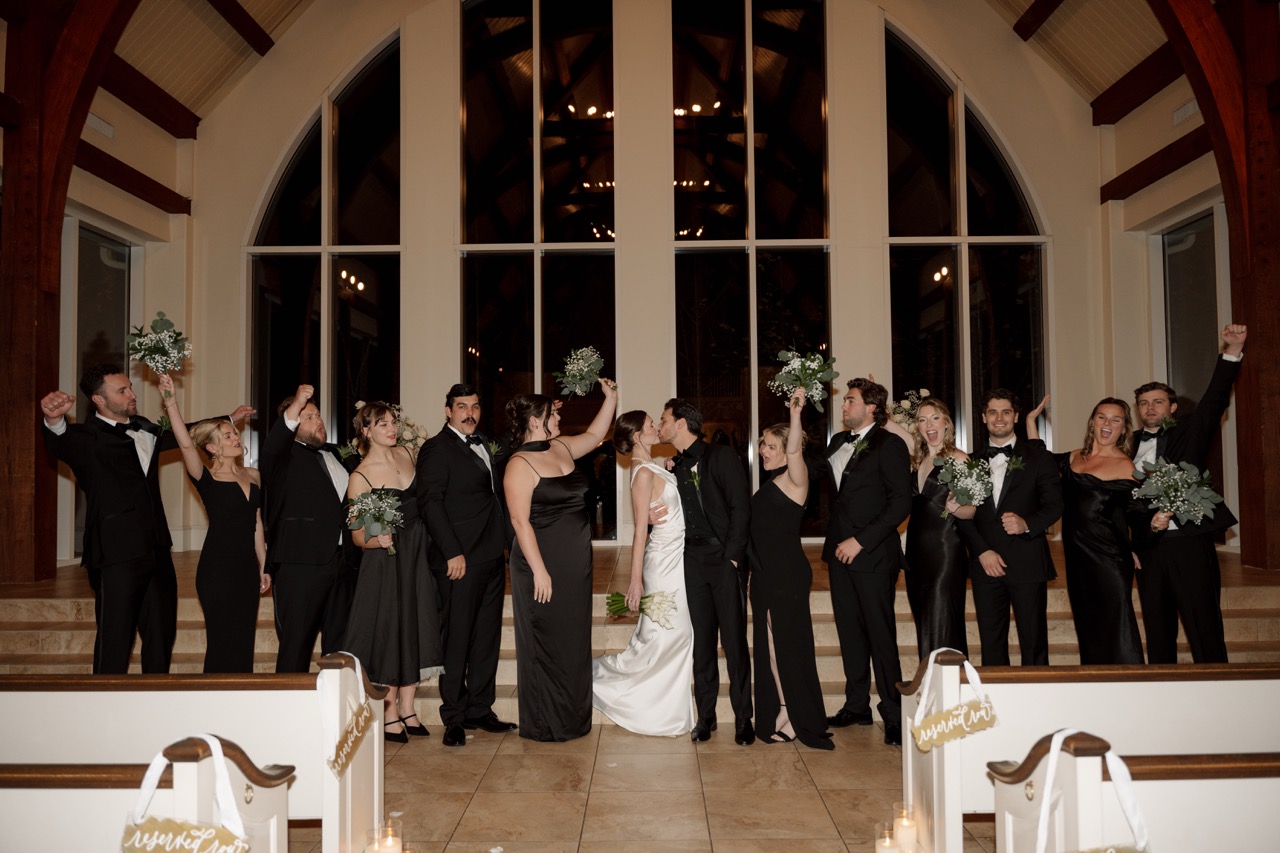
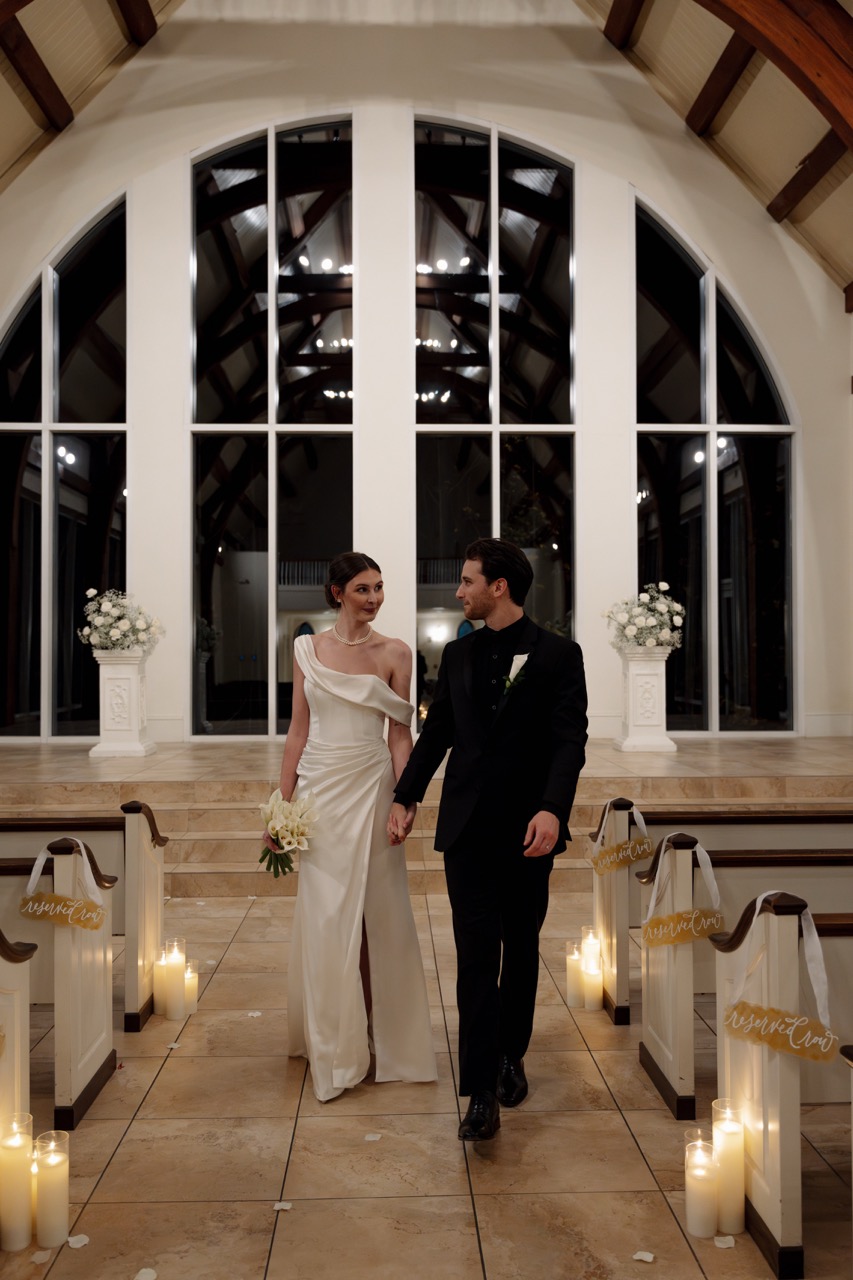
Ashton Gardens in Corinth carries two distinct personalities on one property.
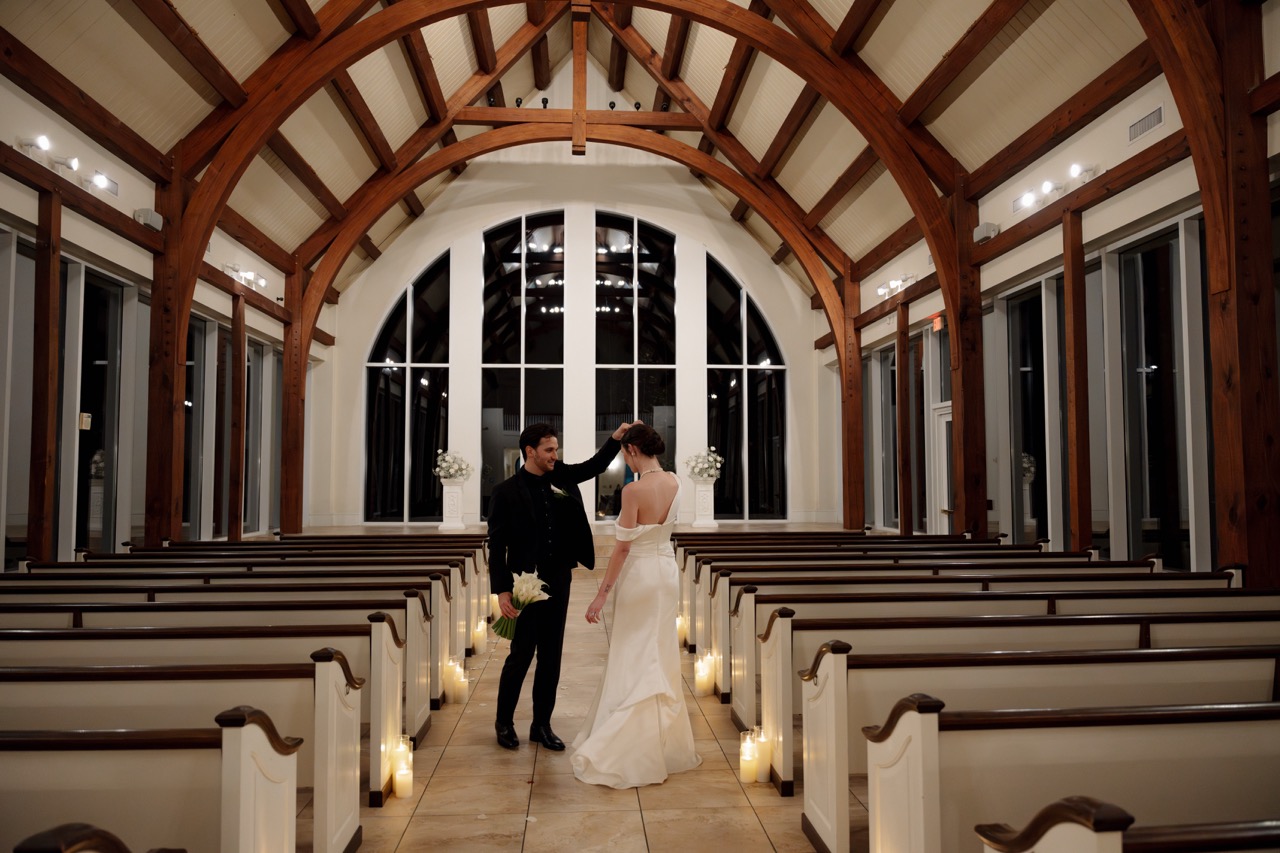
The chapel is the more architectural of the two. Floor-to-ceiling windows run the full height of the room; the ceiling is a barrel vault of exposed oak beams. It's warm, light-filled, and structurally compelling — the kind of room where the architecture does significant visual work before a single arrangement arrives. Florals here don't need to fill the space or compete with it. Ceremony arch treatments in warm ivory, blush, and soft amber echo the oak tones naturally; arrangements that reach for high contrast or cool palettes can feel at odds with the timber and light.
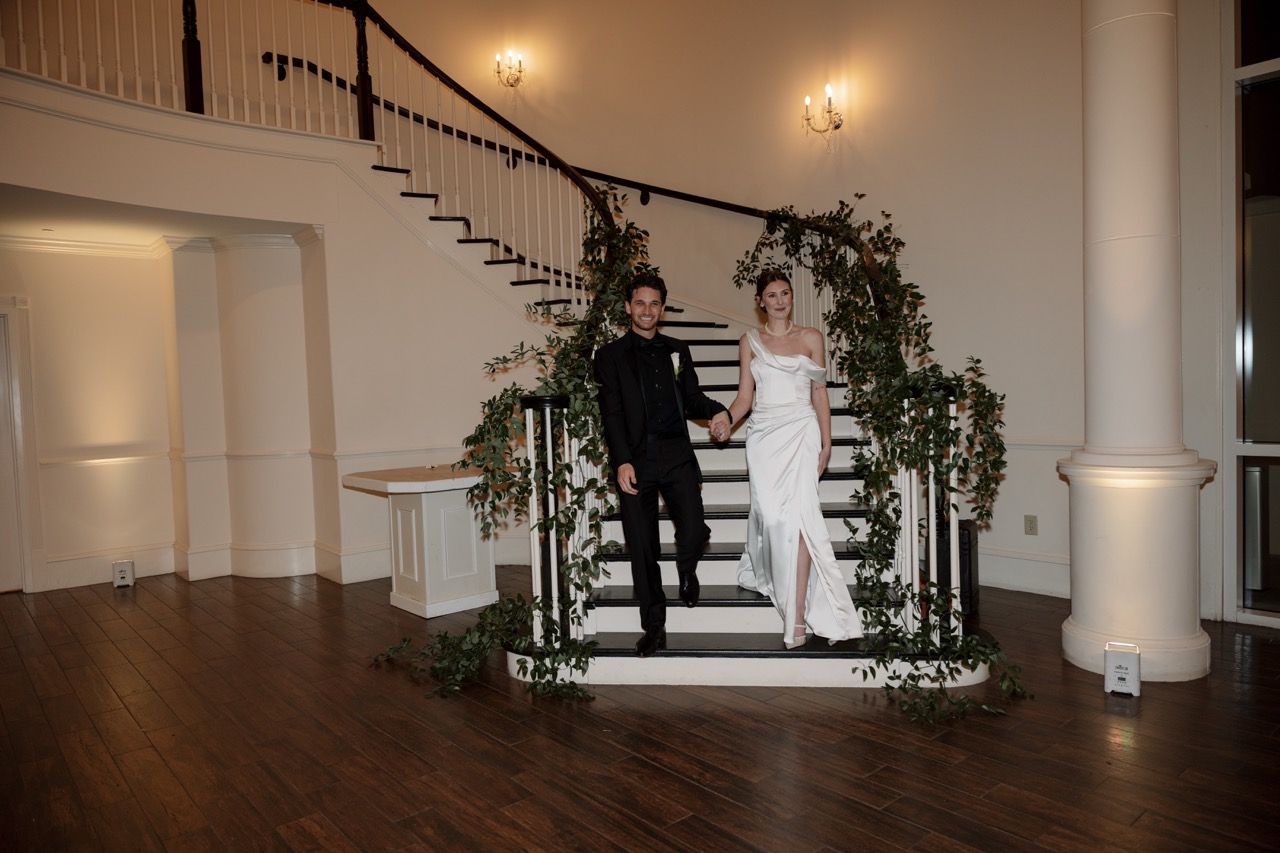
The modern ballroom is a different conversation entirely. Cleaner lines, more neutral surfaces, substantially more ceiling height to work with. This is where scale and overhead treatments have room to make a statement that the chapel doesn't allow — and where the floral vocabulary can depart meaningfully from the ceremony without the shift feeling jarring.
The design opportunity at Ashton Gardens is in that contrast itself: a ceremony space defined by its architecture, followed by a reception space that gives the flowers room to lead.

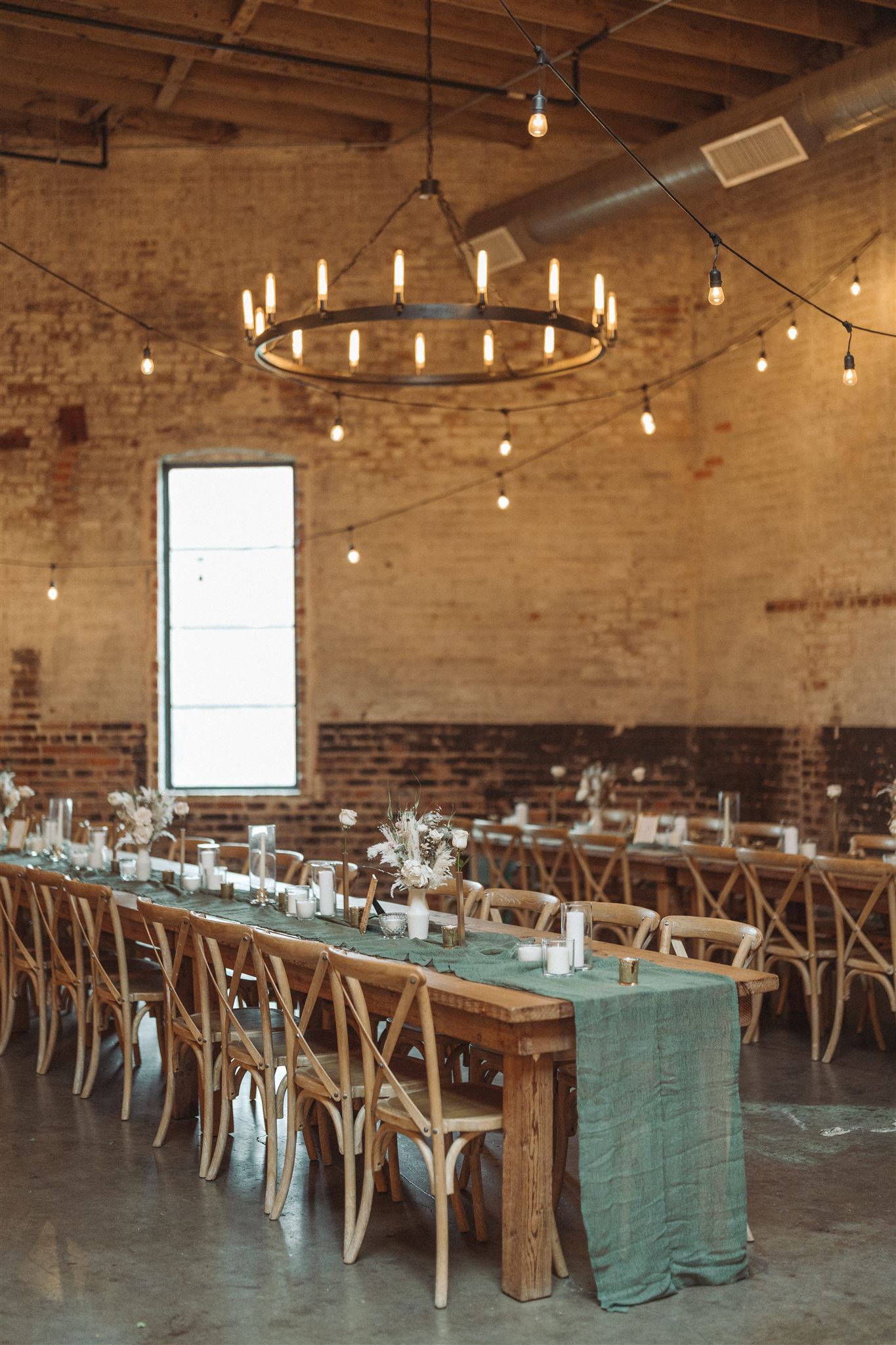
Brake & Clutch Warehouse — A Room With a Strong Point of View
Brake & Clutch is what it sounds like: industrial bones, high ceilings, raw structure. It has a clear character before anything is brought in.
The first design question at Brake & Clutch is the same one every warehouse venue asks: are you working with the space's character or deliberately against it? Both directions are valid. Both require a real answer before any stem is chosen.
Working with it means warm, textural, bold — arrangements with enough visual weight to hold their own alongside steel and concrete. The ceiling height demands vertical ambition; a centerpiece that anchors a traditional ballroom can read as tentative against this much open space. Oversized blooms, natural branches, installations that trace the room's scale from the ground up. Working against it means cooler palettes and cleaner forms — a deliberate contrast that reads as a decision rather than a mismatch, using the industrial backdrop as a foil.
What doesn't land here: anything too small or too delicate. Brake & Clutch has a strong enough character that arrangements need real presence to register alongside it.
Trinity River Audubon Center — Where The Landscape Leads
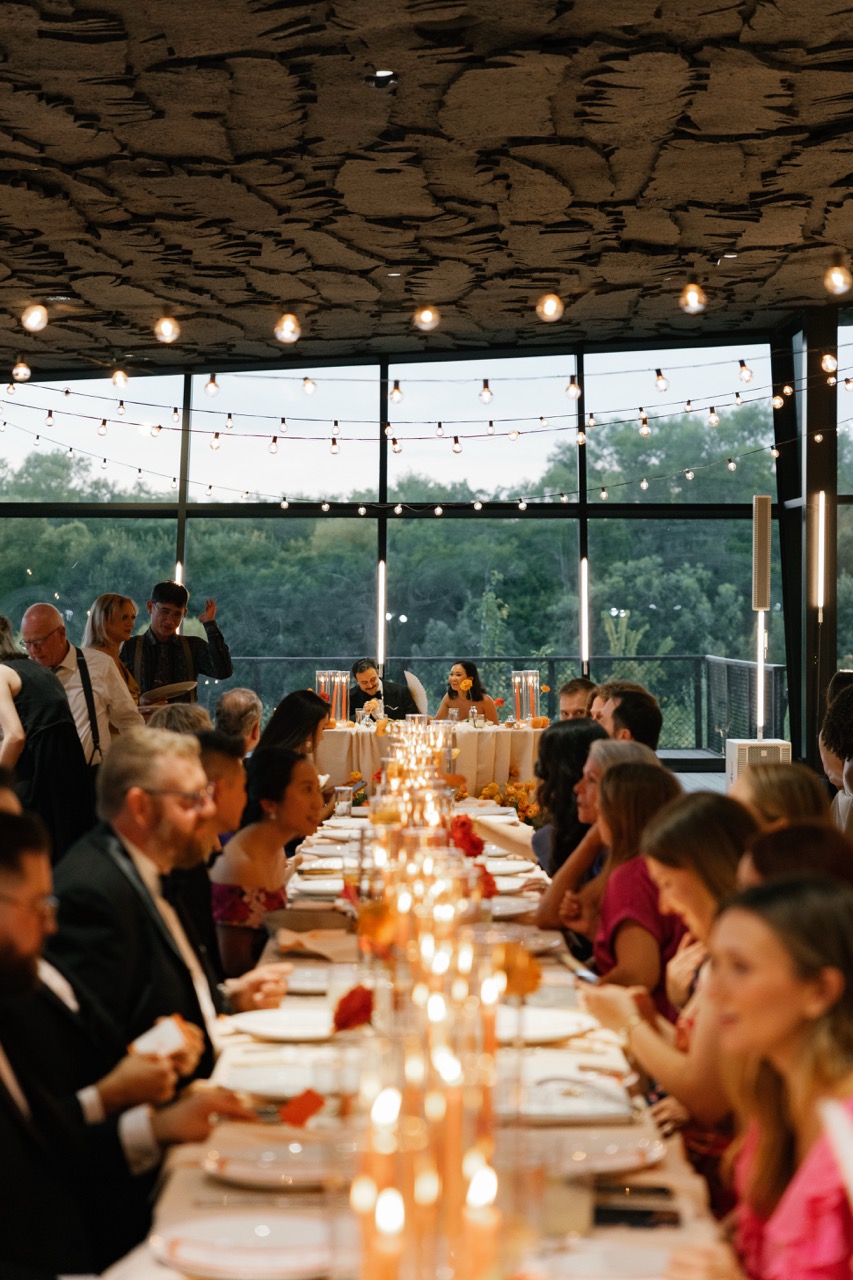
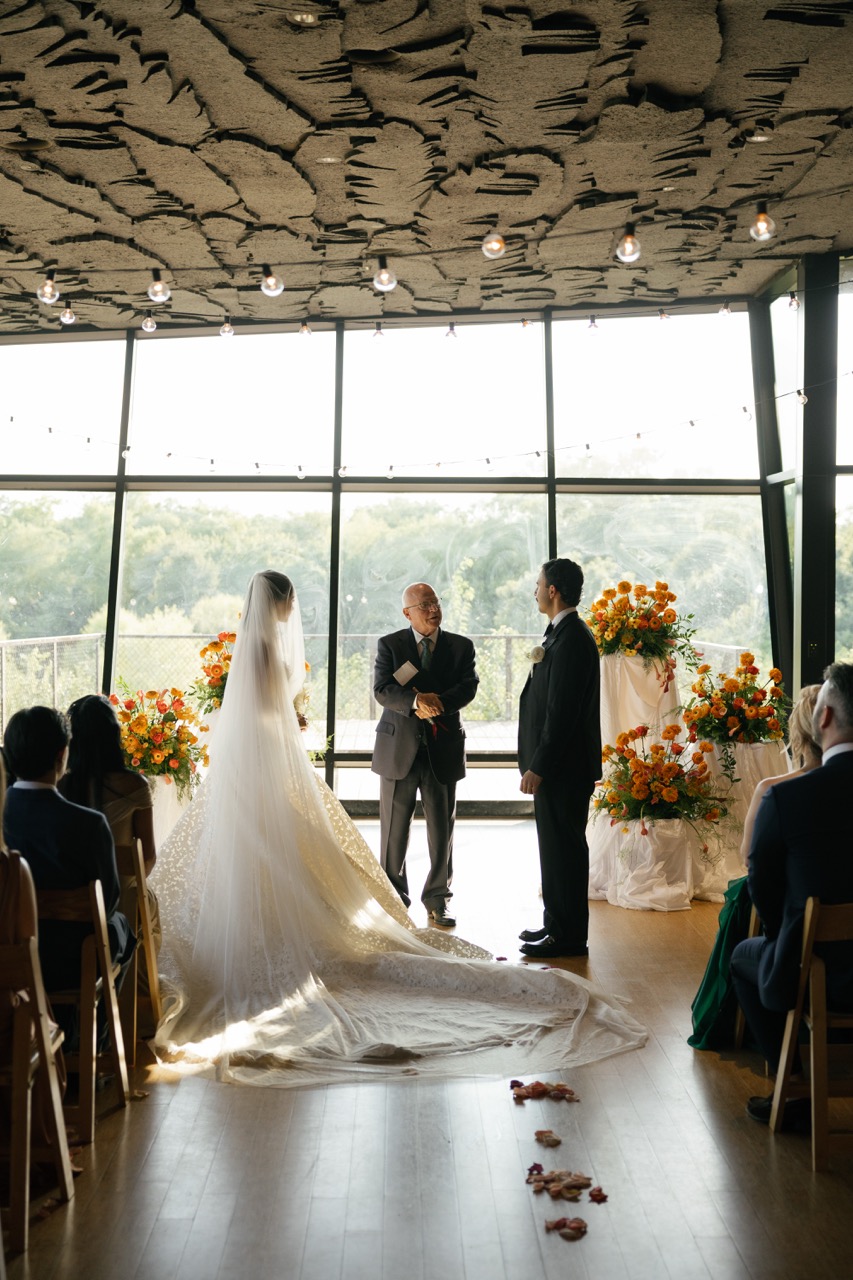
The Trinity River Audubon Center sits on the edge of the Great Trinity Forest — the largest urban hardwood forest in the United States. Indoor and outdoor event spaces overlook the wetlands and tree canopy. This is a nature-first venue in a way that no ballroom or garden estate replicates: the environment isn't a backdrop, it's the design itself.
The floral conversation here starts with restraint. Abundant, formal arrangements that anchor a downtown ballroom read as out of place against a setting this ecologically specific. What works is florals that feel like they belong in the landscape rather than placed in front of it — stems with wildflower character, organic shapes, palettes that echo the surrounding environment rather than contrast with it. Warm amber, rust, soft terracotta, dried textures alongside fresh blooms — the kind of arrangement where you can believe it might have come from the forest edge rather than a farm.
This is a venue where deliberate, well-placed arrangements do more than high-density floral coverage. The setting does more work than any centerpiece could.
The Mason Dallas — Letting the Building Set the Tone
Poppy has worked at The Mason Dallas, a 1920s hunting lodge with original stonework, timber beams, and a century’s worth of character that newer builds rarely have. The room already brings warmth and texture: rough stone, dark wood, low light, and architectural details that don’t need to be covered up.
Florals work best here when they respond to those materials rather than trying to soften them into something else. Warm neutrals, rust, muted peach, and deep berry tones sit naturally against the stone and timber. Branching shapes, garden roses opening at the edges, and amaranthus trailing from low arrangements give the room some looseness without fighting its structure.
This is also a venue where lighting does part of the floral work. As the room shifts from daylight into candlelight, the flowers don’t need to become brighter or larger to hold attention. They need enough texture and depth to keep revealing themselves as guests move through the space.
The full venue breakdown and design approach is in the Mason Dallas feature →.
Four venues, four completely different starting points. That range is the opportunity in Dallas. Once you know what the room is asking for — scale, contrast, restraint, or color with enough presence to register — the floral direction becomes much clearer. Your designer should be able to translate that starting point into flowers that make sense for your particular venue.
Full-service wedding florals in Dallas start at $1,750 with Poppy. From there, your proposal reflects your guest count, the scale of your arrangements, and the specific demands of your venue.