


Featured Weddings
A Colorful “Alien Invasion”: Riley + Vikram’s Colorado Winter Wedding
Featured Wedding
Winter wedding flowers with a bold, non-traditional palette
Riley didn’t start with a clear vision.
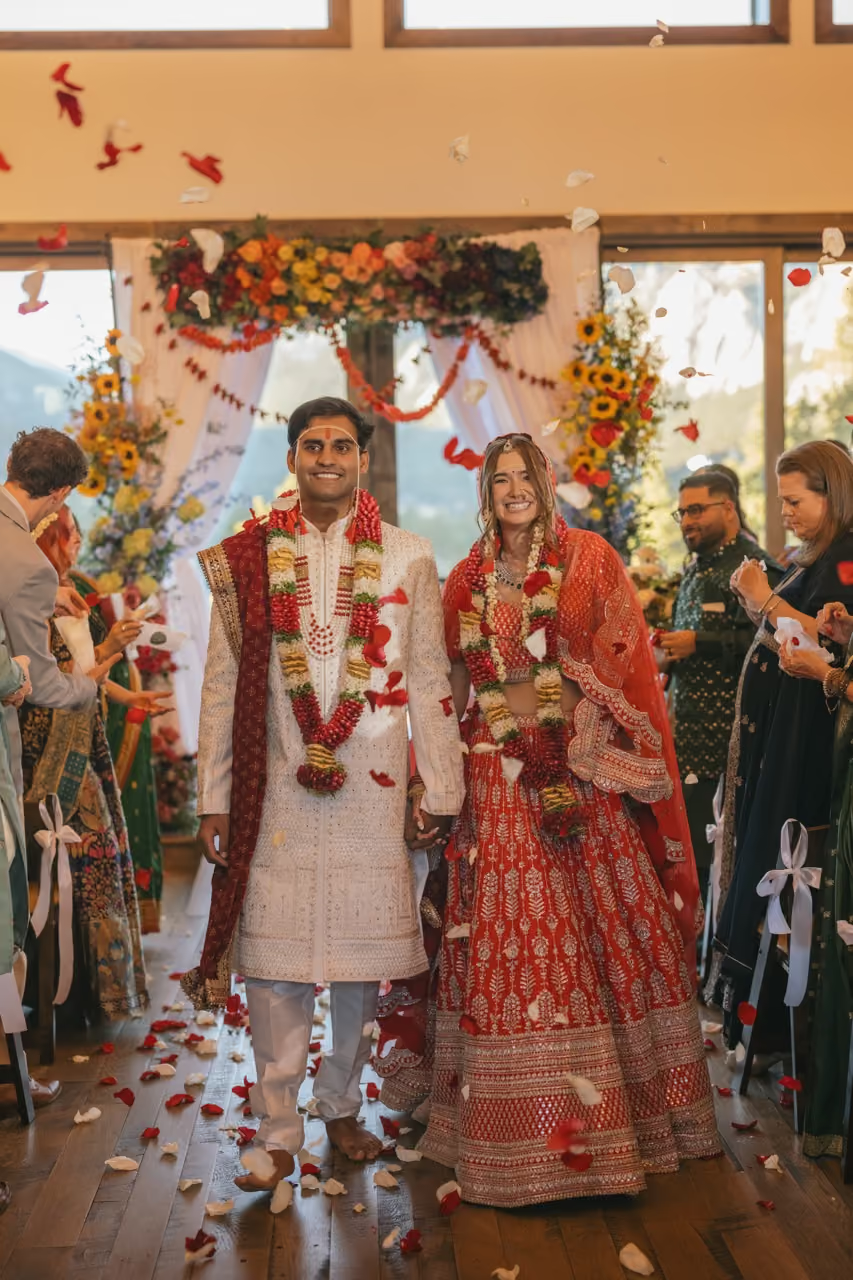
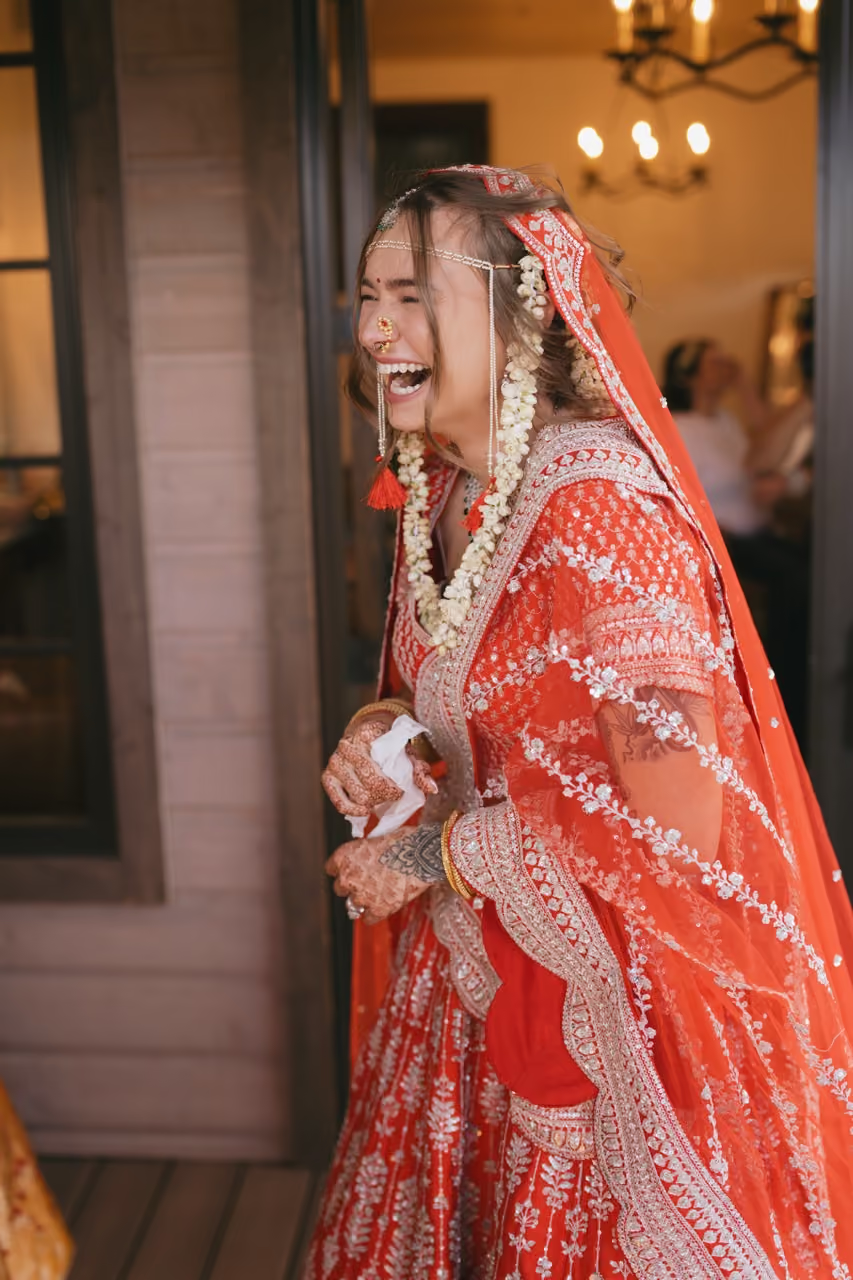
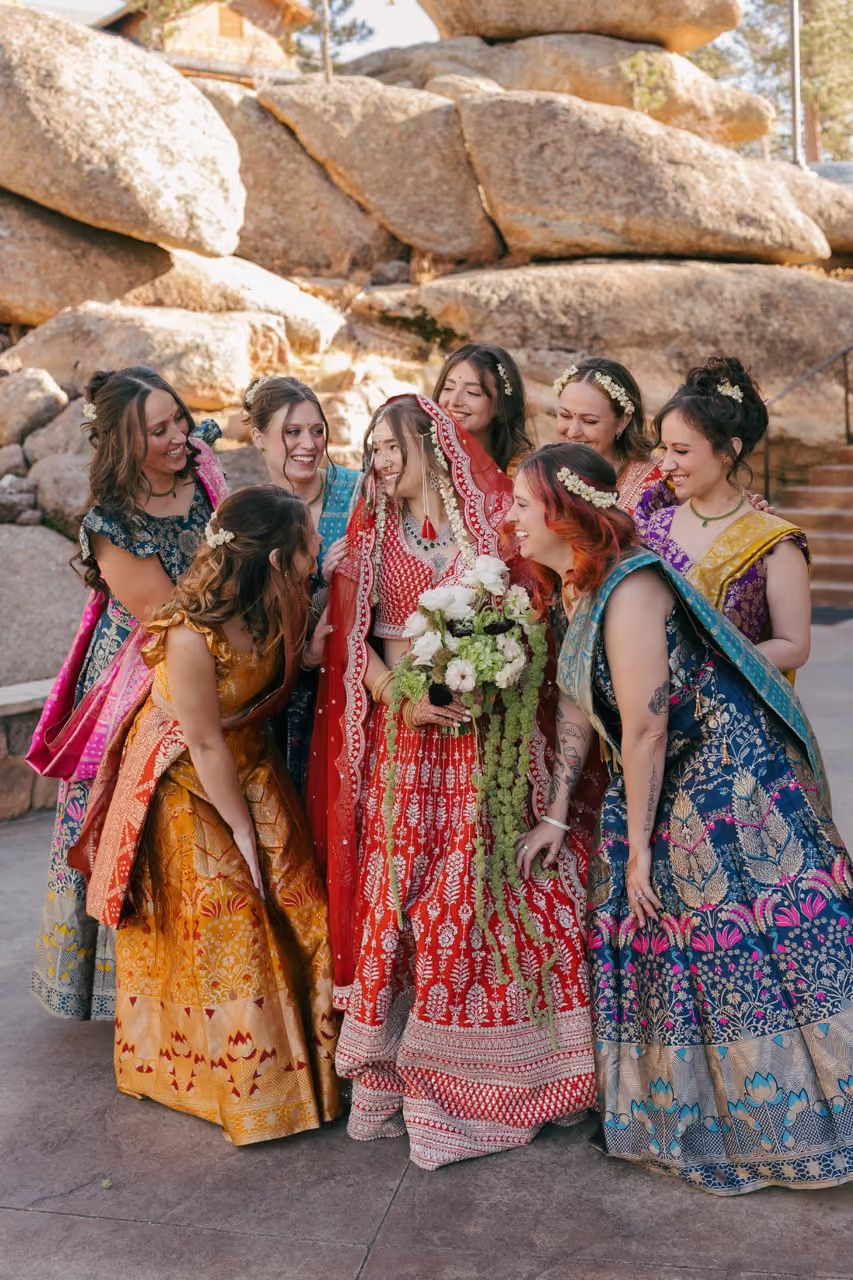
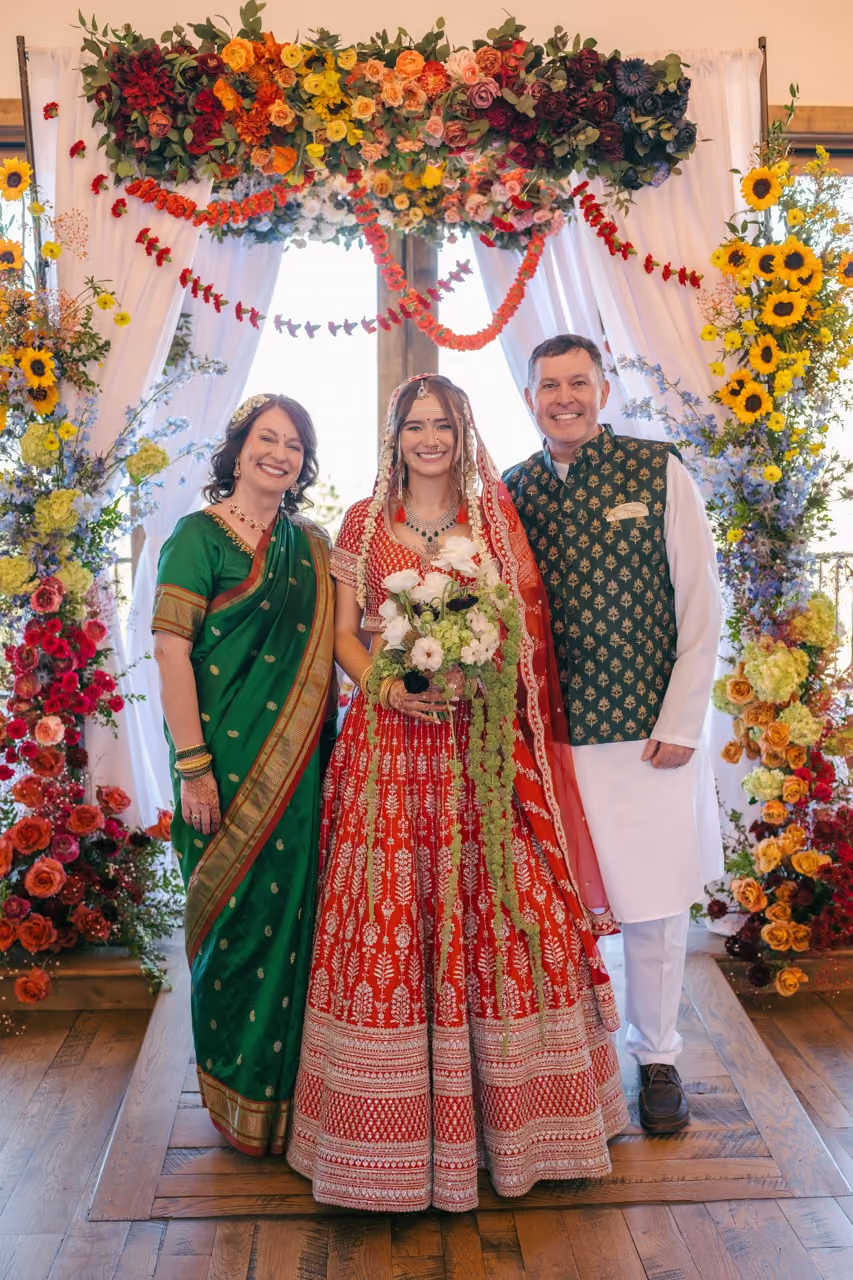
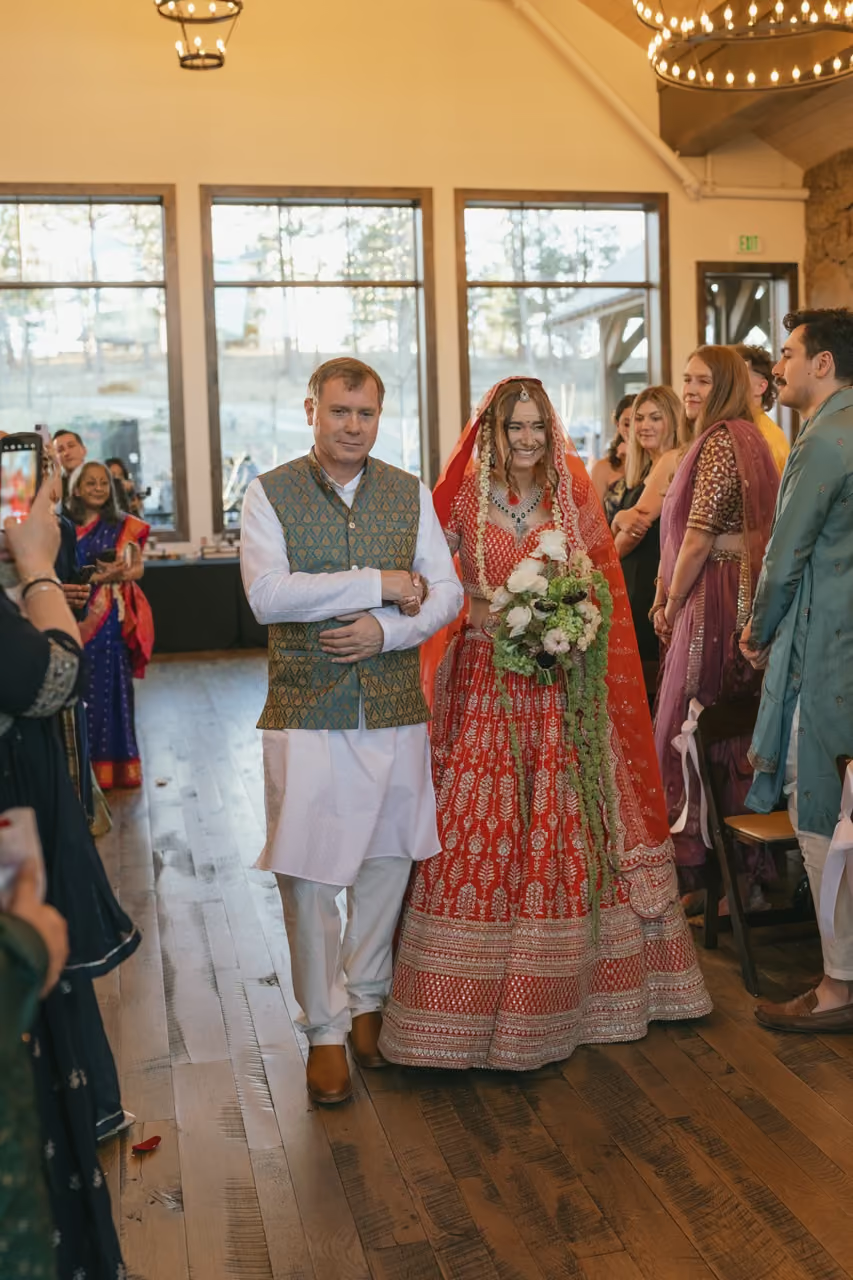
Her winter wedding at The Black Canyon Inn in Estes Park, Colorado felt like stepping into a completely imagined world—one built entirely around color, texture, and mood.
She had a rough palette—white, burgundy, Indian red, a few light pinks—and a lot of open questions. No finalized outfits. No fully formed direction. Just a sense that she wanted something colorful, expressive, and personal.
A single conversation with her florist changed everything.
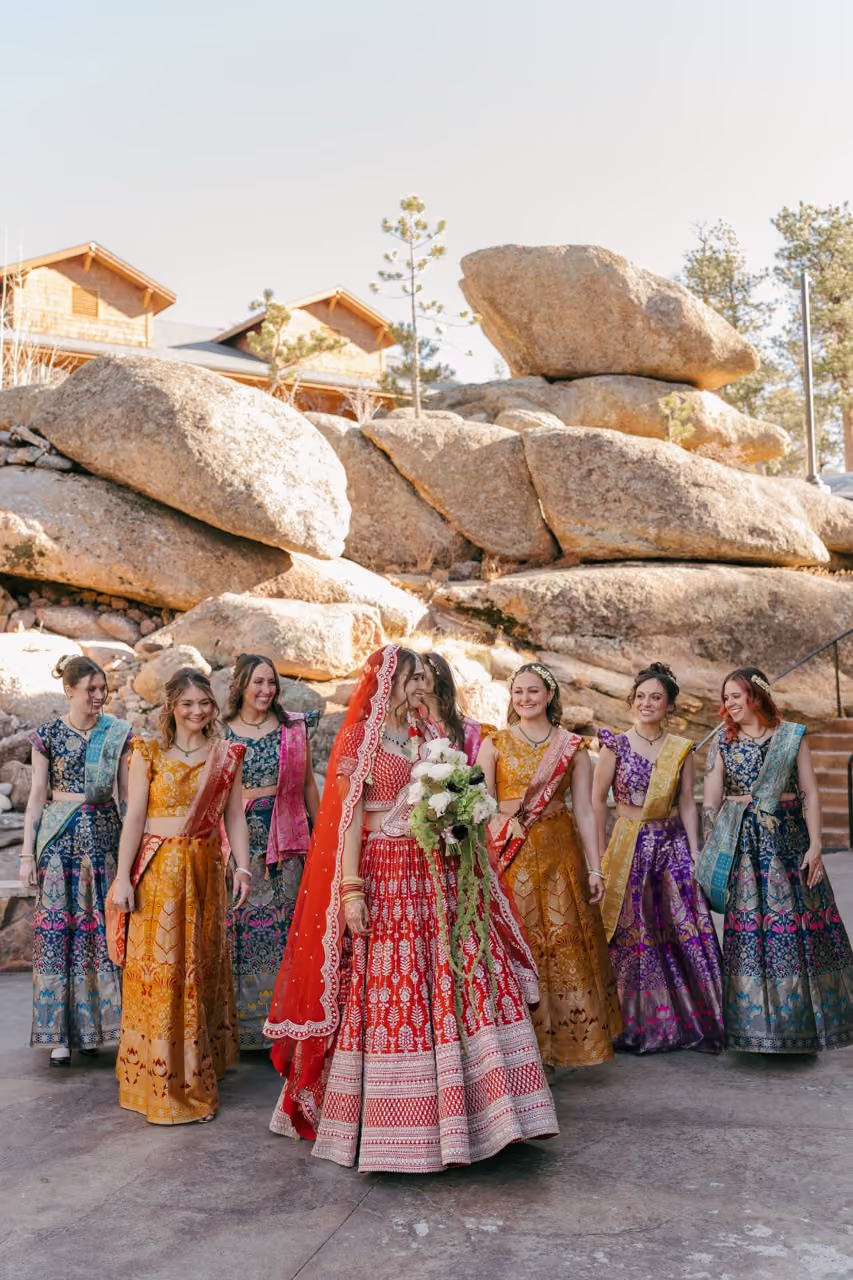
“She helped me pick individual colors out of all the dresses to create an entirely new color palette — and the palette became what I sent to our other decorators, our wedding coordinators, our venue.”
That palette became the visual foundation of the entire wedding.
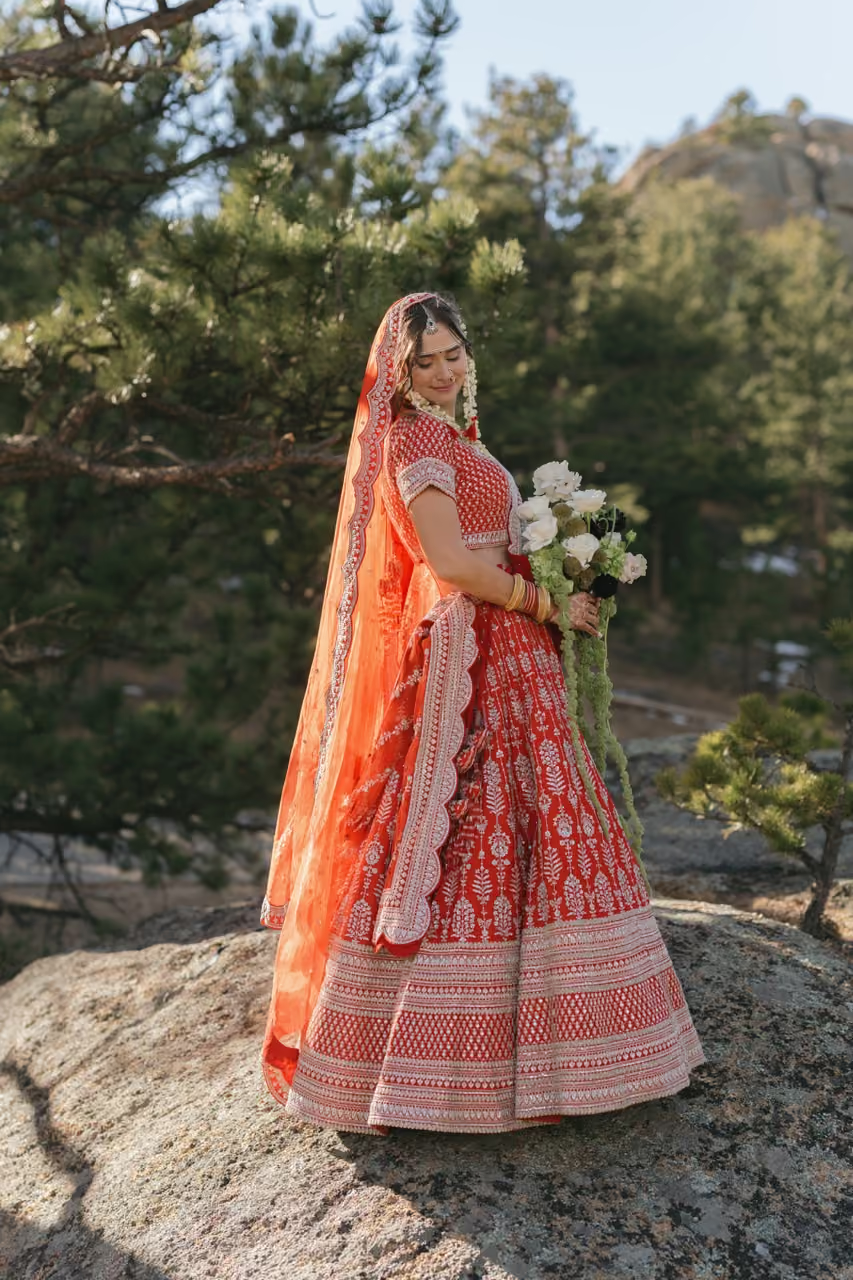
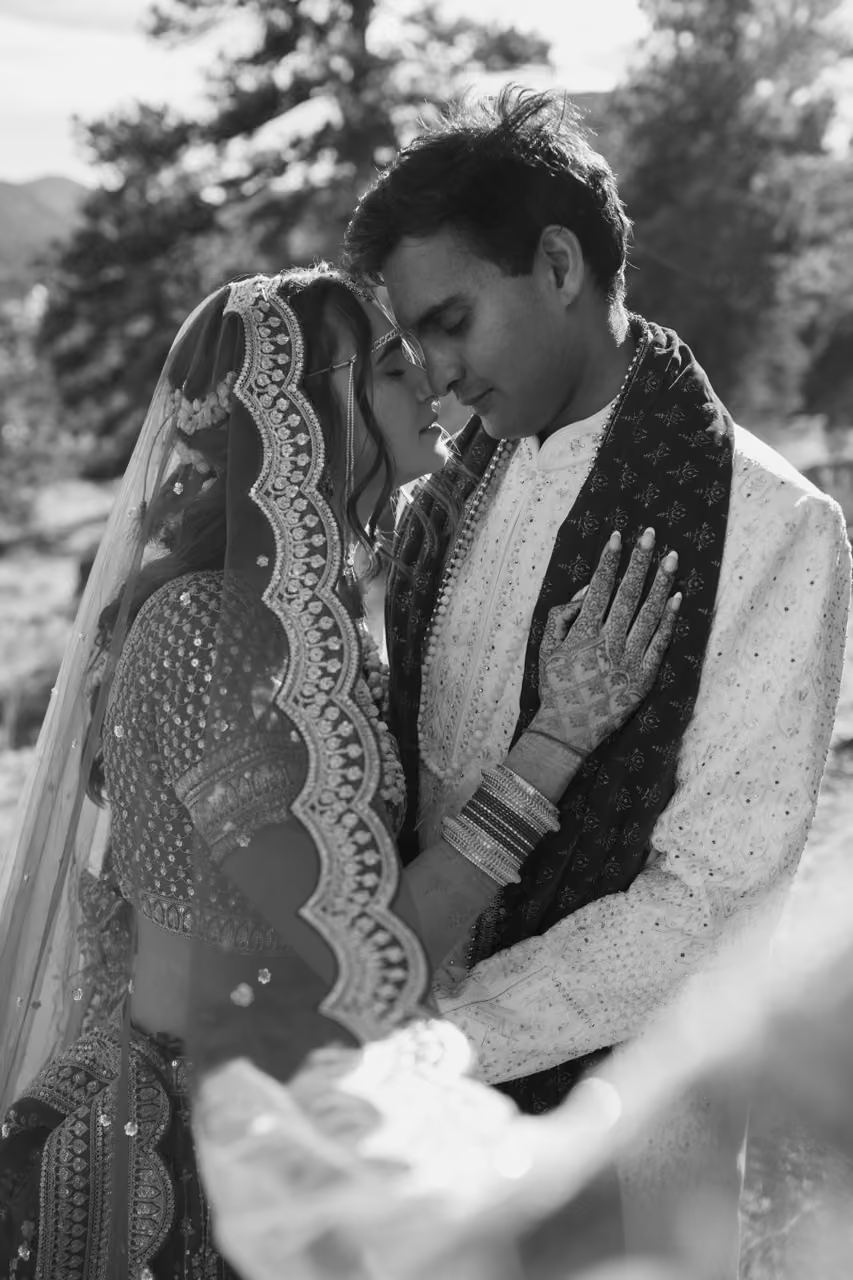
Against the backdrop of the mountains in Estes Park, those colors felt even more vivid—shifting with the light throughout the day.
It wasn’t just aesthetic—it gave every other decision a place to start.
Not just flowers. Everything.
A colorful winter wedding that didn’t follow seasonal rules
The setting could have pushed the design in a very different direction.
Colorado. Winter. Snow-covered mountains.
But Riley wasn’t interested in soft, seasonal color. She wanted something saturated, high-energy, and specific to them.
“A colorful alien invasion.”
The challenge wasn’t choosing color—it was choosing the right color, and understanding how it would actually read in the space.
Once the palette shifted, everything else started to make sense.
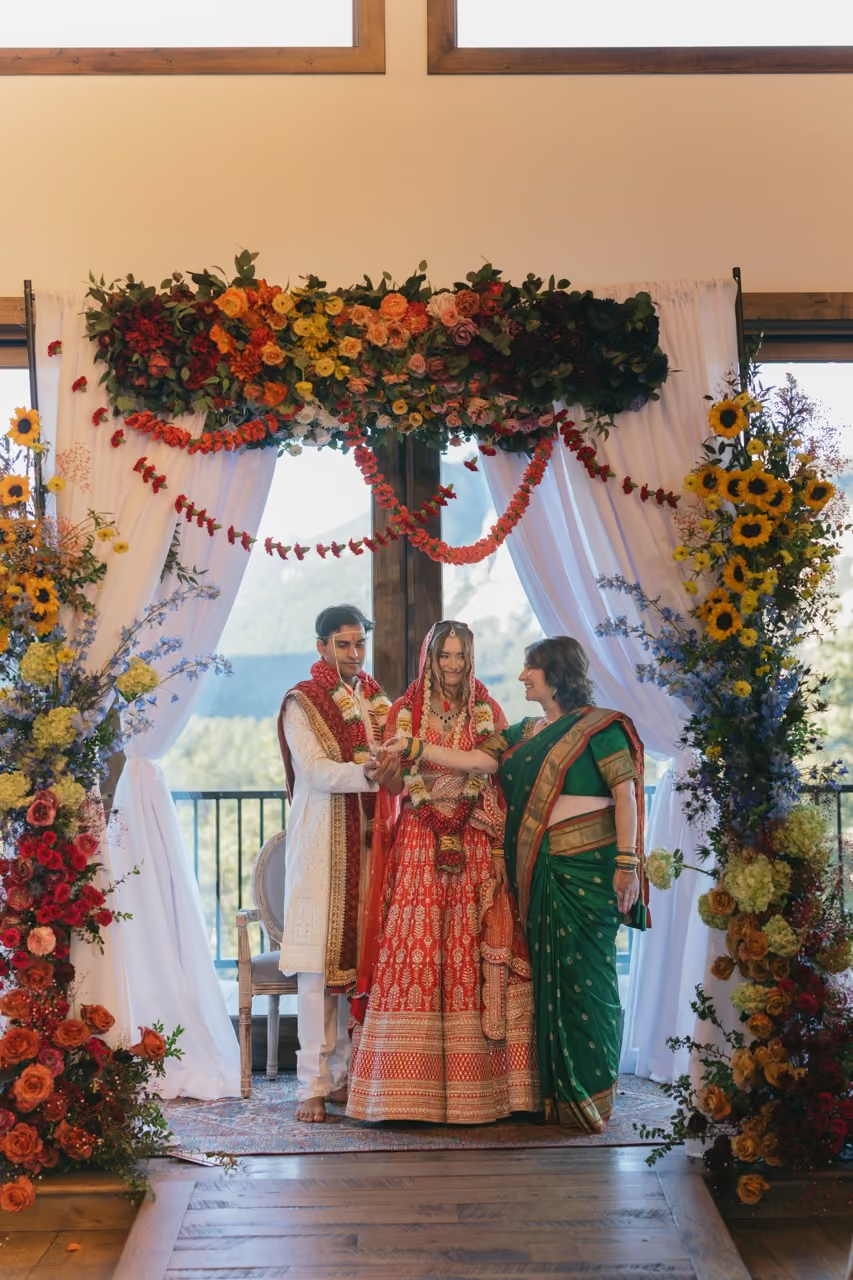
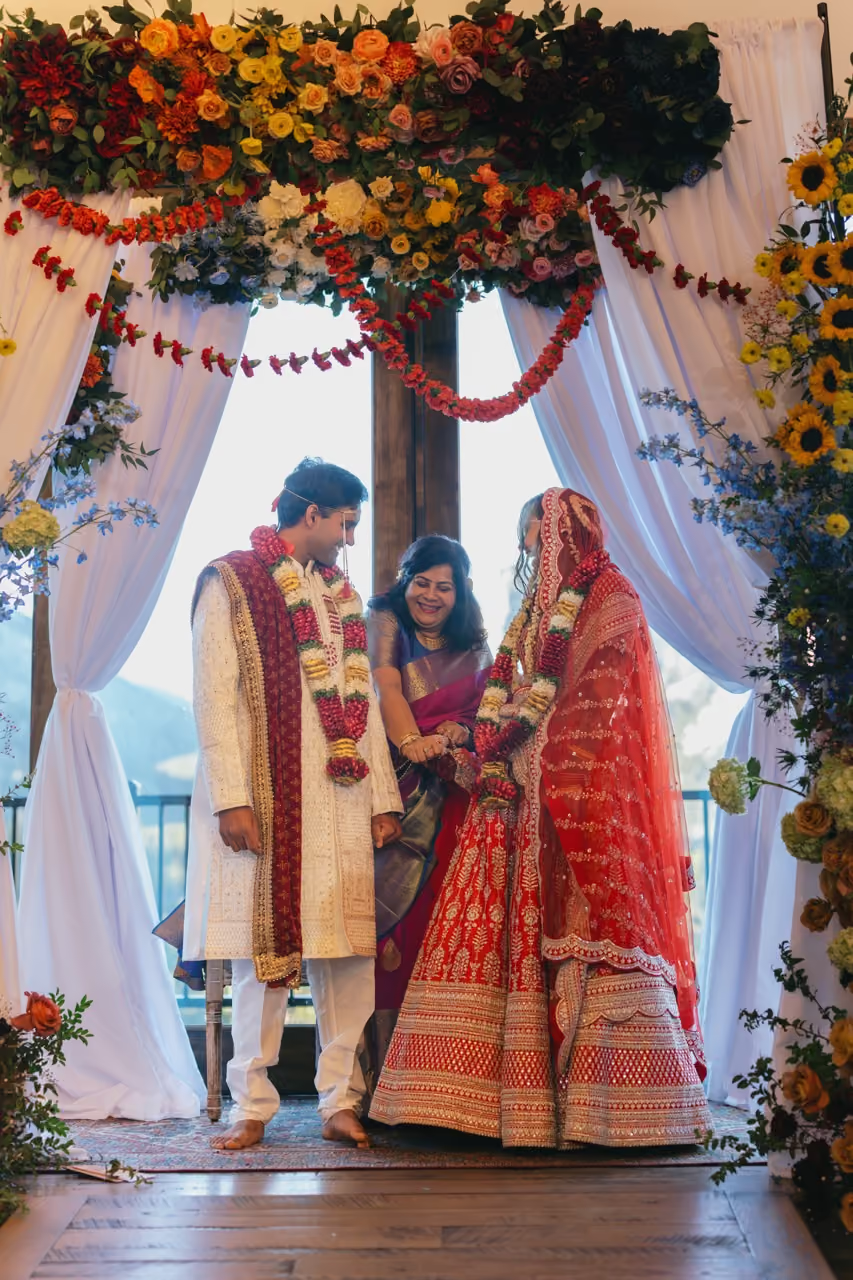
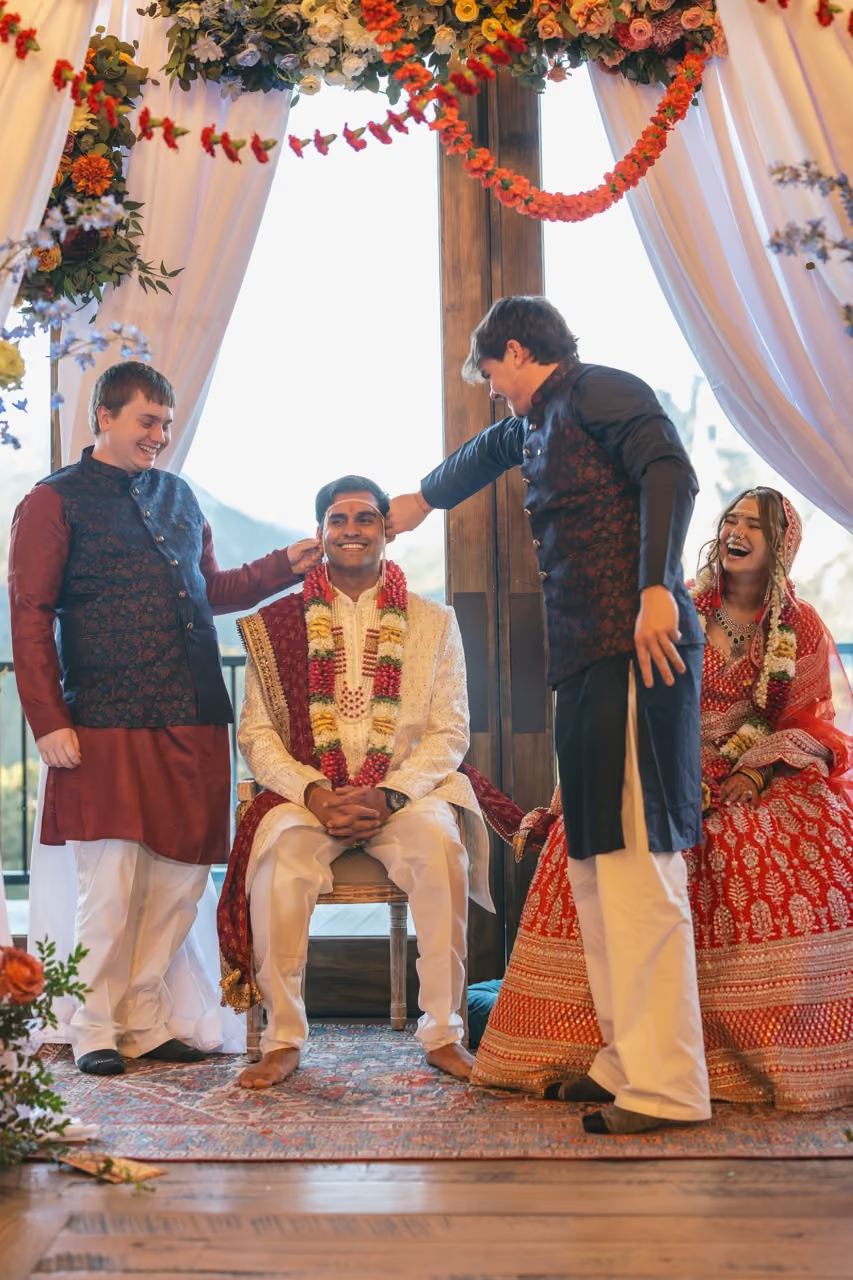
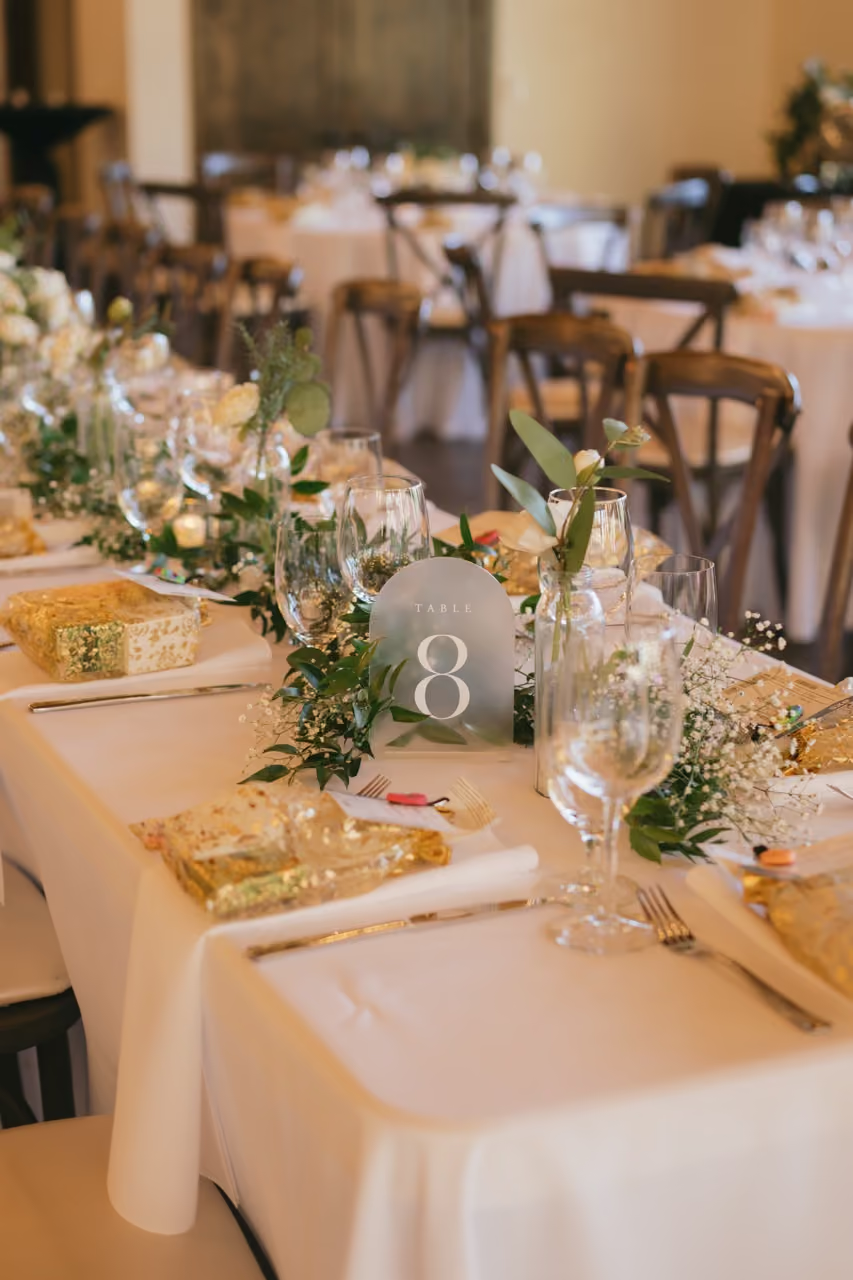
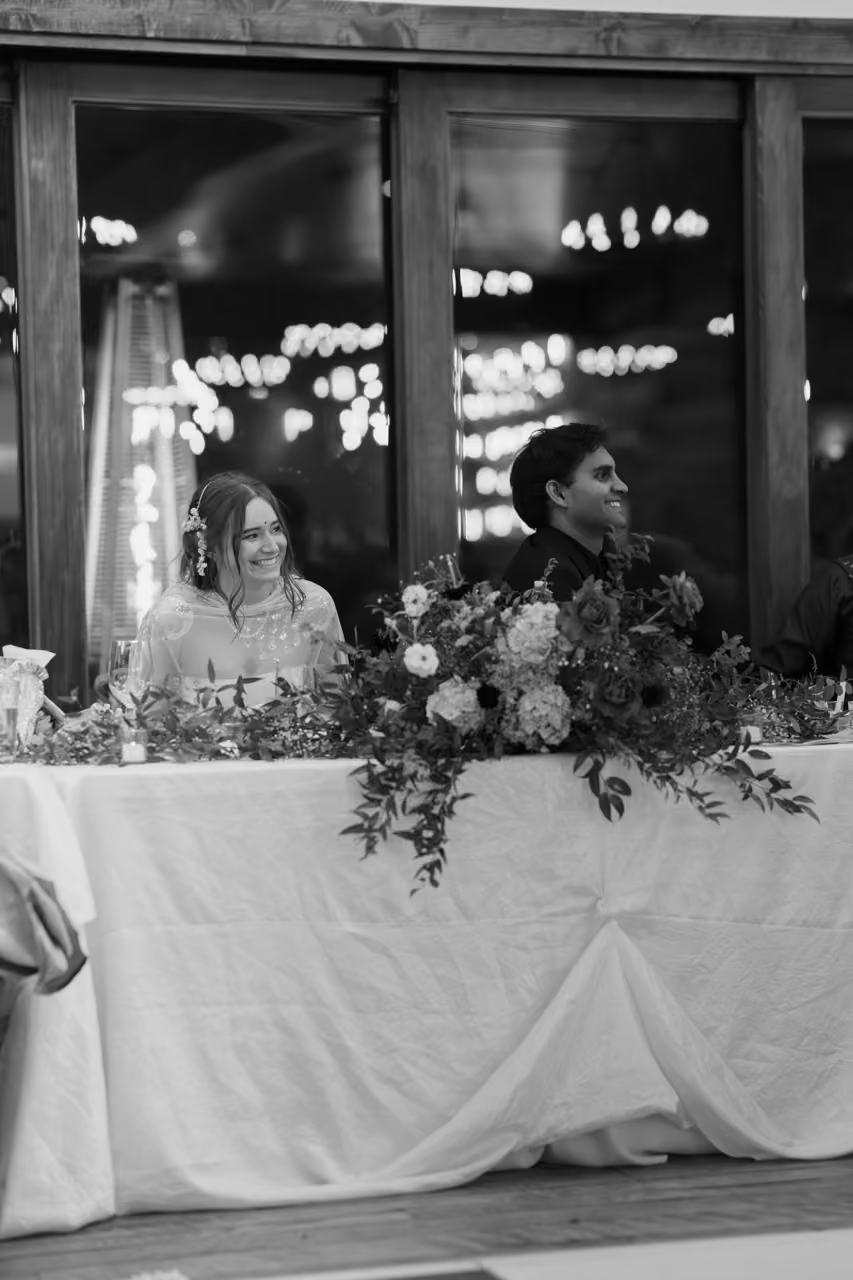
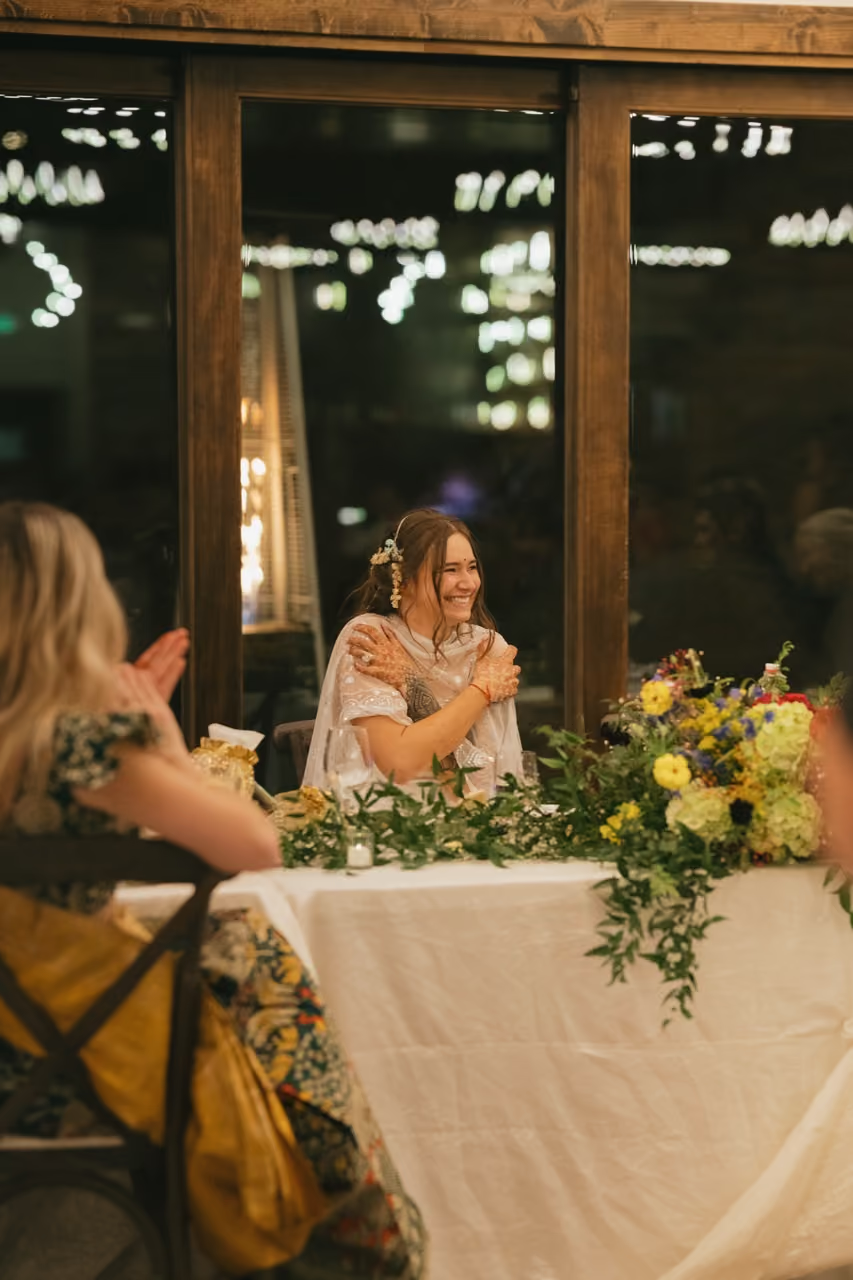
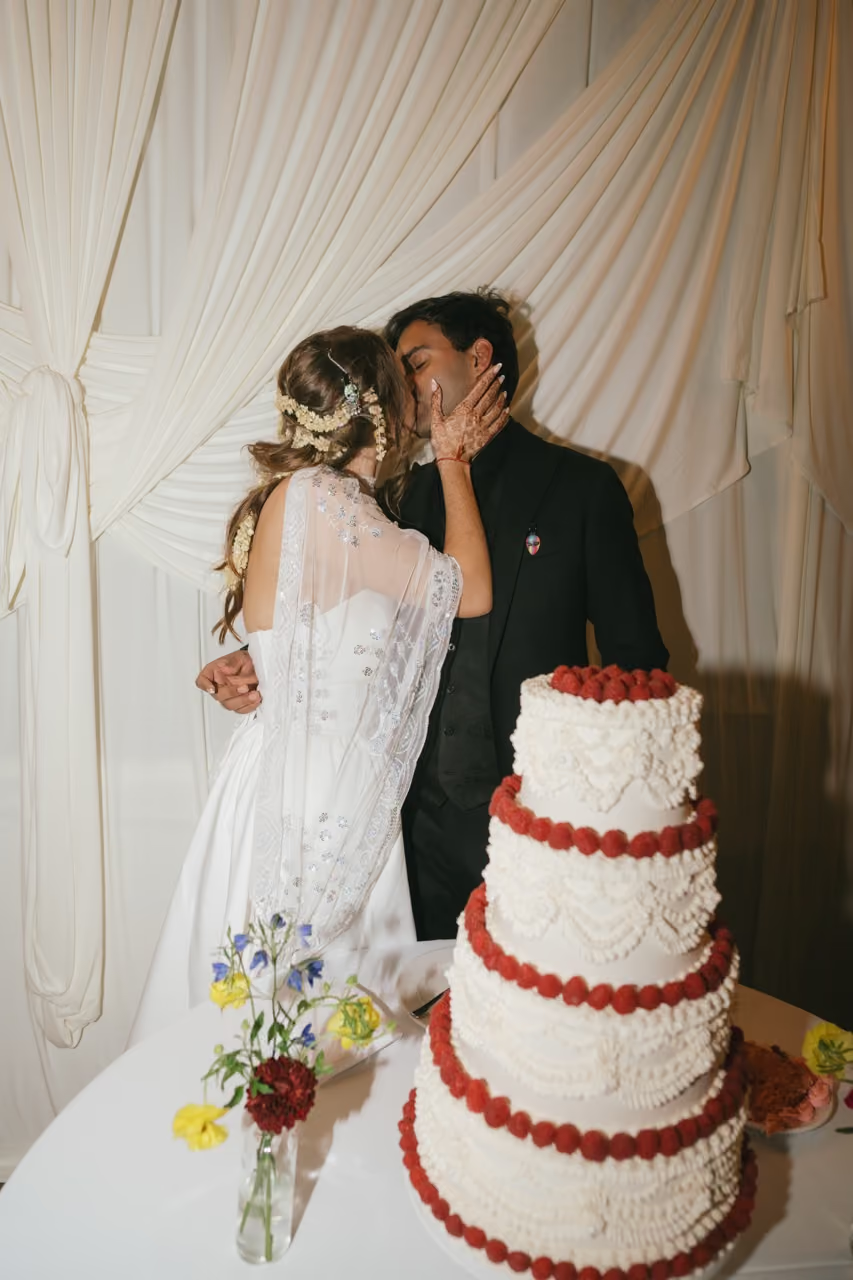
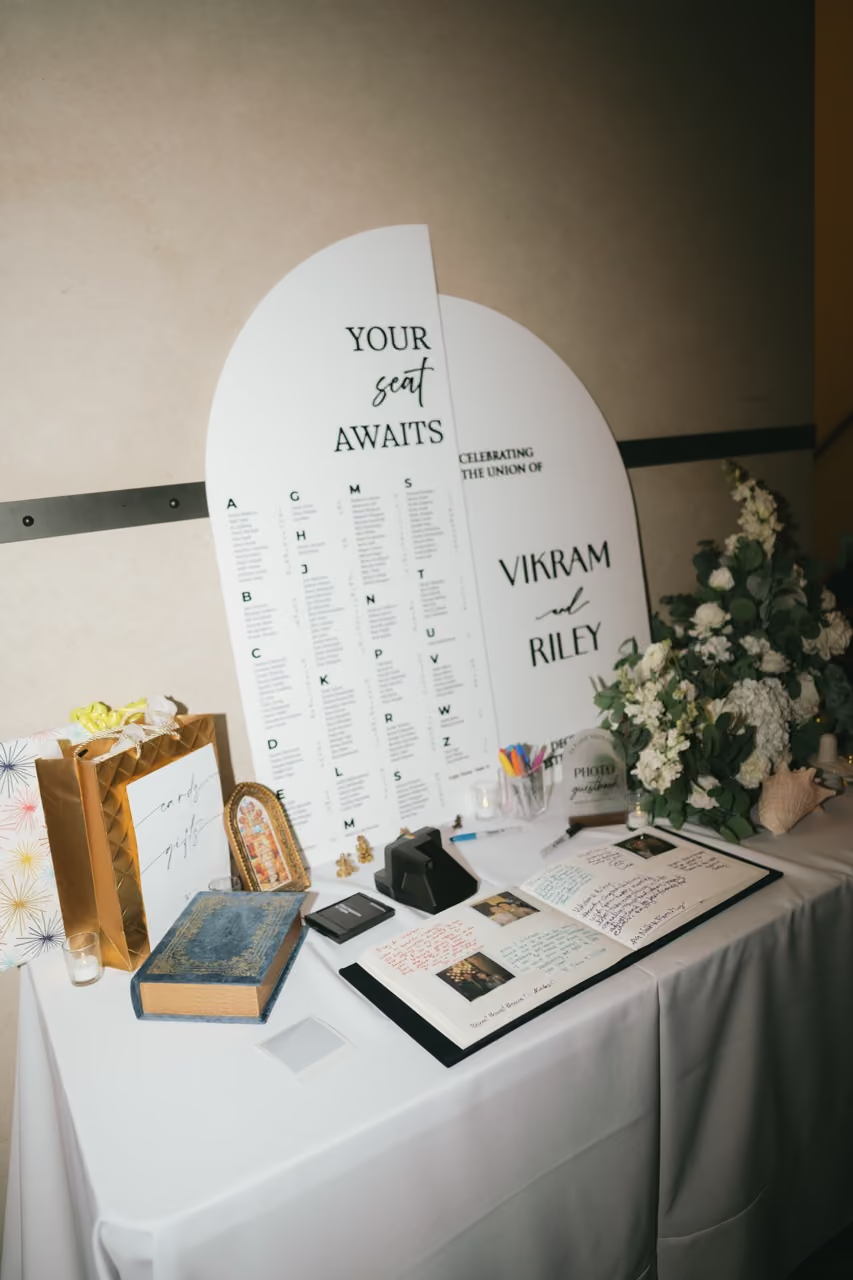
Mandap floral design: the structure that defined the day
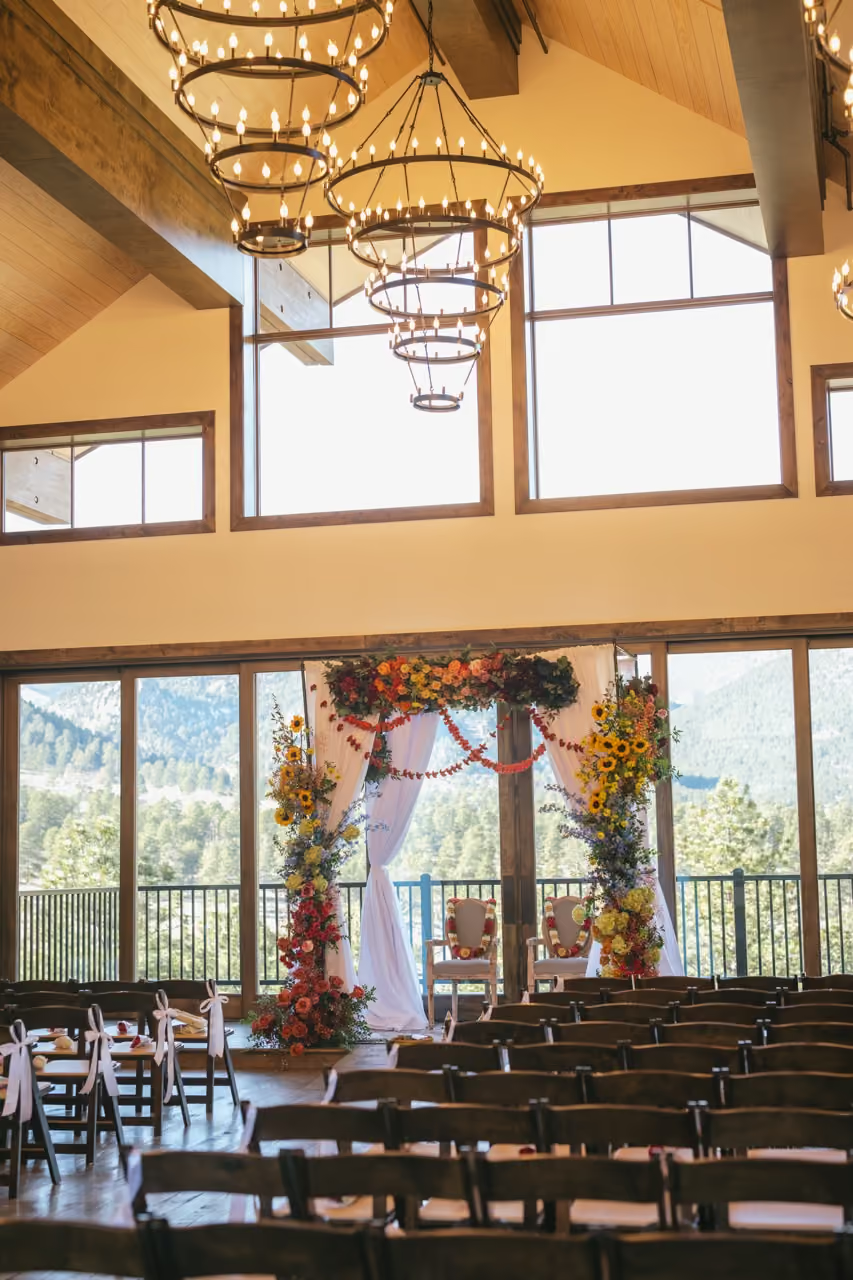
In traditional Indian weddings, the Mandap is the ceremonial structure where the couple is married. It’s often designed as a focal point that frames the entire ceremony.
Here, it became something more.
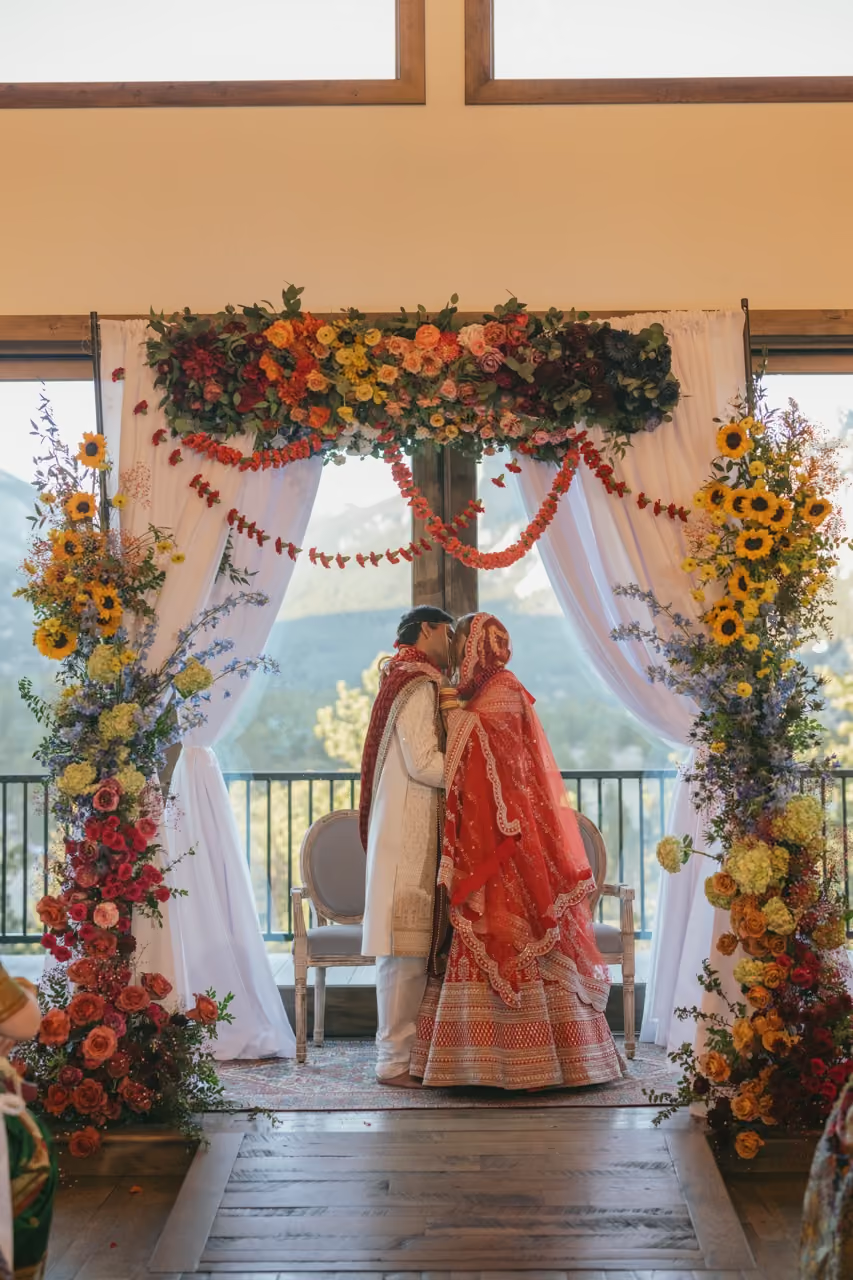
The Mandap wasn’t an accent. It was the center of the design.
It wasn’t one element among many—it was the structure everything else responded to.
Custom-built and layered with both fresh and artificial florals, it created a visual anchor that carried through the entire event.
“My jaw hit the floor when I saw it in the morning.”
Set against the snow-covered mountains at The Black Canyon Inn, with draping and dense floral detail, it didn’t just sit in the landscape—it extended it.
Guests noticed immediately.
“Everyone is walking up and taking photos of your Mandap.”
What it felt like inside the ceremony space.
From the outside, the Mandap was striking.
From the inside, it changed the experience entirely.
“While we were sitting inside of it looking out, we were almost in a spaceship... it really did act as this catalyst to transition us through the portal of our huge life transition.”
Floral installations extended overhead, creating movement and dimension—not just around the couple, but above them.
“Sarah had set it up so these formations were dropping on us. And so I was looking up, and I really felt like I was in sort of a cartoon.”
It wasn’t just visual. It was immersive.
Fresh and artificial wedding flowers: how they worked together
Large-scale ceremony structures often require a mix of materials.
For this wedding, Poppy designed the fresh florals, which were used in the most visible, high-impact areas. Artificial elements sourced separately were incorporated to support scale and structure.
The result felt cohesive while staying within budget.
“Even though it looks like we spent just luxury amounts of money on our floral design, we were at the exact budget that we had set at the beginning — and that was a very reasonable amount.”
This approach allowed the design to feel expansive without becoming excessive.
Related: How to mix fresh and faux wedding flowers
Non-traditional wedding color palette (and why it worked)
It’s easy to think of color as a finishing touch.
In this case, it was the decision that made everything else click.
Once the palette was established, it guided every other vendor:
- Decor
- Coordination
- Layout
- Overall styling
It gave structure to decisions that might otherwise feel scattered.
If you’re early in planning, this is often the shift that makes everything easier.
Related: How to choose your wedding flower palette
Related: Find your perfect bouquet silhouette
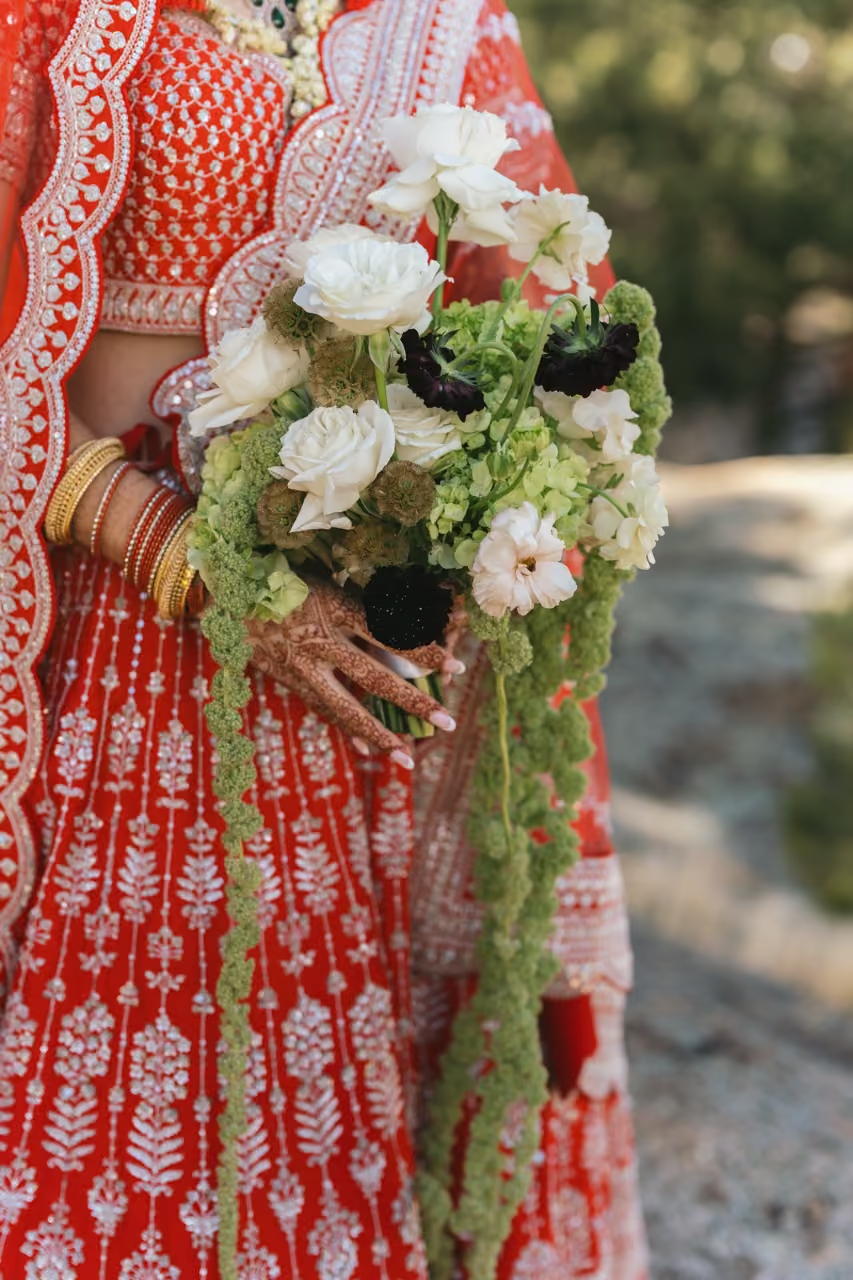
Amaranthus and texture: building depth into bold florals
One of the ways the design avoided feeling flat or overly “color-blocked” was through texture.
Trailing elements and layered forms added movement, especially in the ceremony structure.
Stems like amaranthus—which naturally create movement and drape—help create that sense of depth, especially in larger installations where vertical and overhead space matters.
Color creates impact. Texture makes it dimensional.
Wedding florals on a budget that still feel high-impact
Before booking, Riley explored other florists.
The experience was consistent—and frustrating.
“There was no other company that was willing to be so upfront with their pricing... all of their quotes were enormous, and there was no clearly defined reasons why.”
What stood out wasn’t just cost—it was clarity.
Being able to see pricing, adjust scope, and understand tradeoffs made decision-making easier.
“When I was showing Vikram’s parents the website and the ease in adding and subtracting things, how transparent everything was... it was very easy for them to understand why Poppy was the best choice.”
That transparency is what allowed them to stay aligned with their original budget—without sacrificing the outcome.
The takeaway: your floral vision doesn’t have to be fully formed
Riley didn’t start with a fully defined idea.
She didn’t need to.
The turning point wasn’t having a vision—it was working with someone who could help shape it.
From a loose palette to a fully cohesive design system, the process was collaborative and grounded in real decisions, not guesswork.
And the result felt specific. Personal. Intentional.
Not because it followed a formula—but because it didn’t.
Planning your own wedding flowers?
You don’t need everything figured out to get started.
A few saved images, or even just a sense of what you’re drawn to, is enough to begin.
Explore more real Poppy weddings
Not sure what flowers actually cost? Start with this guide.