
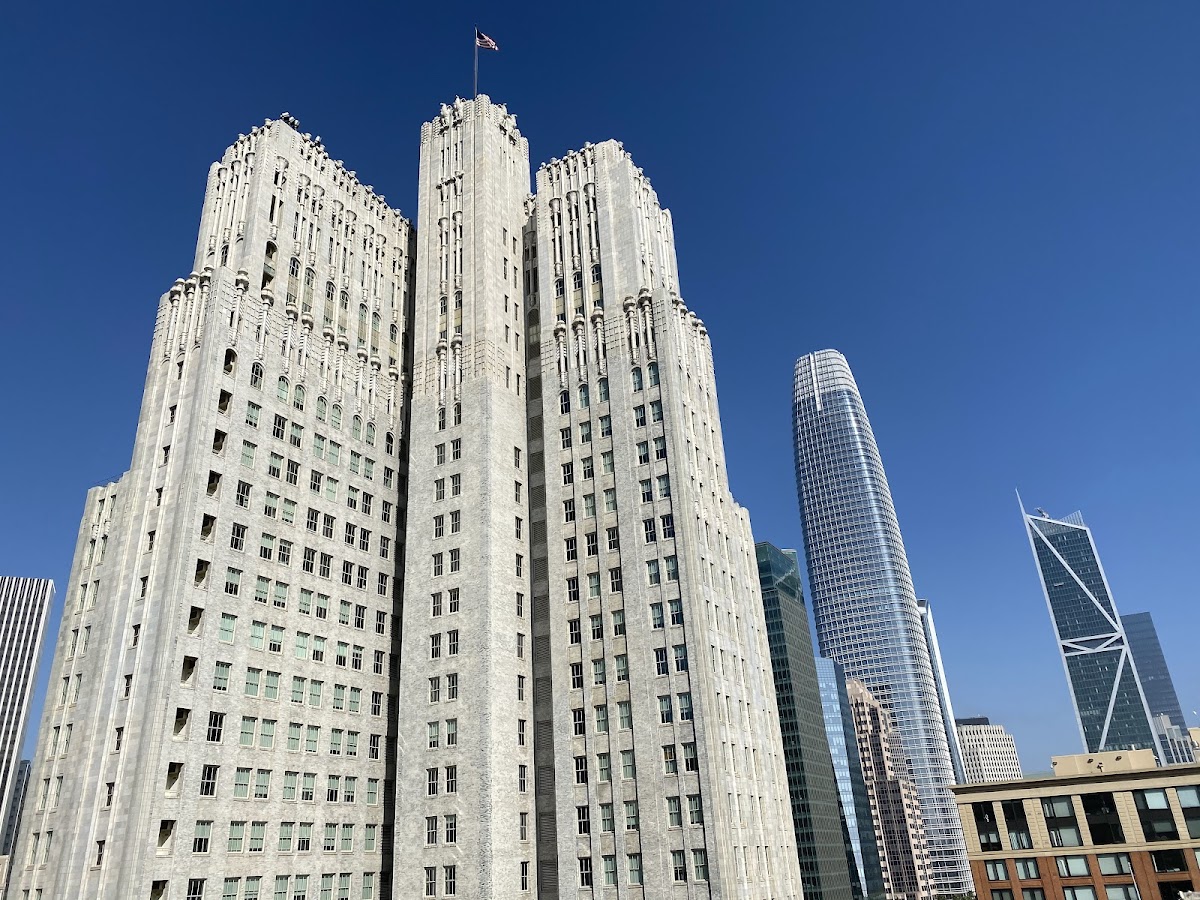
Designing for the San Francisco Museum of Modern Art requires a departure from traditional wedding aesthetics in favor of a curated, gallery-ready mindset. Here, flowers are not merely decor; they are temporary art installations that must hold their own against Snøhetta’s minimalist architecture and a world-class contemporary collection.
The primary challenge and opportunity at SFMOMA lies in the “less is more” philosophy. The venue’s clean white walls and geometric hardscaping demand intentionality. Every stem must serve a purpose, and every arrangement should feel sculptural rather than filler-heavy. We know this venue well from our work here, and the key to success is navigating the museum’s rigorous protection protocols while maximizing the visual impact of its vast, open spaces.
The Spaces
Galleries
The galleries are the heart of the museum, offering a blank-canvas backdrop of white walls and controlled lighting. These spaces are designed to showcase art, meaning your floral designs must be equally curated.
- What works: Sculptural, ground-level installations that appear to “grow” from the floor-to-wall transitions. Monobloom clusters—large groupings of a single flower type like Calla Lilies or Anthurium—create a high-impact, modern look that mirrors the intentionality of the surrounding art.
- Skip: Traditional garden-style arrangements with heavy greenery and “filler” flowers. These can look messy and out of place against the precision of the gallery walls.
- Watch out: Rigging is strictly prohibited in these spaces. Do not plan for hanging installations or anything that requires attachment to the walls or ceiling.
- Budget hero move: Focus your entire gallery budget on two massive, freestanding floral pillars at the head of the aisle. They provide a focal point without cluttering the room.
Rooftop Garden
The Rooftop Garden offers an urban oasis with panoramic views of the San Francisco skyline and the museum’s striking architecture. It is a hardscaped space that requires a strategic approach to soften its edges.
- What works: Low-profile, heavy-weighted floor meadows that follow the geometric lines of the plaza. These provide color and texture without obstructing the city views.
- Skip: Tall, top-heavy arrangements on slender pedestals. The wind exposure on the rooftop is moderate to high, and these are a significant tipping hazard.
- Watch out: The hardscaped surfaces mean everything must be freestanding. You cannot stake anything into the ground, and water management is critical to avoid slipping hazards on the stone.
- Budget hero move: Utilize the existing architectural features, like water elements or built-in seating, as “anchors” for small, impactful clusters of blooms.
Event Space (Reception Hall)
Unlike the galleries, the dedicated Event Space features high ceilings and visible rigging points, making it the primary location for vertical design.
- What works: Large-scale hanging installations. A suspended “cloud” of dried or sturdy fresh florals can define the dance floor and fill the vertical volume of the room.
- Skip: Small, petite centerpieces that get lost in the sheer scale of the high ceilings.
- Watch out: While rigging is possible, it requires advanced coordination with the museum’s facilities team and specific vendor insurance.
- Budget hero move: One singular, massive hanging installation over the bars or dance floor, paired with simple bud vases on the tables.
Cafe/Bar Area
This space often features darker materials, such as marble walls and more ornate ceiling details, providing a moodier contrast to the bright galleries.
- What works: High-contrast color palettes. White or neon-bright blooms pop beautifully against the dark marble. Use reflective vessels (chrome, glass, or polished stone) to catch the limited light.
- Skip: Dark, moody floral palettes (like deep burgundies or chocolate cosmos) which will disappear into the shadows of the room.
- Watch out: Table space is often at a premium in the cafe layout; keep centerpieces narrow or elevated.
What Works at San Francisco Museum of Modern Art
- Sculptural Minimalism: Think of your flowers as “art objects.” Use branches, tropicals, or long-stemmed architectural blooms to create lines rather than mass.
- Monochromatic Palettes: A single-color story—all white, all cobalt, or all ochre—complements the museum’s modern aesthetic far better than a multi-tonal garden mix.
- Negative Space: Don’t feel the need to fill every corner. Allowing the museum’s architecture to breathe makes the floral moments you do have feel more significant.
- Industrial Textures: Incorporate materials that nod to the building’s construction, such as concrete vessels, frosted acrylic, or brushed metal accents.
- Intentional Asymmetry: Perfectly symmetrical arrangements can feel dated in a modern art context. Lean into “unbalanced” designs that create visual tension and interest.
Budget Guide
| Tier | Investment | Floral Strategy |
|---|---|---|
| Essentials | $1,750 - $3,500 | High-impact personal flowers and a curated set of bud vases for the Cafe/Bar area. Focus on quality over quantity. |
| Sweet Spot | $3,500 - $7,500 | Adds a pair of significant floor installations for the ceremony (Galleries or Rooftop) and a cohesive centerpiece plan for the reception. |
| Full Experience | $7,500 - $12,000 | Includes a statement bar installation and floor-to-ceiling floral “moments” in the gallery transitions, plus premium blooms throughout. |
| Statement | $12,000+ | Full-scale rigging in the Event Space, large-scale sculptural builds, and custom-sourced vessels to match the museum’s aesthetic. |
The museum’s inherent architectural beauty acts as a force multiplier for your floral budget; even a modest investment feels elevated when placed in such a refined environment.
Tips
- Respect the “No Water” Zones: The museum has strict rules about where water can be used near artwork; always use sealed vessels and double-check placement with your coordinator.
- Prioritize Freestanding Designs: Since you cannot attach anything to the Snøhetta-designed walls, ensure all your large-scale items are built on stable, self-supporting frames.
- Plan for SoMa Logistics: Load-in at SFMOMA involves navigating downtown San Francisco traffic and strict museum security; ensure your floral team has a detailed arrival window.
- Repurpose with Intent: Move your gallery ceremony installations to the Event Space for the reception, but ensure the scale works for both the minimalist gallery and the high-ceiling hall.
- Consider the Light: The galleries use specific art-grade lighting; discuss with your designer how different floral colors will react under these precise, often cool-toned lights.