
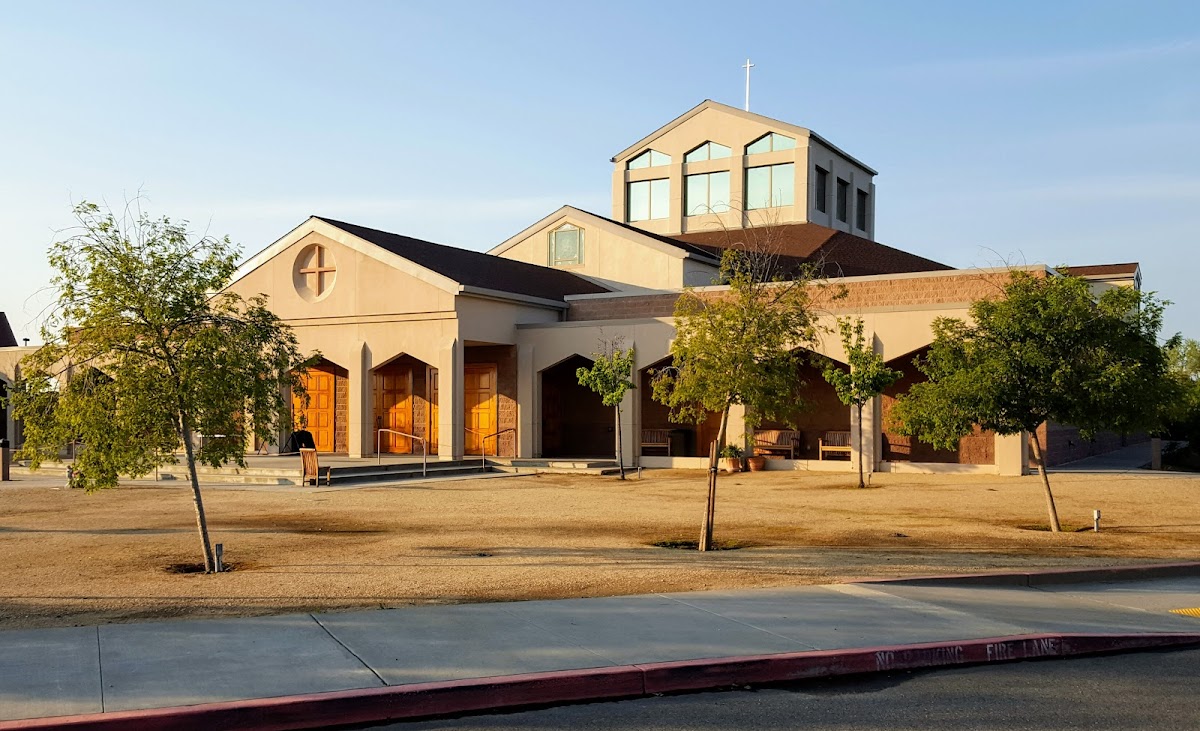
The minimalist architecture of Saint Joseph Catholic Church presents a rare opportunity for intentional, gallery-style floral design. Unlike ornate cathedrals that can swallow smaller arrangements, this Lincoln sanctuary acts as a clean backdrop, allowing the texture and form of your flowers to take center stage. Success here depends on scale and placement; because the walls are understated, the floral designs must provide the room’s primary visual interest.
The Spaces
Sanctuary
The sanctuary is characterized by its simplicity and openness. The lack of heavy ornamentation or dark wood means the space feels airy and modern, but it can also feel stark without a strategic floral plan. The focus is entirely on the altar, which sits against a neutral wall. This is a “ground-up” design environment.
- What works: Large-scale flanking arrangements are essential here. We recommend using heavy-duty pedestals or modern columns to elevate arrangements to shoulder height, ensuring they are visible to guests in the back rows. Grounded “meadow” installations that wrap around the base of the altar also work beautifully to soften the transition from the floor to the liturgical platform.
- Skip: Small, delicate bud vases or low-profile arrangements. These will disappear against the scale of the room. Avoid anything that requires suspension, as the ceiling lacks rigging points.
- Watch out: The sanctuary has standard drywall ceilings and no built-in ledges. All floral elements must be entirely self-supporting. Ensure your florist provides sturdy, weighted bases to prevent tipping on the carpeted or tiled surfaces.
Budget hero move: Invest the majority of your ceremony budget into two massive, high-impact arrangements for the altar. These can be designed in large urns or on pedestals that are easily moved to your reception venue afterward to flank the sweetheart table or the entrance.
What Works at Saint Joseph Catholic Church
- Symmetrical Framing: The eye naturally seeks balance in this minimalist environment. Using two large, identical arrangements to frame the altar creates a sense of ceremony and importance that the architecture alone doesn’t provide.
- Textural Whites and Greens: Since the walls are plain, a monochromatic palette of whites, creams, and deep greens looks incredibly sophisticated. Focus on high-texture blooms like double tulips, ruffly ranunculus, and trailing jasmine vine to add movement.
- Aisle Meadows: To break up the linear feel of the pews, consider “growing” floral nests at the entrance of the aisle or at the inner pews. These grounded installations make the walk down the aisle feel more immersive.
- Monolith Pedestals: Use solid, architectural pedestals (like white wood or black metal) rather than spindly wire stands. The visual weight of the pedestal helps the arrangement feel like a permanent part of the church’s design for the day.
- Lush Entrance Decor: The transition from the suburban exterior to the sacred interior is a prime spot for a floral moment. A pair of lush arrangements at the sanctuary doors sets the tone before guests even take their seats.
Budget Guide
| Tier | Investment | Floral Strategy |
|---|---|---|
| Essentials | $1,750 - $2,500 | Focuses on the “must-haves”: two large altar arrangements and personal flowers (bouquets and boutonnieres). |
| Sweet Spot | $2,500 - $4,000 | Adds aisle markers or small grounded nests at the altar base to complement the primary arrangements. |
| Full Experience | $4,000 - $6,000 | Includes a lush entrance installation, full aisle meadows, and upgraded scale for the altar pieces. |
| Statement | $6,000+ | Large-scale, floor-to-ceiling floral “pillars” that create a temporary architectural backdrop behind the altar. |
The simplicity of this venue means every dollar spent on flowers is highly visible, making it an ideal choice for couples who want their floral design to be the primary aesthetic driver.
Tips
- Prioritize Repurposing: Since Catholic ceremonies often end earlier than receptions, ensure your altar arrangements are designed to be moved. These large pieces are perfect for framing a band or a cake display at your next location.
- Check Liturgical Calendars: Always confirm with the parish office regarding the liturgical season. During Lent or Advent, there may be restrictions on the size or color of floral displays allowed in the sanctuary.
- Scale for Photography: Ask your photographer where they plan to stand. Often, the best shots are from the center aisle; ensure your altar flowers are tall enough to be seen over the heads of the couple when kneeling or standing.
- Consider the Floor: If the sanctuary floor is a neutral tile or carpet, use darker foliage to create contrast so the flowers “pop” in photos.
- Delivery Timing: Lincoln is a suburban area with easy access, but church schedules can be tight with back-to-back ceremonies. We recommend a design that can be dropped and set in under 30 minutes.