
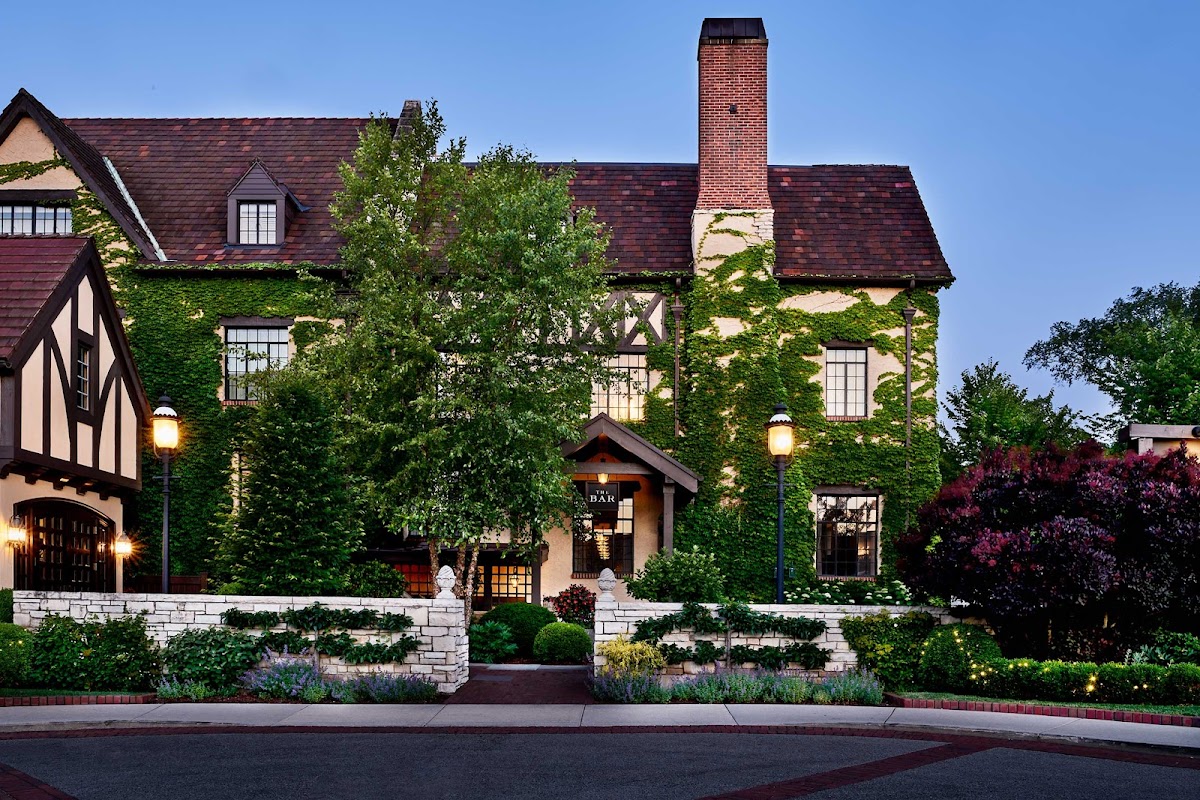
You take the Metra north from Chicago, and somewhere between the glass towers of the Loop and the ivy-draped gates of Lake Forest, the landscape shifts. The suburbs fall away. The trees thicken. And then you arrive at 255 East Illinois Road, where Deer Path Inn sits like a secret the North Shore has been keeping since 1929 — a Tudor Revival manor house that feels lifted from the Cotswolds and planted among the manicured estates of one of America’s most refined communities. The approach is all English country house: half-timbered gables, mullioned windows, climbing ivy that has had nearly a century to find its grip on the stone and stucco façade. Inside, the Oak-beamed ceilings of Windsor Hall stretch overhead like the ribs of an old ship, the Garden Court’s ivy-covered walls frame ceremonies with the kind of romantic restraint that only comes from gardens that have been tended for decades, and every corner — from the fireplaces to the leaded glass — whispers history without shouting about it. Deer Path Inn doesn’t try to be a wedding venue. It is a historic hotel that happens to host weddings with the kind of gracious, old-world hospitality that makes your guests feel like they’ve been invited to a private estate for the weekend. Poppy has received 4 inquiries for Deer Path Inn wedding flowers, and each time we visit, we’re reminded why couples who want sophistication without ostentation are drawn to this Lake Forest landmark.
About Deer Path Inn
Deer Path Inn was established in 1929, a time when Lake Forest was already known as a refuge for Chicago’s elite families seeking summer estates and year-round elegance on the North Shore. The architecture was designed to evoke the English countryside — specifically the half-timbered manor houses of the Tudor period — and it succeeds entirely. The building materials are authentic: aged brick, stucco, hand-hewn timber beams, and slate roofing that has weathered nearly a century of Midwestern winters. The interiors are layered with the kind of details that cannot be replicated in new construction: leaded glass windows, carved wooden mantels, wrought iron fixtures, and textiles that feel lifted from an English estate sale. This is not a hotel trying to look historic. It is genuinely historic, with the patina and permanence to prove it.
The property sits in the heart of downtown Lake Forest, a walkable community known for Market Square — the nation’s first planned shopping center, designed in 1916 with the same Tudor Revival aesthetic. The Inn is surrounded by mature trees, manicured lawns, and the kind of gracious North Shore streetscape where people still stroll to dinner and the architecture committee takes its job seriously. Lake Forest itself is leafy, quiet, and deeply committed to preservation, which means Deer Path Inn exists within a protected bubble of old-money taste and historic continuity. The town is accessible via Metra’s Union Pacific North Line, making it an easy 45-minute train ride from downtown Chicago — close enough for city guests but far enough to feel like a true escape.
For wedding logistics, Deer Path Inn operates as a full-service historic hotel with 57 guest rooms, which means your celebration can span an entire weekend if you choose. The venue provides in-house catering only, with customizable menus that range from plated dinners to cocktail receptions. The bar is also in-house, with options for open bars, cash bars, champagne toasts, and signature drinks. The events team is led by experienced staff including Felix and Al, who coordinate vendor access, timelines, and day-of logistics with the kind of practiced efficiency that comes from running events in a historic property where load-in logistics matter. Valet parking is provided for guests, with a dedicated second valet specifically for wedding parties during large events.
For Poppy’s delivery team, access is straightforward via the main entrance on East Illinois Road, with loading coordinated through the events staff. The venue is approximately an hour’s drive from our Chicago studio, and we’ve found the Deer Path team to be communicative about delivery windows, setup timing, and vendor coordination. The Inn does not require exclusive florist vendors, which means we can work directly with couples who are drawn to our design approach.
Event Spaces & Floral Opportunities
Windsor Hall
Capacity: 200 seated, 478 standing
Setting: Windsor Hall is Deer Path Inn’s flagship ballroom, a 4,776-square-foot room with oak-beamed ceilings that rise dramatically overhead, stucco walls in warm cream tones, and a floor plan that can be left open or divided into three separate sections (Windsor I, II, and III) depending on guest count. The wood beams are richly stained in deep walnut tones, creating a sense of warmth and intimacy despite the room’s generous proportions. Modern chandeliers with clean geometric lines hang from the beams, and the walls are punctuated by arched doorways and decorative molding. The space is refined without being fussy — a ballroom that feels like it belongs in a private manor rather than a commercial hotel. Large windows along one wall let in natural light during daytime events, and the neutral palette of wood, cream, and stone allows florals to take center stage.
Floral approach: The oak beams are the defining architectural feature here, and they present an extraordinary opportunity for overhead installations. We regularly anchor garlands directly to the beams — long, trailing runners of Italian ruscus, smilax, and seeded eucalyptus woven with clusters of Juliet garden roses, Quicksand roses, white ranunculus, and spray roses in champagne and blush tones. These overhead garlands can run the length of the head table or span the entire width of the dance floor, creating a canopy effect that draws the eye upward and fills the vertical space without obstructing sightlines. For centerpieces, the warm wood tones pair beautifully with jewel-toned palettes — deep burgundy dahlias (Café au Lait, Labyrinth), plum-toned lisianthus, mauve Amnesia roses, and chocolate cosmos in aged brass compotes or matte black ceramic vessels. Alternatively, classic white and green arrangements in silver julep cups or crystal compotes feel timeless and elegant against the Tudor backdrop. If the room is divided into Windsor I, II, or III, scale the floral installations accordingly — smaller sections benefit from fewer but more impactful pieces rather than trying to fill every surface. The entrance to Windsor Hall from the cocktail area is an ideal spot for a pair of large-scale urns overflowing with seasonal branches, hydrangea, roses, and textured greenery to signal the transition into the main event.
Windsor I
Capacity: 40 seated, 135 standing
Setting: Windsor I is the smallest of the three divisible sections, occupying 1,369 square feet on one end of Windsor Hall. It maintains all the architectural character of the full ballroom — oak beams, stucco walls, arched doorways — but in a more intimate scale. This section works beautifully for smaller wedding receptions, rehearsal dinners, or as a dedicated dining space when the full Windsor Hall is divided for a larger event with multiple function areas.
Floral approach: In this more intimate setting, floral arrangements should be scaled to match the cozier proportions. We recommend lush, low centerpieces — compote arrangements filled with garden roses (Patience, Keira, Romantic Antike), ranunculus, lisianthus, and trailing jasmine vine or scented geranium — that encourage conversation and create an enveloping, romantic atmosphere. The overhead beams still allow for garland installations, but a single garland runner over the head table or a focal installation above the bar area is more appropriate than trying to fill the entire ceiling. If this section is used for a ceremony, a low floral arrangement on a pedestal table works better than a tall ceremony arch, which can feel oversized in the space. Consider bud vases down the aisle or low urns flanking the ceremony table.
Windsor II
Capacity: 70 seated, 150 standing
Setting: Windsor II is the central section of Windsor Hall, measuring 1,642 square feet. It occupies the middle ground both physically and in terms of capacity, making it a versatile choice for mid-sized receptions or as a dining area when Windsor Hall is divided for a multi-function event. The room inherits all the architectural details of the full ballroom and benefits from good natural light during daytime events.
Floral approach: This middle section can support a more balanced floral approach — neither minimalist nor overly abundant. For seated dinners, a mix of tall and low centerpieces creates visual rhythm: alternating tables with tall tapered arrangements on gold or brass candelabras (which lift florals above sightlines) and low, lush compote arrangements (which anchor the table and create intimacy). Overhead garlands work beautifully here, particularly if you’re using Windsor II as the primary dining space for a larger wedding that spans multiple sections. The garland can serve as a visual marker that defines this section as the main dining area. If Windsor II is used for a ceremony, the central location means guests entering from the cocktail area will have clear sightlines, making a statement ceremony installation worthwhile — a reclaimed wooden arch draped with smilax and garden roses, or a low floral hedge arrangement flanking the aisle.
Windsor III
Capacity: 80 seated, 160 standing
Setting: Windsor III is the largest of the three divisible sections at 1,765 square feet, occupying the far end of Windsor Hall. It has the most generous proportions of the three sections and often serves as the primary reception or dining space when Windsor Hall is divided. The same oak beams, stucco walls, and Tudor details carry through, and large windows provide natural light and views toward the surrounding grounds.
Floral approach: Windsor III’s larger footprint allows for the most ambitious floral installations among the three sections. This is where you can justify a full overhead garland installation spanning the length of the room, a dramatic ceremony arch if the space is being used for vows, or a mix of statement floral pieces including a large arrangement on the bar, elevated centerpieces on gold risers, and a lush head table runner. If you’re working with a rich, saturated palette — deep reds, burgundies, plums, and golds — this is the section that can carry that intensity without feeling overwrought. For classic white and green palettes, consider incorporating more texture: white peonies, white lisianthus, white ranunculus, mixed with variegated pittosporum, dusty miller, and lamb’s ear for a soft, romantic effect. The entrance from the cocktail area should be marked with something substantial — tall arrangements on pedestals or a pair of overflowing urns — to create a sense of arrival.
Garden Room
Capacity: 80 standing
Setting: The Garden Room is a 979-square-foot space tucked beside The English Room, Deer Path Inn’s signature restaurant. It’s an intimate, warm space with views toward the gardens, old-world architectural details, and a sense of seclusion that makes it ideal for cocktail receptions, small ceremonies, or intimate dinner parties. The room has a lower ceiling than Windsor Hall, which creates a cozier, more enveloping atmosphere. Furnishings are classic and refined, with a mix of seating areas and standing cocktail tables.
Floral approach: The Garden Room benefits from concentrated floral moments rather than trying to fill every surface. A large statement arrangement on the fireplace mantel — overflowing with garden roses, ranunculus, sweet peas, and trailing greenery — becomes the room’s focal point and creates a beautiful backdrop for photos. Cocktail tables should have low, lush arrangements in small compotes or bud vases — clusters of three to five on each table create visual interest without crowding the space. If the Garden Room is used for a small ceremony, a low floral arrangement on a pedestal or a pair of urns flanking the ceremony spot works better than a tall arch, which can feel oversized in the lower-ceilinged space. The views toward the actual gardens mean your floral palette should complement rather than compete with the landscaping visible through the windows — soft, romantic colors and organic, garden-style arrangements feel most appropriate here.
Garden Court
Capacity: 125 theater-style, 175 standing
Setting: The Garden Court is the jewel of Deer Path Inn’s outdoor spaces — a 1,979-square-foot courtyard framed by ivy-covered walls, mature landscaping, and the Tudor architecture of the surrounding buildings. The space has been carefully maintained and designed to feel like the private garden of an English country estate, with manicured lawns, established plantings, and that particular quality of light filtered through old trees. The courtyard accommodates up to 175 guests for cocktail receptions or 125 for theater-style ceremonies, with natural stadium-style seating created by the slight grade of the lawn. The ivy-covered walls provide an instant romantic backdrop, and the surrounding buildings create an enclosed, intimate feeling despite the generous square footage.
Floral approach: The Garden Court’s existing landscaping does much of the heavy lifting, which means your floral budget can be focused on enhancing rather than creating the setting. For ceremonies, we recommend a low, elegant ceremony installation rather than a tall arch that competes with the ivy walls — a wooden farm table or vintage bench topped with a lush, organic arrangement of garden roses, peonies, scabiosa, and trailing jasmine vine creates a focal point without blocking the architectural backdrop. Aisle markers can be simple and restrained: low urns every third row, shepherd’s hooks with hanging arrangements, or loose floral clusters tied to the end of each row with silk ribbon. For cocktail receptions, high-boy tables should have elevated arrangements that rise above the crowd — arrangements on tall glass cylinders or gold stands filled with garden roses, delphinium, and trailing amaranthus create visual interest and help define the space. The entrance to the Garden Court from the indoor spaces is an ideal spot for a pair of statement urns or potted topiaries that signal the transition from indoors to outdoors. Because this is an outdoor space in the Midwest, be mindful of seasonal weather — spring and fall can be unpredictable, so choose hardy blooms that can withstand temperature fluctuations and have a backup plan for sudden rain.
Cornwall Suite
Capacity: Bridal suite, not for events
Setting: The Cornwall Suite is one of Deer Path Inn’s premium guest rooms, offering 350-800 square feet of refined, timelessly curated space ideal for wedding party preparations. The suite features classic furnishings, good natural light, and the kind of quiet elegance that photographs beautifully.
Floral approach: The Cornwall Suite is where getting-ready photos happen, which means florals here serve a dual purpose: they enhance the space and provide props for photography. A small compote arrangement on the vanity or bedside table — filled with blooms pulled from the bridal bouquet palette — ties the suite to the overall wedding design and creates beautiful detail shots. We often deliver the bridal bouquet and bridesmaids’ bouquets to the Cornwall Suite on the morning of the wedding, arranged on the bed or a side table for photos before the ceremony. A few bud vases with single stems — garden roses, peonies, or whatever is featured in the personal flowers — scattered around the suite create multiple photo opportunities without cluttering the space. Keep arrangements small and movable so they don’t interfere with hair and makeup setup.
The Pub
Capacity: Variable, after-party space
Setting: The Pub is a basement-level space with authentic British pub atmosphere — dark wood, cozy seating, and a casual, convivial vibe. It’s used primarily for after-party gatherings, late-night celebrations, and informal entertainment after the formal reception concludes upstairs.
Floral approach: The Pub’s casual atmosphere doesn’t require elaborate florals, and in fact, over-designing this space would work against its charm. If you want to carry the floral theme into the after-party, simple greenery garlands along the bar or strung from the ceiling create a festive touch without feeling precious. Small bud vases with single stems or clusters of three on the bar and tables are sufficient — think of them as nods to the wedding upstairs rather than full floral installations. The goal in The Pub is to maintain the relaxed, authentic atmosphere while providing just enough connection to the overall wedding design that the transition from formal reception to after-party feels intentional rather than disjointed.
Wedding Flower Ideas for Deer Path Inn
English Garden Romance
This design concept leans fully into Deer Path Inn’s Tudor heritage with a palette and style pulled directly from English cottage gardens. Think soft, romantic colors — blush pink (Keira roses, Romantic Antike roses), lavender (stock, lisianthus), dusty mauve (Quicksand roses, Amnesia roses), and cream (Patience roses, white ranunculus) — layered with abundant greenery including seeded eucalyptus, Italian ruscus, trailing jasmine vine, and variegated pittosporum. The arrangements are loose and organic, overflowing from their vessels with a just-picked-from-the-garden quality. Blooms should include sweet peas (when available in spring), garden roses in every soft shade, peonies (May and June), scabiosa, astilbe, and Queen Anne’s lace for airiness. Vessels are classic and refined: silver julep cups, mercury glass compotes, vintage brass urns, and weathered stone planters. This palette works beautifully throughout the property — in Windsor Hall it creates a soft, romantic counterpoint to the dark wood beams; in the Garden Court it complements the existing ivy and landscaping without competing; and in the Garden Room it feels perfectly at home against the old-world interiors. For ceremony installations, a low wooden bench or farm table topped with a lush, asymmetrical arrangement of all the above blooms creates an English garden focal point without blocking the architecture.
Tudor Jewels
This concept embraces the richness and drama of the Tudor period with a palette inspired by jewel tones and old-world opulence. The foundation is deep burgundy (Black Baccara roses, Burgundy dahlias, chocolate cosmos), plum (lisianthus, scabiosa), deep red (Red Piano roses, amaranthus), and wine (Burgundy calla lilies). These saturated tones are lifted by dusty mauve (Quicksand roses, Amnesia roses), champagne (Sahara roses, champagne spray roses), and rich greenery including eucalyptus, Italian ruscus, and olive branches. Textural accents include privet berries, hypericum berries in burgundy, and scabiosa pods. Vessels should be equally rich: aged brass compotes, matte black ceramic vessels, dark wood pedestals, and vintage bronze urns. This palette is particularly stunning in Windsor Hall, where the jewel tones resonate with the warm oak beams and create a sense of historical continuity — this is what a Tudor feast might have looked like if the hosts had access to a modern florist. The richness of the palette also photographs beautifully in low light, making it ideal for evening receptions. In the Garden Court, burgundy and plum tones create drama against the green ivy walls without feeling too dark. For centerpieces, mix heights: tall arrangements on brass candelabras alternate with low, lush compotes to create visual rhythm across the room.
Timeless Ivory & Gold
For couples who want elegance without fuss, this concept strips the palette down to the essentials: ivory, cream, champagne, gold, and green. Blooms are classic and sophisticated — white garden roses (Patience, Polar Star), ivory spray roses, champagne Sahara roses, cream ranunculus, white lisianthus, and white hydrangea (when seasonally available). Greenery provides all the texture: seeded eucalyptus, Italian ruscus, lamb’s ear, dusty miller, and variegated pittosporum. The magic is in the vessels: polished gold compotes, brushed brass candlesticks, mercury glass votives, and clear glass cylinders filled with floating candles. Gold accents throughout — gold-rimmed chargers, gold flatware, gold table numbers — tie the entire design together. This palette is timelessly elegant and works in every season, every lighting condition, and every space at Deer Path Inn. In Windsor Hall, it feels sophisticated and refined, allowing the architecture to shine. In the Garden Room, it creates a soft, romantic glow. In the Garden Court, ivory and gold against the green ivy walls is perfection. For overhead installations, consider gold café lights woven through smilax and eucalyptus garlands for a warm, romantic glow that enhances the ivory blooms below.
Seasonal Considerations
Spring (March-May)
Spring on Chicago’s North Shore is a study in delayed gratification. March and early April are often cold, gray, and unpredictable — snow is not unheard of in March, and temperatures can swing wildly. By late April and into May, the landscape finally wakes up: trees leaf out, tulips and daffodils bloom in the surrounding gardens, and the light becomes softer and warmer. For Garden Court ceremonies, May is ideal — the ivy is lush and green, the weather is mild (though always have a rain plan), and the surrounding gardens are at their best. Spring bloom availability includes tulips (late March through April), daffodils, hyacinths, hellebores, ranunculus, anemones, sweet peas (late April and May), and the first peonies (late May if you’re lucky). Garden roses are available year-round through our suppliers, but locally grown options won’t be available until late May at the earliest. Spring weddings at Deer Path Inn benefit from the venue’s indoor flexibility — if the weather doesn’t cooperate, ceremonies can move into Windsor Hall or the Garden Room without losing the romantic, garden-inspired aesthetic. The light in spring is soft and changeable, which photographs beautifully but can require adjustments in floral palette — softer colors like blush, lavender, and cream look luminous in spring light, while darker jewel tones can photograph muddier on overcast days.
Summer (June-August)
Summer is peak wedding season at Deer Path Inn, and for good reason: the weather is warm (often hot and humid in July and August), the gardens are lush, and the Garden Court is reliably usable for outdoor ceremonies and cocktail receptions. June is the sweet spot — temperatures are pleasant, humidity is lower than later in summer, and peonies are in season. July and August can be sweltering, so plan for guest comfort with water stations, fans, and a quick transition from outdoor ceremony to air-conditioned cocktails. Summer bloom availability is at its peak: peonies (June), garden roses, hydrangea, delphinium, lisianthus, scabiosa, dahlias (starting in July), zinnias, sunflowers, and an abundance of local greenery. This is also the season when locally grown flowers become available from Midwestern farms, which can add a special regional touch to your arrangements. For outdoor events in the Garden Court, choose blooms that can withstand heat and sun — hydrangea and peonies wilt quickly in direct sun, while roses, lisianthus, and scabiosa are more heat-tolerant. Evening receptions benefit from the long summer light, which creates a golden glow through Windsor Hall’s windows and makes outdoor cocktail hours feel magical. The surrounding Lake Forest gardens are at their peak in summer, so coordinate your palette to complement rather than clash with the existing landscaping.
Fall (September-November)
Fall is the other peak season at Deer Path Inn, offering cooler temperatures, spectacular foliage, and the kind of golden light that makes every photo look like it was shot through a honey filter. September and early October are ideal — temperatures are mild, the leaves are changing, and outdoor ceremonies in the Garden Court are comfortable for guests. Late October and November can be chilly and unpredictable, so always have a rain and cold-weather plan. Fall bloom availability includes dahlias (in their absolute prime — Café au Lait, Labyrinth, Black Satin), garden roses, chrysanthemums, asters, marigolds, zinnias, and an abundance of textured greenery and seasonal branches. This is also the season for incorporating seasonal elements like berries, dried grasses, wheat, and autumn leaves into arrangements. Fall palettes at Deer Path Inn can go in multiple directions: rich jewel tones (burgundy, plum, deep red) feel appropriately seasonal and resonate with the Tudor architecture; warm harvest tones (orange, rust, gold) complement the changing foliage; or you can opt for a softer palette (blush, mauve, cream) that feels romantic and unexpected against the autumn backdrop. The light in fall is extraordinary — warm, golden, and directional — which makes everything look more beautiful and means your photographer will be thrilled. The surrounding Lake Forest estates are spectacular in fall foliage season, and if you’re planning wedding weekend activities, the Metra ride from Chicago becomes a scenic journey through autumn color.
Winter (December-February)
Winter weddings at Deer Path Inn are intimate, cozy, and undeniably romantic — this venue was made for winter celebrations. The Tudor architecture looks even more enchanting dusted with snow, the fireplaces are lit, and the entire property takes on the atmosphere of a country house party in the English countryside. December weddings benefit from the Inn’s holiday decorations (confirm details with the venue), creating a festive, seasonal atmosphere with garlands and twinkling lights already in place. January and February are the quietest months, offering potential savings and guaranteed availability. Winter weather in Lake Forest is cold — expect temperatures below freezing, potential snow and ice, and short daylight hours. The Garden Court is not usable for outdoor events, so plan for indoor ceremonies in Windsor Hall. Winter bloom availability is more limited but still beautiful: garden roses (year-round from our suppliers), amaryllis, hellebores, ranunculus, anemones, evergreen branches (pine, fir, cedar, eucalyptus), and berries (hypericum, privet, ilex). Winter palettes can embrace the season with deep reds, burgundies, evergreens, and whites; or go in a softer direction with blush, champagne, and silvery greenery for a winter-garden effect. Candlelight becomes essential in winter — the short days mean most of your reception will happen after dark, so plan for abundant votives, tapers, and pillar candles to create warmth and ambiance. The cozy scale of a winter wedding at Deer Path Inn — with fires crackling, candles glowing, and guests gathered in the warm interiors — can be more intimate and memorable than a sprawling summer celebration.
Poppy’s Expert Take
The Garden Court is weather-dependent, so always have an indoor ceremony backup. The Garden Court is stunning and couples fall in love with the ivy-covered walls, but Chicago weather is unpredictable in every season except perhaps July and August. Rain, cold, wind, and even late-spring snow can force a last-minute move indoors. The good news is that Windsor Hall makes an excellent ceremony space and doesn’t feel like a compromise — the oak beams and stucco walls create a romantic, historic backdrop that photographs beautifully. If you’re planning an outdoor ceremony, design your floral installations to be movable: a low arrangement on a farm table or vintage bench can be carried indoors easily, whereas a permanent arch or large-scale installation is harder to relocate. We always build in weather flexibility for Garden Court ceremonies, and we recommend couples walk through the indoor ceremony layout with their planner so they’re prepared if conditions require a change.
Windsor Hall’s oak beams are your secret weapon for overhead florals. The beams that span Windsor Hall’s ceiling are structural, solid, and capable of supporting suspended floral installations — a rarity in hotel ballrooms where ceilings are often drop-tile or too delicate for rigging. We work with the venue to anchor garlands, chandeliers, and hanging installations directly to the beams using sturdy hooks and fishing line, creating floating gardens of greenery and blooms that fill the vertical space without obstructing sightlines or crowding tables. A 20-foot garland of smilax, eucalyptus, and garden roses running the length of the head table or dance floor transforms the room and creates an unforgettable visual impact. This is one of the most dramatic floral opportunities at Deer Path Inn, and it’s worth allocating budget toward if you want a true wow factor.
The existing landscaping in the Garden Court means you can reduce ceremony floral spending. Unlike a blank-canvas ceremony site that requires you to build the entire setting from scratch, the Garden Court comes with mature ivy-covered walls, established plantings, and architectural charm already in place. This means you don’t need to spend heavily on ceremony florals to create a beautiful backdrop. A simple, elegant arrangement on a wooden table or bench, a few low urns flanking the ceremony spot, and minimal aisle markers are sufficient — the ivy walls do the rest. Redirect the budget you save on ceremony flowers toward your reception centerpieces, where guests will spend hours surrounded by the arrangements.
Coordinate with The English Room if your wedding includes dinner service. Deer Path Inn’s in-house restaurant, The English Room, operates adjacent to some of the event spaces, and coordination with the culinary team is important for timing, service flow, and ensuring your floral arrangements don’t interfere with food presentation. The venue’s in-house catering is exclusive, which means you’ll be working with their team on everything from menu design to table settings. Make sure your florist is in communication with the catering team about centerpiece heights (nothing should obstruct views or interfere with service), vessel styles (avoid anything that might tip or spill), and delivery timing (