
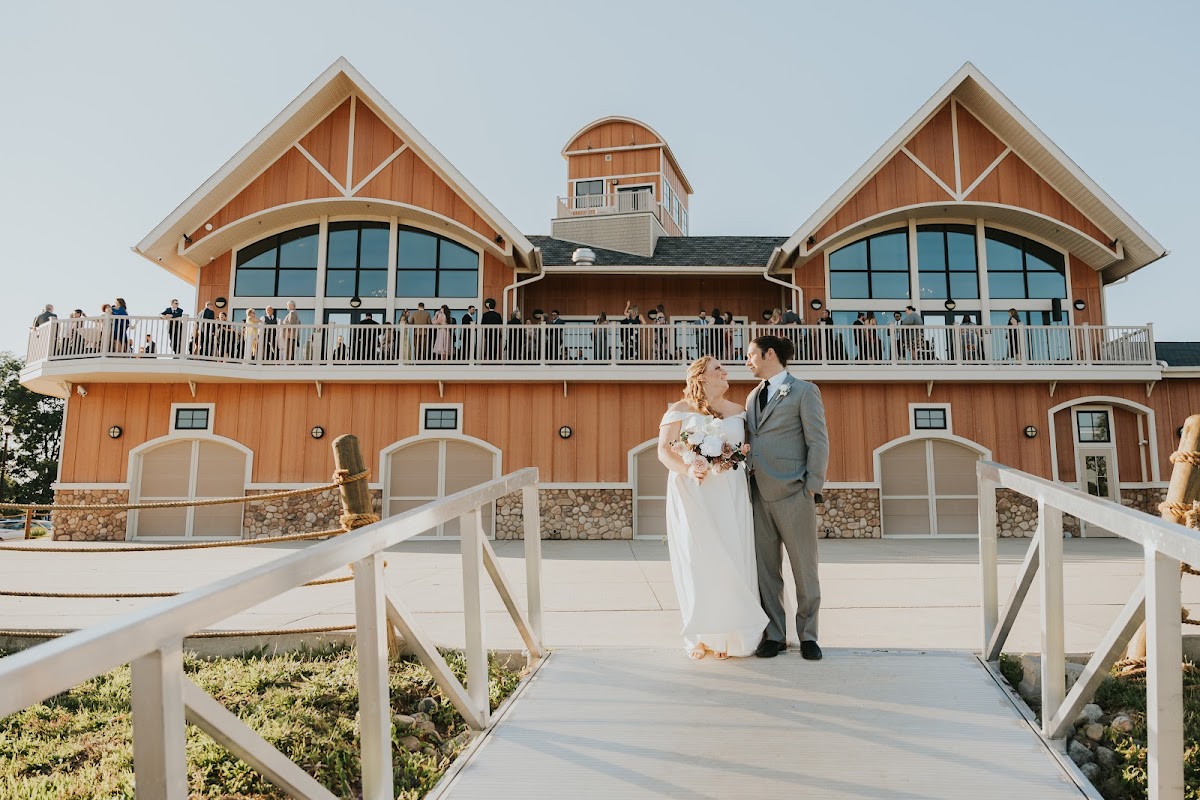
You leave Philadelphia across the Ben Franklin Bridge, the city skyline receding in the rearview mirror, and within ten minutes the landscape shifts completely. Route 130 deposits you into Cooper River Park — 346 acres of protected green space that feels worlds away from urban density despite being a stone’s throw from Center City. The road curves along the river, past rowers slicing through glassy water at dawn, past cyclists and joggers claiming their morning miles. And then the Camden County Boathouse appears, rising from the riverbank like a modern lake house, all glass and warm wood and clean architectural lines. Park and step out, and the first thing that hits you is the view: the Cooper River in the foreground, reflecting clouds and light, and beyond it the unmistakable silhouette of the Philadelphia skyline — City Hall’s tower, the Comcast buildings, the whole glittering urban ridge. It is a perspective most Philadelphians never see of their own city, and it makes this New Jersey riverfront feel like a secret worth keeping. Poppy has designed Camden County Boathouse wedding flowers for 1 celebration here so far, but with 19 inquiries and counting, couples are clearly discovering what this venue offers: a rare combination of natural serenity, urban sophistication, and genuinely beautiful bones that don’t require florals to do all the heavy lifting.
About Camden County Boathouse
The Camden County Boathouse opened as part of a broader revitalization of Cooper River Park, designed to serve both as a premier rowing facility and as a special events venue that would draw people to this often-overlooked stretch of South Jersey waterfront. The building itself is a study in modern elegance — vaulted ceilings soar two stories high, punctuated by reclaimed wooden beams that add warmth and texture to what could otherwise feel too contemporary. Floor-to-ceiling windows line the Main Ballroom, flooding the space with natural light during the day and framing the twinkling Philadelphia skyline after dark. The sculptural metal and crystal chandeliers feel more boutique hotel than suburban event space, and the neutral palette throughout — soft grays, warm creams, natural wood tones — provides a sophisticated canvas that pairs beautifully with nearly any floral direction.
What sets the Boathouse apart from other waterfront venues in the region is its dual identity. This is a working boathouse first, which means the energy here is active and vibrant rather than stuffy or overly formal. Rowers store their sculls in the lower level. High school and collegiate teams train on the river year-round. There is something deeply appealing about celebrating a wedding in a place that has ongoing life beyond Saturday night receptions, a venue that serves the community in tangible ways during the week. For couples drawn to authenticity over artifice, this matters.
Logistically, the Boathouse sits about 20 minutes from Center City Philadelphia via the Ben Franklin or Walt Whitman bridges, and it is easily accessible via I-295, Route 42, and Route 130. For guests staying in Philadelphia, the drive is straightforward and well-signed. For those coming from South Jersey or the shore, it is an even easier destination. The venue offers complimentary on-site parking with overflow options across the street at the business center on Saturdays, which eliminates one of the great headaches of urban wedding venues. There are no valet complications, no parking garage negotiations, no shuttles required — guests simply park and walk in.
From a florist’s perspective, vendor access at the Boathouse is refreshingly practical. Weekend events include a structured 9-hour time block: three hours for setup, five for the event itself, and one for breakdown. This is more generous than many venues that rush vendors in and out, and it allows Poppy’s team to install more complex designs — suspended florals, elaborate garlands, multi-level ceremony structures — without feeling squeezed. The venue is flexible about pre-planning walk-throughs, which we always recommend for first-time installations. The events team here is professional and responsive, and they understand that great weddings require coordination among multiple vendors rather than arbitrary restrictions. Poppy’s studio is located roughly 30 minutes away depending on traffic, making delivery and setup efficient and allowing us to bring fresh, just-conditioned flowers rather than arrangements that have been sitting in a cooler for days.
The venue requires liability insurance for all vendors on the day of the event, which is standard and easily managed — most florists carry this automatically, and couples can often add the Boathouse to their homeowners insurance rider at no additional cost. One notable advantage: the Boathouse allows BYO liquor, which provides significant cost savings for couples and often frees up budget for more elaborate floral designs. Catering must come from one of the venue’s approved list — Foodwerx, LaScala Restaurant Group, Sensational Host, Andreotti’s, Ciconte’s, Willow & Sage, or Feastivities — all reputable companies that provide a maitre d’ and understand the venue’s flow. Outdoor ceremony chairs are coordinated through caterers rather than provided by the venue, which is worth noting early in the planning process.
Event Spaces & Floral Opportunities
Main Ballroom
Capacity: 200 seated
Setting: The Main Ballroom is the Boathouse’s signature space, and it is immediately clear why couples fall for it. Vaulted ceilings soar two stories overhead, creating a sense of airy grandeur without feeling cavernous or impersonal. Reclaimed wooden beams span the length of the ceiling, adding organic warmth and providing visual structure to the vertical space. The floor-to-ceiling windows along one wall are the room’s defining feature — during daylight hours, they bathe the space in soft, even natural light, and at dusk they transform into a framed panorama of the Philadelphia skyline, city lights twinkling across the river like a living mural. The built-in dance floor is centrally located, the sculptural chandeliers hang at just the right height to feel special without overwhelming, and the neutral palette throughout means the space adapts beautifully to any season or style.
Floral approach: The Main Ballroom’s architectural drama does half the work for you, which means Camden County Boathouse wedding flowers here should enhance rather than compete. We favor two approaches depending on budget and style: either very low, lush centerpieces that allow guests to see both each other and the skyline views unobstructed, or dramatically tall, elevated arrangements on clear risers or tall trumpet vases that lift blooms well above sightlines. For the low option, think mounded garden roses (Keira, Patience, O’Hara) in blush and ivory, mixed with ranunculus, lisianthus, and trailing jasmine vine, arranged in textured ceramic or aged brass compotes that echo the warm neutrals of the room. These sit 8-10 inches tall and spread generously, creating lush tablescapes without blocking conversation or views. For the tall option, arrangements on 30-inch clear glass cylinders or gold trumpet stands feature delphinium, snapdragons, amaranthus, and flowering branches (dogwood, cherry, or curly willow depending on season), with clusters of roses and hydrangea at mid-height for visual weight. This approach creates a layered effect — low candles and votives at table level, florals floating above — that photographs beautifully and capitalizes on those soaring ceilings. The reclaimed beams present an opportunity for suspended installations: garlands of Italian ruscus, smilax, and eucalyptus with blooms woven through can span the length of the head table or frame the dance floor, appearing to float in the vaulted space. The chandeliers themselves are statement pieces and generally don’t need additional floral embellishment — resist the urge to wrap them, which can look cluttered and distract from their sculptural lines. For the entrance to the ballroom, a pair of tall arrangements on pedestals — overflowing with seasonal blooms and textured foliage — signals the transition from cocktails to reception. The windows are your friend here: during setup, we position arrangements to catch and reflect that abundant natural light, and we avoid placing anything directly in front of the glass that would obstruct the skyline views guests came to see.
Outdoor Ceremony Area / Matrimony Garden
Capacity: 200 seated
Setting: The Matrimony Garden is the outdoor ceremony space that sold many couples on the venue in the first place. The white pergola sits on a landscaped paver area with the Cooper River as the immediate backdrop and the Philadelphia skyline rising in the distance — it is a view that manages to be both naturally serene and architecturally striking at once. The pergola itself is clean-lined and modern, painted white, with an open structure that invites decoration without demanding it. Guest seating is typically arranged theater-style facing the pergola, approximately 100 guests per side of the center aisle, with the river and city views framing the couple during the ceremony. The surrounding parkland provides lush green context without feeling overly manicured, and the paver base ensures guests are not sinking into grass in heels.
Floral approach: The white pergola is a gift to florists — it provides structure, visual anchor, and a clean canvas all in one. We typically dress it in one of three ways depending on style and budget. For a lush, romantic look, we create asymmetrical garlands that drape along the top beam and cascade down one or both side posts, using smilax or Italian ruscus as the base and weaving in garden roses (Patience, Keira, Juliet), spray roses, lisianthus, ranunculus, and touches of delicate foliage like maidenhair fern or dusty miller. The arrangement is deliberately asymmetrical — heavier on one side, lighter on the other — to avoid the overly formal, matchy-matchy look that can feel dated. For a more modern, architectural approach, we place four large elevated arrangements at the corners of the pergola in tall gold or black stands, creating defined floral moments that frame the couple without obscuring the structure itself. For a minimalist approach, we install a single statement piece at the pergola’s center back — a large urn or pedestal arrangement — and keep the rest simple with aisle markers and perhaps a small arrangement on the signing table. Given the skyline backdrop, we generally recommend softer, more romantic palettes here — blush, peach, ivory, champagne, soft lavender — that complement rather than compete with the urban view. Bold jewel tones can read too heavy against the water and sky. Aisle markers are essential on the pavers: shepherd’s hooks with small hanging arrangements, low clusters of florals in weighted vessels every third or fourth row, or glass hurricanes with floating candles and submerged blooms (for evening ceremonies). Rose petals are permitted and create a lovely romantic effect along the aisle, though we always confirm wind conditions on the day-of — a breezy riverside ceremony may require sturdier arrangements and skip the loose petals. The ceremony space is exposed, so flower choices matter: hardier blooms like roses, lisianthus, and carnations hold up better than delicate varieties like sweet peas or anemones that wilt quickly in direct sun or wind. We always hydrate everything heavily before transport and try to install ceremony florals as close to start time as possible to ensure everything looks fresh during the processional.
Wrap-Around Deck / Observation Deck
Capacity: Varies (cocktail style)
Setting: The second-floor wrap-around deck is where cocktail hour happens, and it is arguably the venue’s best-kept secret. The 360-degree views take in the Cooper River, the parkland, and that ever-present Philadelphia skyline, now even more dramatic from the elevated vantage point. The deck is furnished with cocktail tables and seating areas, and the open-air setting invites guests to move, mingle, and take in the scenery. On a clear evening in late spring or early fall, this space is unbeatable — the light is golden, the air is soft, and the city skyline begins to glow as the sun sets. Even on warmer days, the riverside breeze keeps things comfortable, and the natural shade from the building provides relief.
Floral approach: The deck’s outdoor exposure requires weather-resistant floral choices, and the dramatic views mean arrangements should be present but not domineering. We favor clustered bud vases on cocktail tables — groups of three to five small vases in varying heights, each holding a few stems of spray roses, lisianthus, or seasonal blooms. This approach is cost-effective, visually interesting, and allows for easy repositioning if weather shifts. For the deck entrance, a pair of large potted arrangements — tropical foliage, ornamental grasses, flowering shrubs like hydrangea or butterfly bush — creates a sense of arrival and frames the transition from indoor to outdoor space. These can be rented and returned post-event, which is often more budget-friendly than cut arrangements of similar scale. Railing garlands are a beautiful addition if the couple’s budget allows: we run smilax or eucalyptus garlands along sections of the deck railing, weaving in blooms at intervals to create visual continuity without blocking the views. These work best on the interior railings rather than the outer perimeter, where they might obscure the skyline. For centerpieces, we stick to low, compact designs in weighted vessels — ceramic or stone containers that won’t tip in the breeze — filled with garden roses, spray roses, solidago, and textured foliage. Tall arrangements are generally a bad idea outdoors here; the wind will topple them, and they block sightlines to the very views guests came to enjoy. If the couple is planning an evening cocktail hour, votives and pillar candles in hurricane glasses add warmth and ambiance as the sun sets and the city lights begin to sparkle.
Bridal Suite / Wedding Suite
Capacity: Not applicable (getting-ready space)
Setting: The Bridal Suite is a private second-floor space designed specifically for wedding day preparations. It offers privacy, natural light, and enough room for the bridal party to spread out comfortably. This is where the getting-ready photos happen — the dress hanging in the window, the bridesmaids laughing over champagne, the quiet moment before it all begins.
Floral approach: The Bridal Suite does not need extensive florals, but a single, thoughtful arrangement makes the space feel intentional and photograph beautifully. We typically provide a low, lush arrangement in soft, romantic tones — blush and ivory garden roses (Keira, Quicksand, Patience), ranunculus, hellebores, and touches of eucalyptus or Italian ruscus. This sits on a table or windowsill and serves as a lovely backdrop for detail shots: the rings, the invitation suite, the perfume bottle and jewelry laid out just so. Some brides also request a smaller version of their bouquet to have in the suite during getting-ready photos, which creates cohesive imagery and allows the photographer to capture the full bridal look even before the bride is fully dressed. If the budget is tight, this is an easy place to scale back — a few stems in a simple bud vase or a bridesmaid’s bouquet placed in water can serve the same purpose.
Masters Club Room / Masters Suite
Capacity: Varies (flexible use)
Setting: The Masters Club Room is a versatile space that can serve multiple functions: groom’s room, secondary cocktail area, or lounge space. It is available for hourly rental beyond the standard package, and many couples use it to create a more intimate pre-ceremony gathering spot or to provide the groom’s party with their own dedicated space parallel to the Bridal Suite.
Floral approach: If this room is functioning as a groom’s room, we recommend a more tailored, masculine arrangement — perhaps a mix of deep burgundy dahlias, dark privet berries, scabiosa, and textured foliage in a simple ceramic or wood vessel. The look is sophisticated and grounded without reading as overtly “bridal.” If the room is being used as an additional cocktail space, treat it similarly to the main deck: low arrangements on cocktail tables, perhaps a statement piece at the entrance, and a focus on creating ambiance without blocking conversation or movement. Many couples skip florals here entirely to allocate budget to more visible spaces, and that is a perfectly reasonable decision — this room’s function is utilitarian rather than showcase.
Board Room / Bridal Lounge
Capacity: Varies (flexible use)
Setting: Another flexible-use space available for hourly rental, the Board Room often serves as an additional getting-ready area, a private space for family, or overflow lounge seating during cocktail hour.
Floral approach: Similar to the Masters Club Room, florals here are optional and budget-dependent. A simple, elegant arrangement — perhaps a smaller version of what is in the Bridal Suite — adds polish if the space is being photographed or used for intimate family moments. If budget is constrained, this is an easy cut; the space functions perfectly well without florals.
Dock
Capacity: Not applicable (photo location)
Setting: The dock provides direct access to the Cooper River and is one of the venue’s most popular photo locations. The water, the boat slips, the reflection of the skyline on the river at sunset — it all makes for stunning, editorial-quality images that feel worlds away from traditional posed portraits.
Floral approach: The dock itself requires no floral installation; the natural setting is the attraction. However, we do recommend bringing the bridal bouquet down for waterfront portraits, and if the couple is planning an extended portrait session here, a small portable arrangement or floral hairpiece can add visual interest without requiring any dock-side setup. Some photographers like to incorporate a single bloom floating in the water or a bouquet placed on the dock edge for artistic shots, but this is purely stylistic and not expected. The natural beauty of the river and skyline backdrop does all the heavy lifting here.
Wedding Flower Ideas for Camden County Boathouse
Skyline Romance
This palette draws inspiration from the Philadelphia skyline at dusk — soft blush pinks, warm peach, champagne, and touches of dusty blue-gray that echo the city’s evening light. Garden roses are the stars here: Keira (the most exquisite blush with ruffled, old-fashioned petals), Patience (a peachy-pink that photographs like a dream), and Quicksand (a muted antique rose that anchors deeper tones). We add ranunculus in peach and soft pink, lisianthus in champagne and white, and dusty blue thistle or tweedia for subtle contrast. Foliage includes seeded eucalyptus, Italian ruscus, and trailing jasmine vine for movement and texture. Vessels are a mix of clear glass (to echo the water views) and brushed gold or champagne-toned metallics (to pick up the city lights). This palette works beautifully throughout the venue: low, lush centerpieces in the Main Ballroom that complement the skyline views, an asymmetrical garland on the ceremony pergola that feels romantic without being overly sweet, and clustered bud vases on the deck that catch the golden hour light. The overall effect is soft, sophisticated, and unmistakably romantic — the kind of design that feels effortless even though it is meticulously planned.
River Blues
For couples drawn to a cooler, more modern palette, River Blues leans into shades of blue, lavender, white, and silver-green. Delphinium in true blue and lavender forms the structural backbone, paired with blue hydrangea, white lisianthus, pale lavender roses (Ocean Song), and accents of blue thistle and nigella pods. Foliage is silvery and textural: eucalyptus (both seeded and silver dollar varieties), dusty miller, lamb’s ear, and trailing smilax. Vessels are sleek and modern — white ceramic, matte gray, or clear glass. This palette is particularly stunning in the Main Ballroom, where the cool tones play beautifully against the warm wood beams, and in the outdoor ceremony space, where the blues echo the river and sky. For centerpieces, we recommend tall elevated arrangements that create height and drama without blocking sightlines, with delphinium spires reaching upward and hydrangea clusters providing fullness at mid-level. The look is fresh, sophisticated, and slightly unexpected — not the typical blush-and-ivory wedding palette, but still romantic and beautifully cohesive with the venue’s waterfront setting.
Garden Gathering
This design concept embraces the parkland setting with an organic, just-picked-from-the-garden aesthetic. The palette is soft and varied — blush, ivory, peach, lavender, soft yellow — with an emphasis on texture, movement, and a slightly wild, unstructured look. Flowers include garden roses (Patience, Keira, Juliet), spray roses, ranunculus, lisianthus, campanula, scabiosa, astilbe, and whatever seasonal blooms are at their peak. Foliage is lush and varied: Italian ruscus, eucalyptus, maidenhair fern, jasmine vine, and even flowering branches like dogwood or cherry blossom in spring. Arrangements are loose and organic, with blooms placed at varying heights and angles to mimic the way flowers grow naturally rather than the overly structured, symmetrical designs of traditional wedding florals. Vessels are a mix of textures and finishes — aged brass, ceramic in soft neutrals, mercury glass, weathered wood boxes. This palette is incredibly versatile and works in every space at the Boathouse: ceremony pergola garlands that feel like they are growing rather than arranged, centerpieces that spill generously across guest tables, and deck arrangements that blend seamlessly with the surrounding parkland. It is the perfect choice for couples who want their Camden County Boathouse wedding flowers to feel romantic, natural, and effortlessly beautiful.
Seasonal Considerations
The Camden County Boathouse is a four-season venue, and each season brings distinct advantages for both the setting and floral availability.
Spring (April - May): Spring at the Boathouse is a study in renewal. Cooper River Park comes alive with blooming trees, fresh green foliage, and that particular quality of spring light that makes everything look new. Average temperatures range from the mid-50s to low 70s — ideal for outdoor ceremonies without the sweltering humidity of summer. Spring is prime season for some of the most beloved wedding flowers: tulips (available in March through early May, offering every color imaginable), ranunculus (peak season, with full, ruffled blooms in soft pastels and vibrant jewel tones), peonies (late April through June, the ultimate romantic bloom), and flowering branches like dogwood, cherry blossom, and lilac that bring dramatic height and seasonal specificity to arrangements. The risk is rain — April showers are real, and the outdoor ceremony space has no covered backup. We always recommend having a weather contingency plan and confirm with the venue about indoor ceremony options if forecasts look iffy. For florals, spring’s mild temperatures mean blooms last beautifully throughout the event without wilting, and the natural parkland backdrop is at its most photogenic.
Summer (June - August): Summer weddings at the Boathouse capitalize on long daylight hours, warm evenings on the deck, and that iconic summer feeling of ease and celebration. Temperatures range from the mid-70s to mid-80s, with occasional heat waves pushing into the 90s, and humidity is a factor — this is the Delaware Valley, and summer air is thick. The outdoor ceremony space is stunning on clear summer evenings, especially for late afternoon or sunset ceremonies when the heat has broken and the light is golden. Summer florals are bold and sun-loving: garden roses (nearly all varieties are available), hydrangea in every color, sunflowers, zinnias, dahlias, and lisianthus. The challenge is heat resilience — delicate blooms like sweet peas, anemones, and hellebores struggle in summer conditions, and even hardier flowers need extra hydration and careful timing. We install ceremony florals as late as possible to minimize sun exposure, keep everything deeply hydrated, and avoid overly tight, compact designs that trap heat and accelerate wilting. The deck is at its best in summer — the river views are lush, the skyline is crisp against blue skies, and outdoor cocktail hours feel effortless. Just ensure there is ample water service and perhaps even fans if temperatures spike.
Fall (September - November): Fall is peak wedding season at the Boathouse, and for good reason. Temperatures are mild and comfortable — mid-60s to low 70s in September, cooling into the 50s and 60s by October and November. The foliage around Cooper River Park transitions into autumn colors, and the cooler air means outdoor ceremonies are comfortable without the unpredictability of spring rain or summer heat. Fall florals offer unparalleled richness: dahlias in every size and color imaginable (Café au Lait, Rip City, Penhill Dark Monarch), garden roses, ranunculus (returning in late fall), marigolds, celosia, chocolate cosmos, and seasonal foliage like oak leaves, bittersweet vine, and ornamental grasses. The palette naturally shifts toward warmer tones — burgundy, rust, burnt orange, deep plum, gold — that pair beautifully with the venue’s warm wood tones and the amber light of autumn afternoons. Late October and November bring the risk of cooler temperatures, especially in the evenings, so outdoor cocktail hours may require heaters or thoughtful timing. But the tradeoff is that fall light — soft, golden, slanting — makes everything and everyone look beautiful, and florals photographed in autumn afternoon light have a warmth and depth that is hard to replicate any other season.
Winter (December - February): Winter weddings at the Boathouse are underbooked and underrated. The Main Ballroom is at its coziest in winter — the warm wood tones, the soft interior lighting, the skyline views twinkling against dark winter skies. Temperatures range from the 30s to low 40s, occasionally dipping lower, which means outdoor ceremonies are generally not feasible (the venue offers the Main Ballroom as an indoor ceremony option). Winter florals lean on imported blooms and greenhouse-grown favorites: amaryllis, roses, carnations, ranunculus (imported from South America during winter months), anemones, hellebores, and evergreen foliage like pine, cedar, juniper, and magnolia. The palette can go two directions: rich and moody (deep burgundy, plum, forest green, ivory) for a romantic, Christmastime feel, or crisp and modern (white, ivory, silver, touches of blue) for a winter wonderland aesthetic. We often incorporate non-floral elements in winter designs — pinecones, berries, branches, even seasonal fruits like pomegranates or sugared cranberries — to add texture and seasonal specificity. Logistically, winter weddings require careful planning around weather and daylight — sunset happens early (as early as 4:30 PM in December), so timeline planning is essential if you want golden hour portraits. But winter also offers budget advantages: venues are less in-demand, and florists often have more availability and flexibility. And there is something undeniably romantic about a winter wedding — the warmth and light inside contrasting with the cold outside, the sense of intimacy and coziness that makes guests feel like they are part of something special.
Poppy’s Expert Take
Leverage the skyline, don’t compete with it. The Philadelphia skyline views from both the ceremony space and the Main Ballroom are genuinely special, and guests will remember them long after they have forgotten what your centerpieces looked like. Design Camden County Boathouse wedding flowers that complement rather than compete — softer palettes that harmonize with the urban backdrop, arrangements that do not obstruct window views, and an overall approach that says “we understand what makes this venue beautiful and we are enhancing it” rather than “we are trying to distract you from the space.” This restraint actually makes your florals feel more intentional and sophisticated.
Plan for weather on the ceremony space. The outdoor Matrimony Garden is gorgeous, but it is fully exposed to the elements. Wind off the river can pick up unexpectedly, which means tall, top-heavy arrangements on the pergola are a risk. We always use sturdy mechanics — wire, zip ties, waterproof floral tape — and design with weight distribution in mind. If rain is in the forecast, have a backup plan confirmed with the venue, and make sure your florist knows in advance so we can design arrangements that are either easily moveable indoors or can be adapted on the fly. Rose petals, loose foliage, and delicate blooms like sweet peas are beautiful in theory but can be a mess in practice if the weather turns.
Use the vaulted ceilings to your advantage. The Main Ballroom’s two-story ceilings are an opportunity most venues don’t offer. Suspended floral installations — garlands that float above the head table, hanging arrangements above the dance floor — create drama and visual interest at a height that most guests are not used to seeing. These installations photograph incredibly well and make the space feel custom and designed rather than generic. Just confirm with the venue that you are using the magnetic beams correctly and not damaging any surfaces. The investment in a suspended installation often delivers more visual impact per dollar than adding extra centerpieces.
Don’t skip the deck florals. Couples often focus all their floral budget on the ceremony and reception spaces and treat the cocktail hour deck as an afterthought. This is