


Transparency Series
Wedding Flowers by Guest Count: What 50, 100, and 200-Person Weddings Cost in 2026
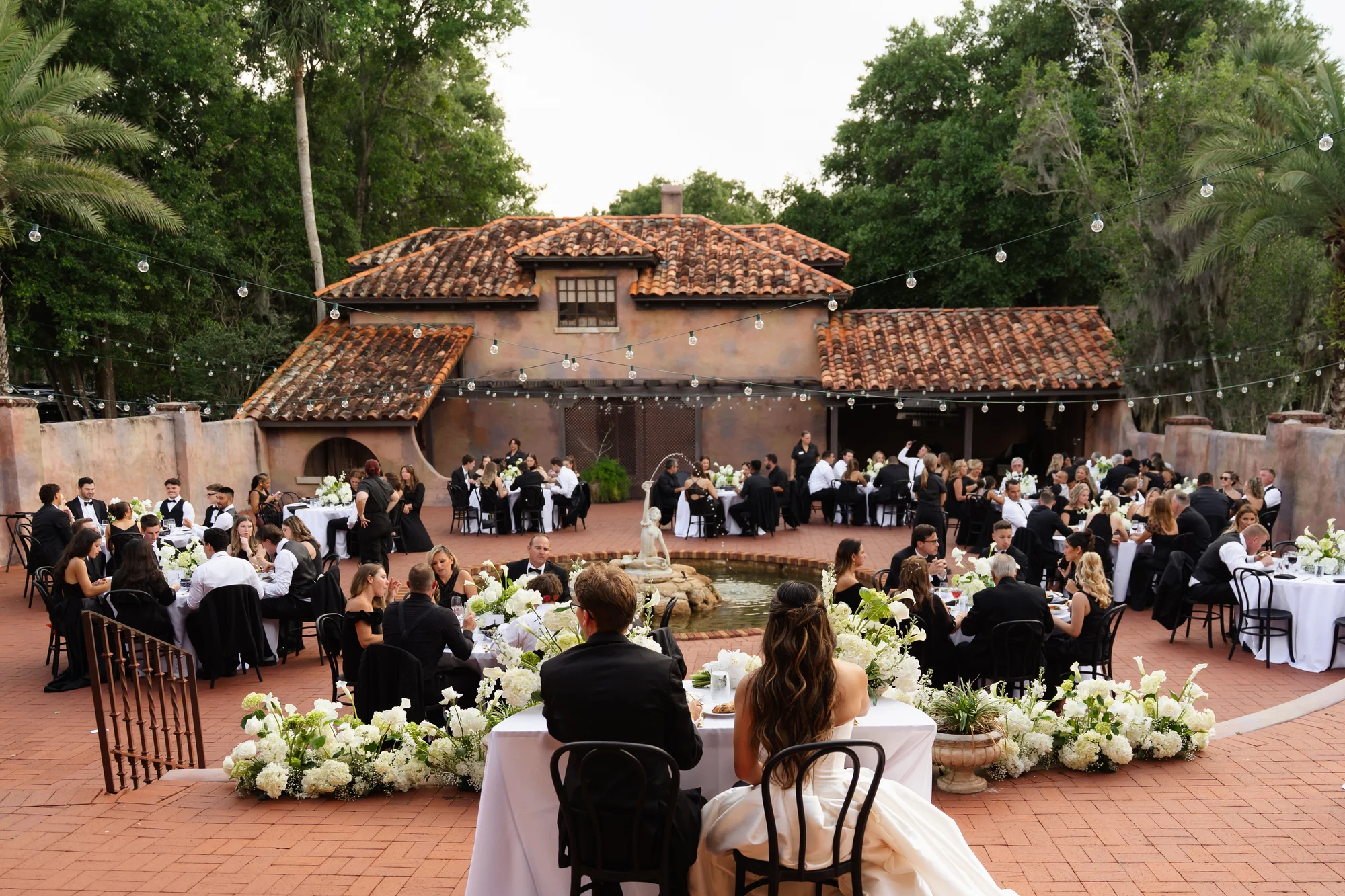
Most "wedding flower cost" articles give you one number: the national average, the industry estimate, the "typical" spend. That figure could describe almost any wedding, which means it's helpful for almost none of them.
Guest count is the primary driver of floral spend, and a single average doesn't show the difference between a 50-person and 200-person wedding. It determines how many centerpieces, boutonnieres, and bouquets are actually needed. A 50-person wedding and a 200-person wedding can share the same aesthetic and end up at meaningfully different budgets, because of what each one requires.
The data below comes from Poppy's order data across real weddings, broken down by guest count. That means a couple with 100 guests isn't reading pricing built around a 200-guest average. Each tier states what couples in that range actually spent, and what was included.
How Much Do Wedding Flowers Cost for a 50-Person Wedding?
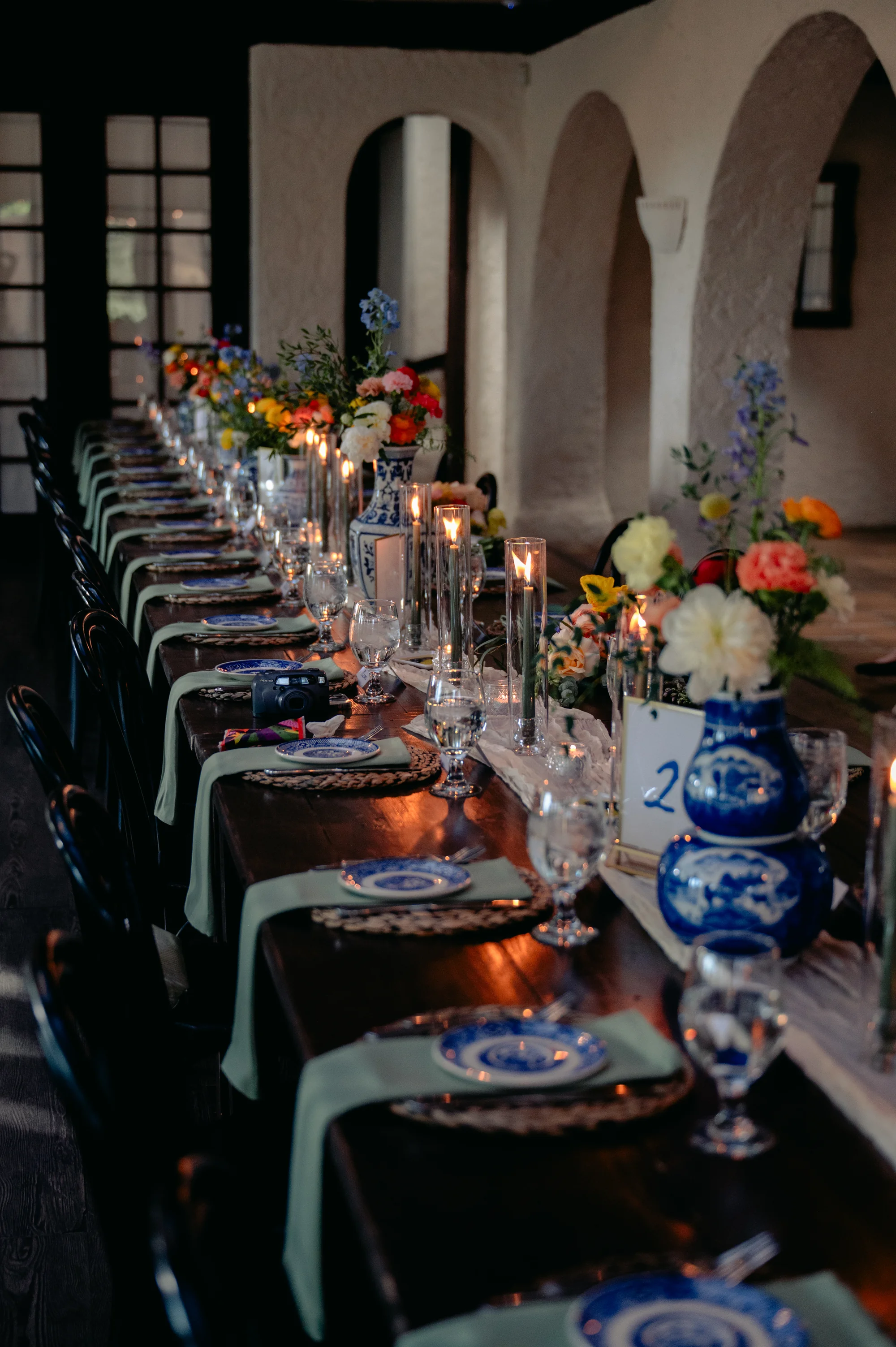
Couples with 40–74 guests spend an average of $2,611 on wedding flowers.
A typical order at this size includes about 10 reception pieces, 3 bridesmaid bouquets, 5 boutonnieres, and 3 ceremony pieces. That's a complete design covering the wedding party, ceremony, and reception, without the volume that pushes cost higher at larger guest counts.
Poppy's minimum package starts at $1,750 and includes a bridal bouquet, boutonniere, 3 bridesmaid bouquets, and 10 bud vase centerpieces. The $2,611 average for this tier reflects what couples with 40-74 guests typically add from that starting point: additional ceremony pieces, more reception arrangements, or higher-cost stems. For intimate weddings, the minimum package is the right anchor: it covers the essentials, and you can build from there based on what matters most.

How Much Do Wedding Flowers Cost for a 100-Person Wedding?
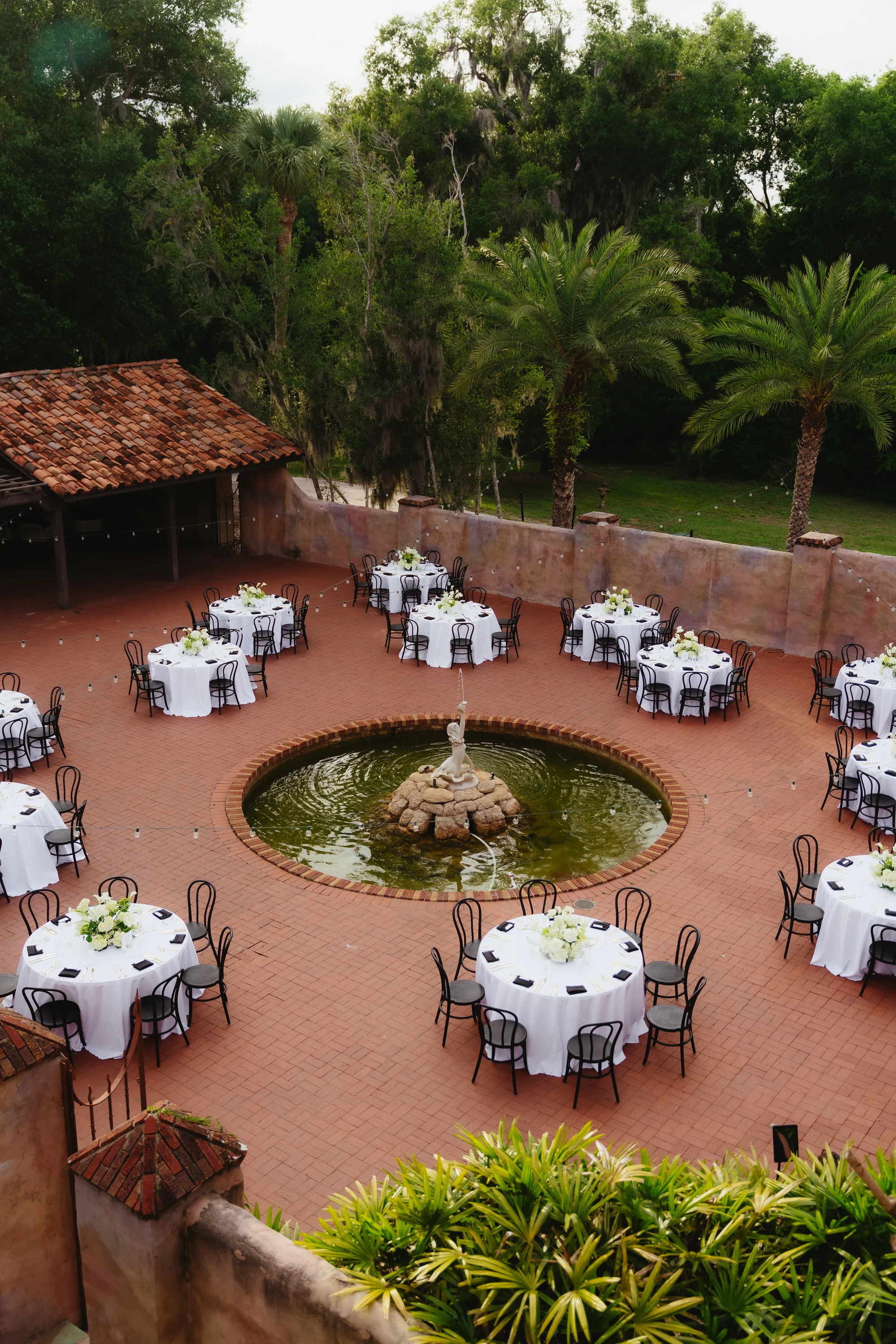
Couples with 75–124 guests spend an average of $2,876 on wedding flowers.
A typical order in this range includes about 13 reception pieces, 5 bridesmaid bouquets, 7 boutonnieres, and 4 ceremony pieces. Compared to a 50-person wedding, that's roughly 3 more reception pieces, 2 more bridesmaid bouquets, and 2 more boutonnieres, but the total spend increases by only about $265. Per-piece cost gets more efficient as the order grows, which is why the jump from 50 to 100 guests doesn't produce a proportional jump in budget.
At 100 guests, you're generally past minimum package territory and building a fuller design. The centerpiece count starts to carry a significant portion of the budget. That's where specific choices, like bud vases versus elevated arrangements or reception-only versus cocktail hour coverage, start to make a real difference. For more on how centerpiece style affects per-table cost at this scale, the Cocktail Hour Flower Arrangements guide → covers the options.
How Much Do Wedding Flowers Cost for a 200-Person Wedding?
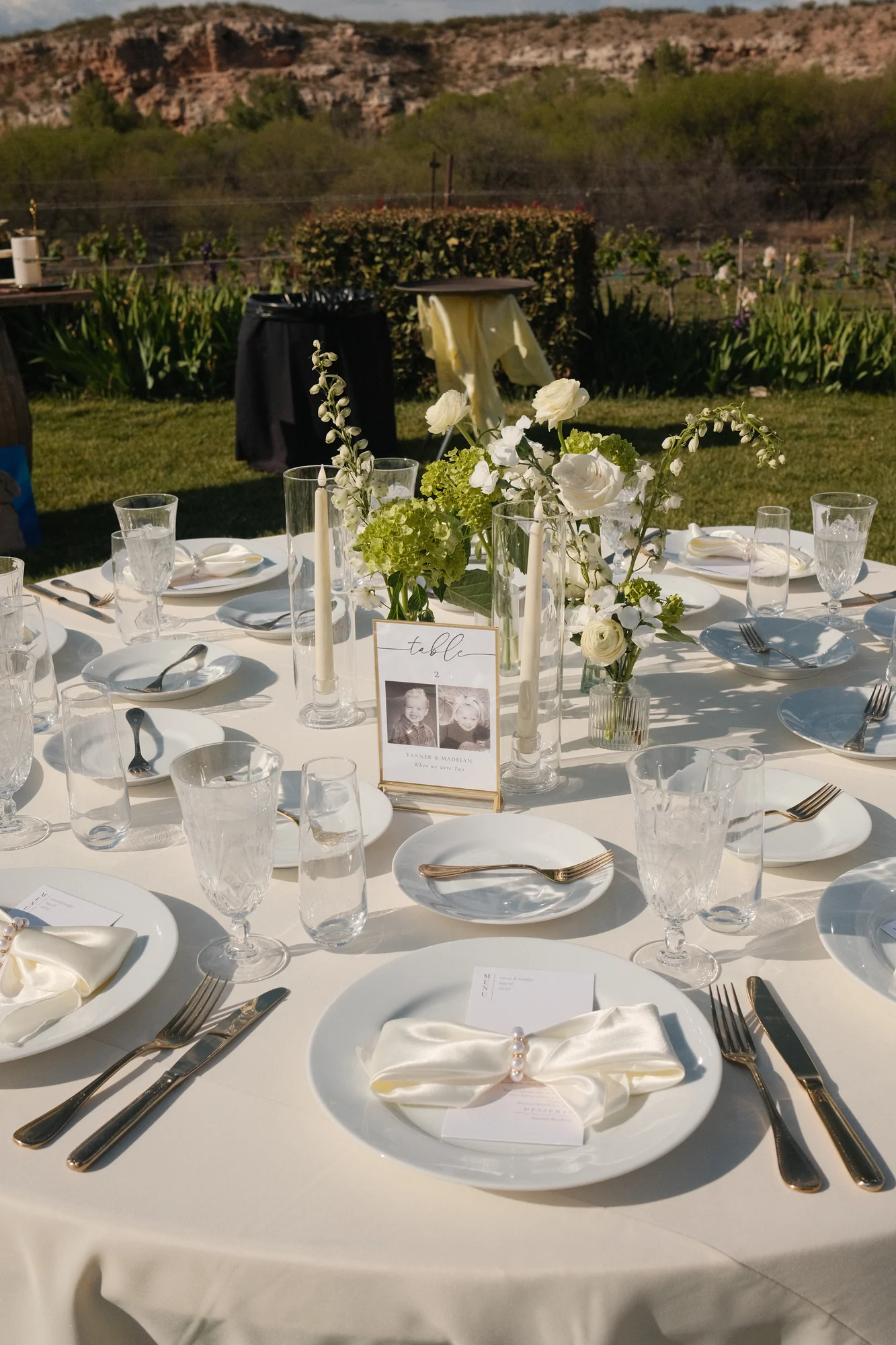
Couples with 175–250 guests spend an average of $3,403 on wedding flowers.
A typical order at this size includes about 18 reception pieces, 8 bridesmaid bouquets, 10 boutonnieres, and 4 ceremony pieces. The piece counts have roughly doubled from the 50-person tier, but total spend has increased by only about $800. Floral spend doesn't grow proportionally with guest count at scale. Per-piece cost decreases as the order grows, which is why larger weddings often find the math more efficient than they expected going in.
At 200 guests, the design conversation centers on reception coverage: table count, centerpiece style, and whether cocktail hour florals are part of the plan. Wedding party flowers grow in number but represent a smaller share of the overall budget than they would at a smaller wedding. The within-tier variation at this size comes almost entirely from the centerpiece decision.
What Actually Changes the Math
The averages above are real, but they're averages. Individual spend within any tier depends on a few specific factors:
Flower choice. Dahlias, garden roses, and ranunculus cost more per stem than carnations and chrysanthemums. A design built around higher-cost blooms will run above the tier average; one built around more available stems will come in at or below it.
Centerpiece style. Bud vases run lower than elevated arrangements or compote-style centerpieces. The centerpiece decision affects total cost more than almost any other single choice at the design level.
Add-ons. Escort card table florals, cocktail hour pieces, bar arrangements, and flat lay florals for photography all add to the final number. They sit outside the guest-count formula, but they're common inclusions.
What doesn't move the number significantly: general aesthetic category (romantic, modern, garden) without a corresponding change in flower choice or piece count. Style preferences matter at the stem level, not the vibe level.
These figures come from the same proprietary order data behind How Much Do Wedding Flowers Cost in 2026? Real Prices from 7,500+ Weddings → — broken down by guest count instead of collapsed into a single average.
If your guest count falls in one of these ranges and you want to see what your specific setup would cost, the proposal tool does the actual math.
See what your guest count and style would cost →
Working with a tighter budget? Affordable Wedding Flowers: Budget-Friendly Guide for Couples →