


Trends & Inspiration
Spring Wedding Flowers: 3 Styles Defining the Season Right Now
Trends & Inspiration
Spring's biggest advantage isn't one single stem: it's creative range. Between March and May, the flowers couples want most (peonies, ranunculus, garden roses, sweet peas, tulips) are all at peak availability at the same time. The palette options run from barely-there neutrals to fully saturated color, which means almost any aesthetic is achievable with flowers that are naturally in season.
So instead of handing you another list of spring blooms organized by month, we're walking through three distinct spring wedding aesthetics, each with a palette, a floral design approach, and practical context to help you figure out which one actually feels like your wedding.
One thing worth knowing before we get into it: designing with seasonal flowers isn't just a design philosophy. It's a practical one. When the stems you're working with are at their peak, they're fresher, more abundant, and more accessible. That doesn't mean cheap. It means your budget stretches further, and the flowers themselves are at their absolute best.
The Modern Romantic: Soft, Layered, and Effortlessly Undone
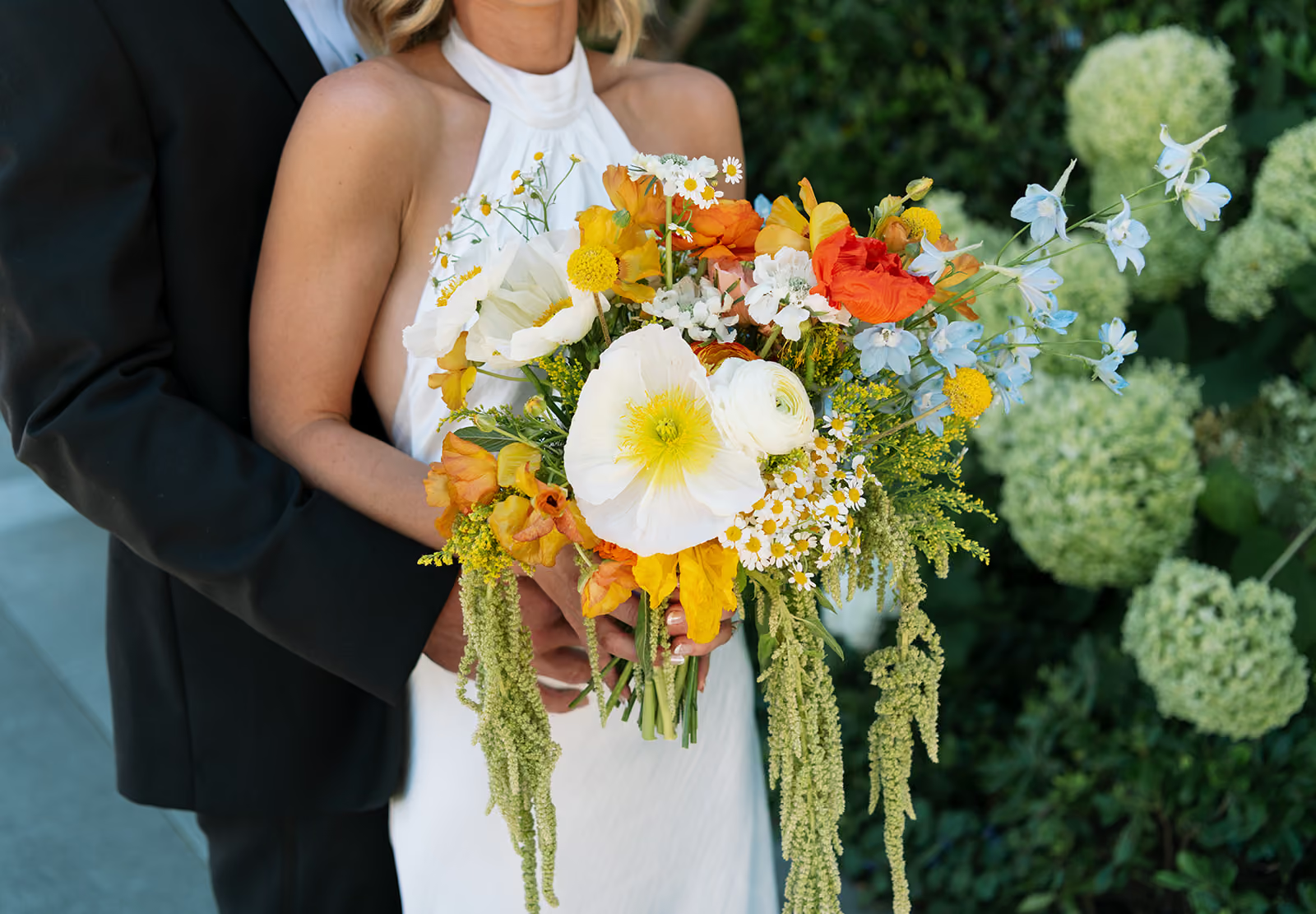
The mood here is warm and organic, like someone walked through a garden at peak bloom and came back with armfuls of flowers. There's movement in every piece. Petals might be falling, and that's the point. This isn't a structured, tightly packed arrangement. It's florals that breathe.
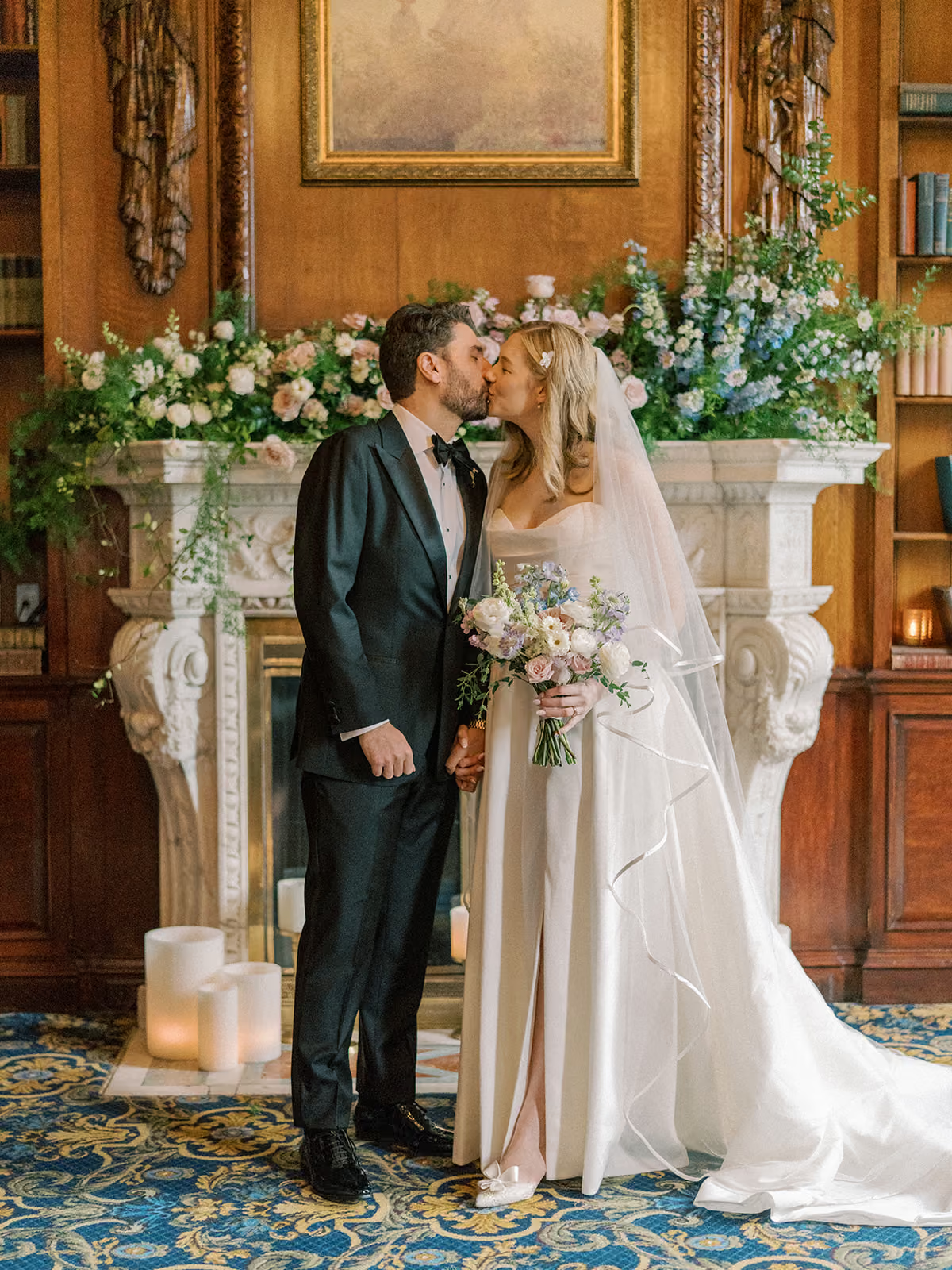
The palette leans into warm pastels with actual depth: pale lemon and ivory, blush and champagne, lilac and cream. These aren't the washed-out pastels of a decade ago. They're richer and more grounded, and they photograph with real dimension in spring's softer light.
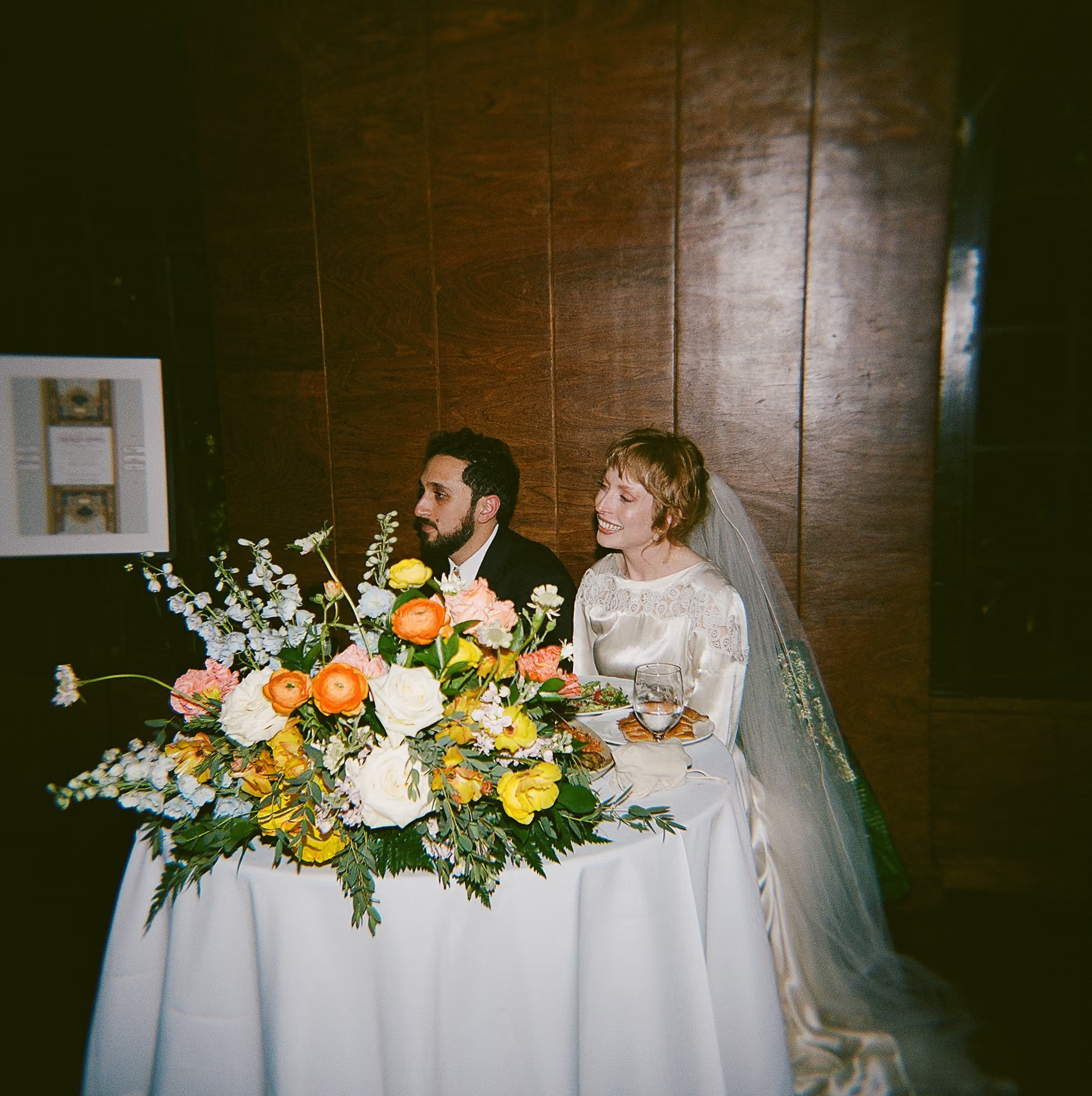
The floral approach is loose and organic. Think asymmetrical bouquets with varied stem lengths. Centerpieces that feel abundant but not overdone, with layered textures instead of tight, round arrangements. This is where garden roses, ranunculus, sweet peas, and trailing greenery naturally live. The look leans into movement and fragrance. Sweet peas and garden roses are two of the most fragrant spring stems, and that sensory layer (the way a table smells when you sit down) is part of the experience in a way most design guides don't talk about.
This aesthetic thrives at garden venues, estates, barns with natural light, and outdoor ceremonies, anywhere the florals can feel like an extension of the landscape rather than something placed on top of it.
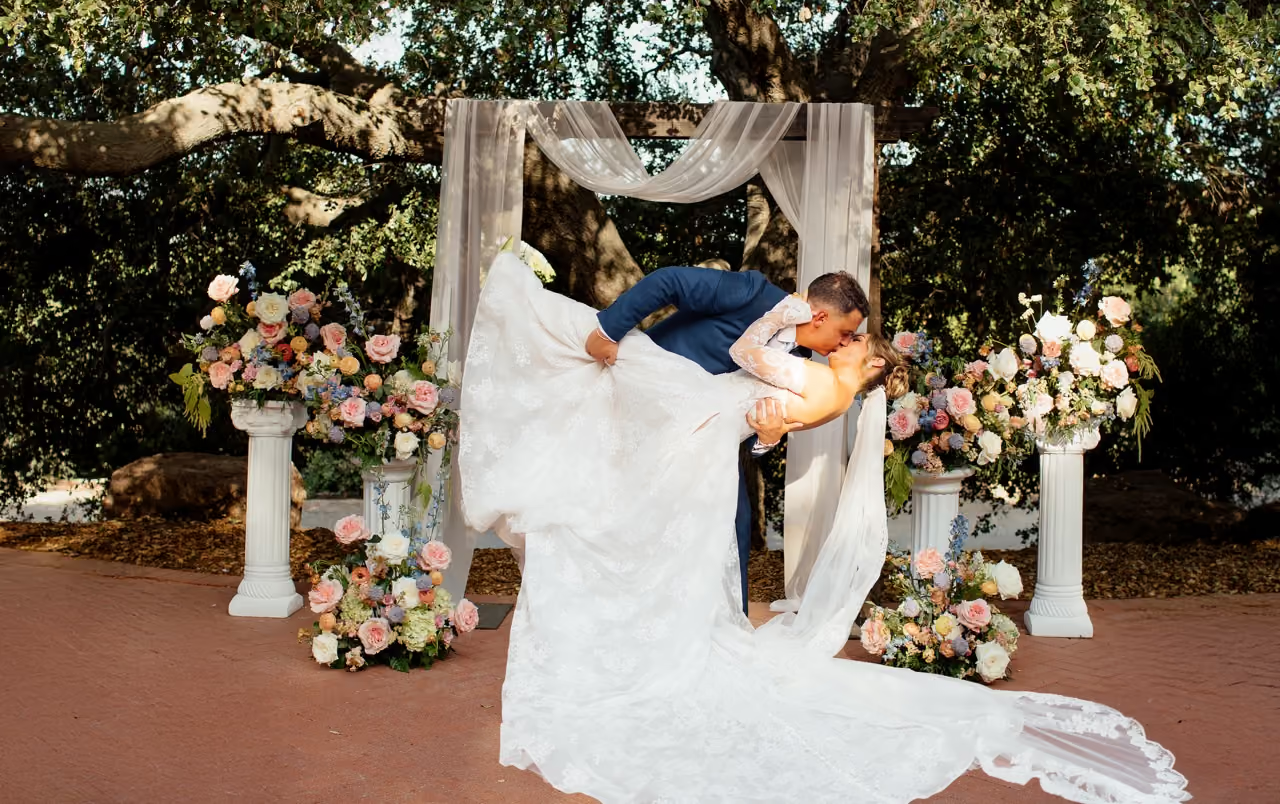
Poppy Tip: The secret to that "just gathered" feeling is mixing bloom stages: tight buds alongside fully open flowers, with varied stem heights throughout. It creates natural depth that a uniform arrangement can't. And spring is the one season where nearly every stem this look relies on is at peak availability, which means your designer has the widest possible palette to work with.
What makes this aesthetic especially accessible in spring is that it's built on seasonal staples. Garden roses, ranunculus, and sweet peas are all at their best and most abundant between March and May. The organic, less-structured approach also tends to require less labor-intensive design work compared to something highly architectural, so the look that feels effortless actually works in your favor on cost, too. If you're curious about how this translates to actual numbers, our wedding flowers budget guide breaks it down.
The Bold Spring: Color, Contrast, and Statement Florals
This one's for the couple who scrolled past every blush-and-greenery board and thought, "that's not us." The mood is confident and joyful. The floral design is intentional and editorial: it makes a statement when you walk into the room.
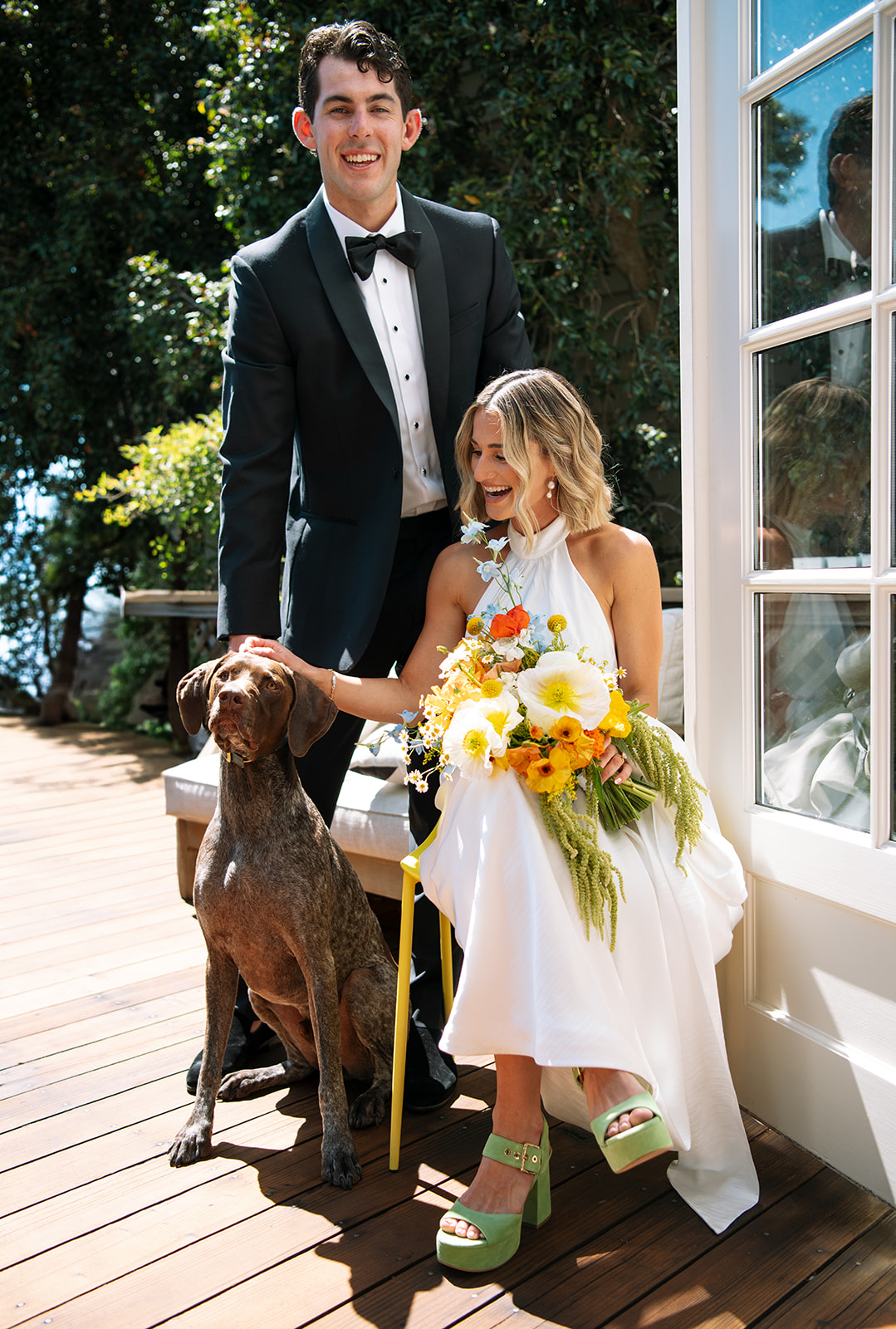
The palette commits. Butter yellow and white. Citrus tones: lemon, tangerine, lime green. Saturated lilac paired with a contrasting warm tone. Cobalt blue accents. What ties these palettes together isn't a specific color: it's the confidence to pick a direction and go all in instead of hedging with neutrals.
The floral approach is more graphic and repetitive than the Modern Romantic. Monofloral or near-monofloral groupings: a mass of tulips in a single saturated shade, ranunculus clustered by color for impact. The arrangements might be fewer, but they're bolder. Shapes are cleaner, negative space is more intentional.
It thrives in modern venues, lofts, rooftops, city restaurants, and art galleries, spaces with architectural character where the flowers need to hold their own against clean lines and interesting backdrops.
Poppy Tip: Monofloral designs work with fewer varieties and simpler sourcing, which helps on cost. But the impact comes from volume and repetition: the key is choosing one or two stems and fully committing. For spring, parrot tulips, French tulips, and ranunculus deliver the most visual drama per stem. They're the flowers that make people stop and pull out their phones. One note: specialty tulip cultivars carry a higher per-stem cost, so the tradeoff is that you typically need fewer total stems. The design is about impact, not coverage. It's a different budget math than the Modern Romantic, but not necessarily a bigger one.

The Sculptural Minimalist: Clean Lines, Intentional Space, and Every Stem Considered
The mood is curated, gallery-like, and architectural. This couple doesn't want abundance; they want precision. Every flower is a design decision. The arrangements feel like objects in a space, not decorations layered on top of it.
The palette is restrained on purpose. All-white or near-white, with dimension built through texture and shape variation rather than color. Or a very controlled two-tone palette: white and one accent (a single shade of green, a muted terracotta, a pale lilac). The restraint is the statement.
This is where the 2026 architectural and sculptural trend lands for spring. Long-stemmed bouquets with exposed stems. Calla lilies, anthuriums, or orchids as anchor stems, chosen for their shape and line, not just their color. Intentional negative space in every arrangement. Bud vases or single-stem moments instead of cascading centerpieces. Where supporting spring stems appear (a few ranunculus, some garden roses), they're placed deliberately, adding textural contrast rather than filling space.
It thrives in modern art museums, minimalist lofts, sleek urban venues, and contemporary restaurants, spaces that already have a strong visual identity and don't need florals to create atmosphere. They need florals to sharpen it.
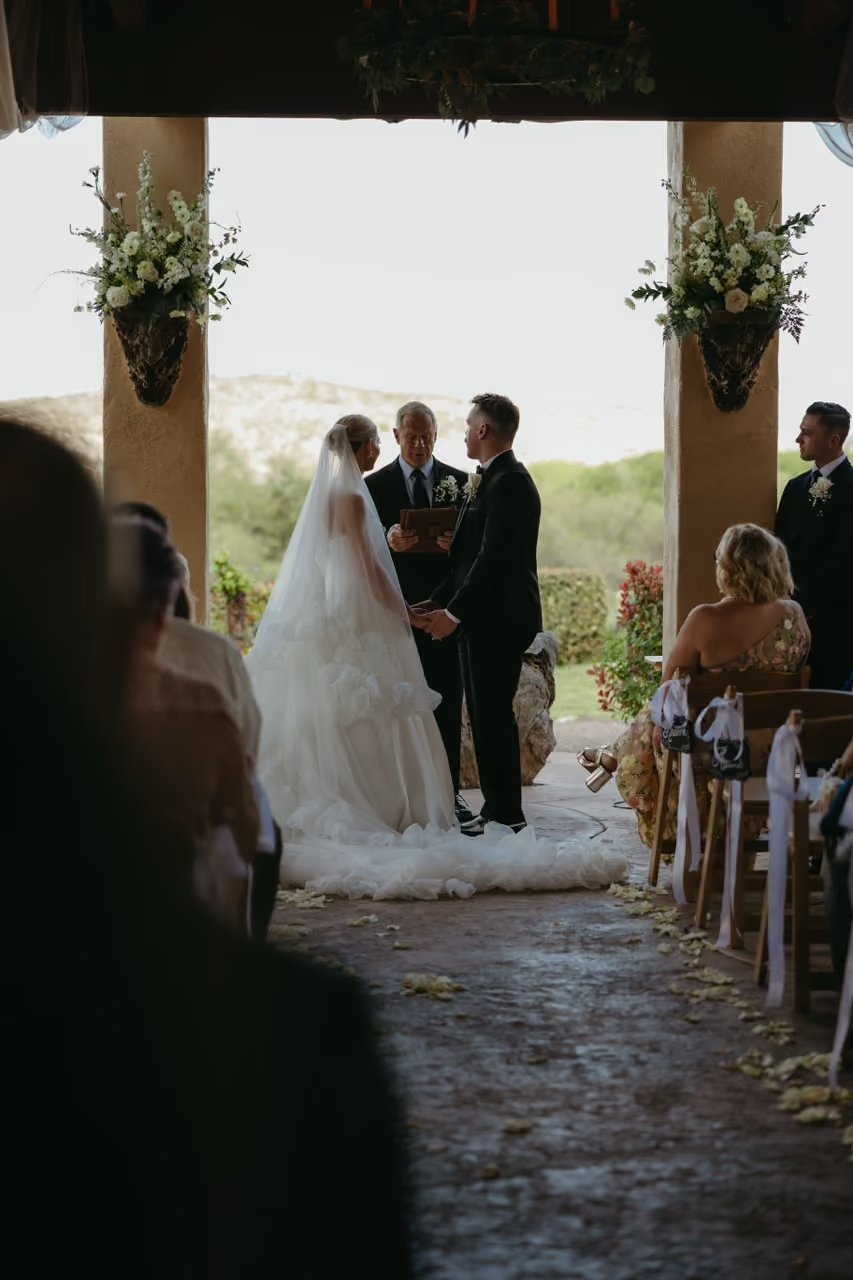
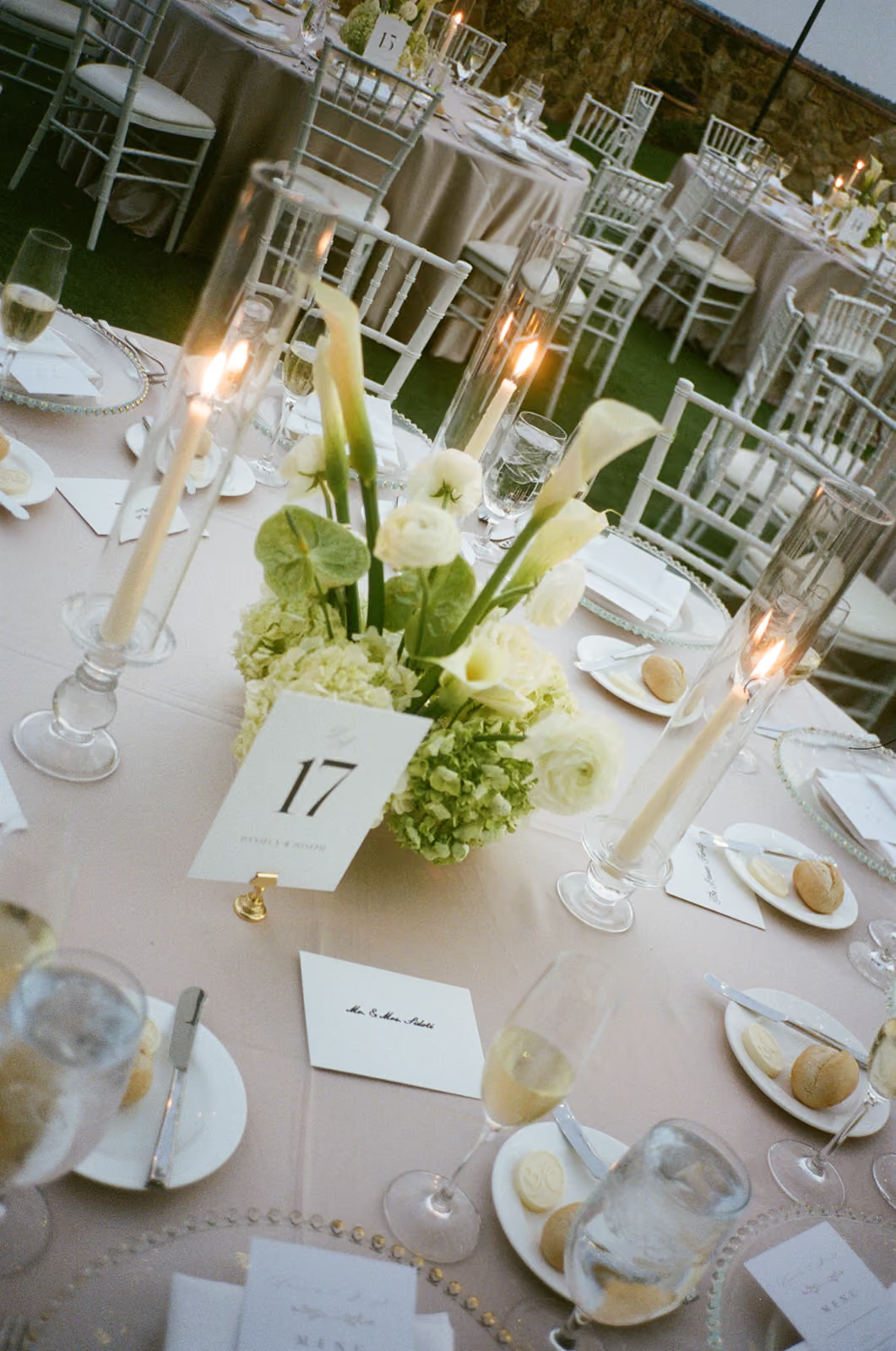
Poppy Tip: This look uses fewer total stems, but it leans on premium, architectural varieties (calla lilies, orchids, and anthuriums) that carry serious presence per stem. The design investment comes from the stem choices and the precision of placement, not volume. Think of it like a well-edited wardrobe versus a packed closet: fewer pieces, but each one is doing real work.
A note on cost, because this aesthetic can be deceptive: fewer flowers doesn't automatically mean lower cost. Calla lilies, orchids, and anthuriums are premium stems year-round. For couples drawn to this look but mindful of budget, spring offers a smart play: use a few premium architectural stems as anchors and pair them with seasonal ranunculus or garden roses for supporting texture at a more accessible price point. You still get the clean, editorial feel, just with a smarter mix.
Why Spring Light Changes Everything
Spring light almost never comes up in flower guides, but it makes a real difference in how your wedding photographs. The natural light between March and May is softer and warmer than summer: pastels and whites pick up depth instead of blowing out, warm tones glow rather than washing flat, and floral arrangements look more three-dimensional. You can see the layers, the texture, the subtle color shifts between petals.
For couples who care about photography (and if you've read this far, you probably do), this is worth factoring into your design thinking. A late-afternoon April ceremony in golden spring light will make those garden roses look different than the same flowers under harsh July sun. It's one of the reasons spring weddings have such a distinct visual quality, and it's something a floral designer thinks about when building your arrangements for a specific venue and time of day.
Start With the Feeling
The point of these three aesthetics isn't to pick one and stick rigidly to it. Some of the best spring weddings blend elements, like a mostly romantic palette with one bold sculptural installation as the ceremony focal point, or a minimalist tablescape warmed up with trailing sweet peas. The aesthetics are a starting point, not a rulebook.
Start with a feeling. What do you want your wedding to look like when you walk in? What do you want it to feel like in photos a year from now? That's how the Poppy team approaches every consultation: the first question isn't "which flowers do you want?" It's "what do you want your wedding to feel like?" The flowers build from there.
If you've got a spring date and want to talk through what's possible, we'd love to help. We'll build a proposal around your vision, your venue, and your budget, and with our Secure Now, Refine Later approach, you can lock in your date without needing every detail figured out yet.
Check availability for your date →
Still figuring out the budget side? See how much wedding flowers actually cost to get a clear picture before your consultation.