


What is Ikebana Flower Arrangement?
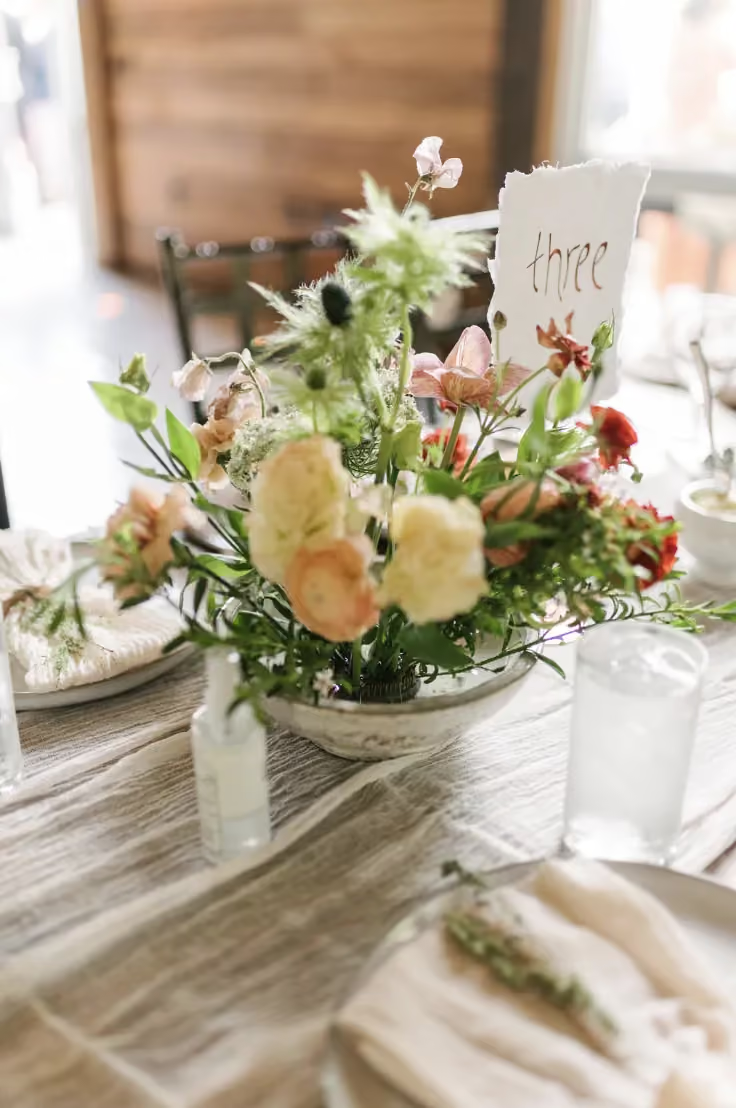

Do you want to make your wedding flowers stand out in a sea of peonies and roses?
What if we told you there's a way to turn your floral arrangements into living works of art?
Here comes Ikebana, the Japanese art of flower arrangement that's taking the wedding world by storm!
Ikebana is all about embracing minimalism, structure, and profound meaning. It's like yoga for flowers – every stem has a purpose, and every leaf is intentional.
Couples are falling head over heels for this trend, and we can't blame them. In a world of more-is-more wedding decor, Ikebana offers a breath of fresh air. It's elegant, it's thoughtful, and boy, does it make a statement!
With its clean lines, negative space, and a focus on the natural beauty of each bloom - Isn’t Ikebana perfect for couples who want their wedding to feel modern, sophisticated, and just a little bit different?
In this blog, we'll share everything about Ikebana-inspired wedding flowers. Let’s explore why this centuries-old art form is suddenly the hottest thing in weddings, and how you can incorporate it into your big day.
Trust us, by the time we're done, you'll be looking at flowers in a whole new way. And who knows? You might just find yourself signing up for an Ikebana class before your wedding day!
Let's get started exploring this beautiful art form together!
What is Ikebana Flower Arrangement?
Before we dive into how Ikebana can transform your wedding flowers, let's take a moment to understand what it's all about. This isn't just about sticking flowers in a vase!
History and Origin of Ikebana
Ikebana has deep historical roots. We're talking 6th-century Japan, folks!
This art form started as a Buddhist ritual, believe it or not. Monks would offer flowers to honor the spirits of the dead. Over time, it evolved into a highly respected art form, spreading beyond temple walls and into the homes of aristocrats and common folks.
Fast forward to today, and Ikebana has gone global. It's practiced worldwide, with schools and exhibitions popping up everywhere from New York to Paris.
The Purpose of Ikebana
Expressing Emotion and Conveying Meaning
Here's where Ikebana is cool. It's not just about making pretty arrangements – it's about telling a story.
Each stem, each leaf, and each space has a purpose. It's like a floral poem, expressing emotions and ideas without saying a word.
Want your wedding flowers to radiate joy, serenity, or love? Ikebana effortlessly captures and conveys these emotions, making your floral arrangements deeply meaningful and uniquely personal.
Connecting with Nature
In today’s busy, tech-filled lives, Ikebana invites us to slow down and connect with the natural beauty around us.
It's about appreciating the graceful curve of a branch, the texture of a leaf, and the intentional spaces between stems. Infusing your wedding with Ikebana means bringing a touch of nature’s harmony and elegance into your special day, creating a serene and enchanting atmosphere that truly stands out.
That's what Ikebana does best.
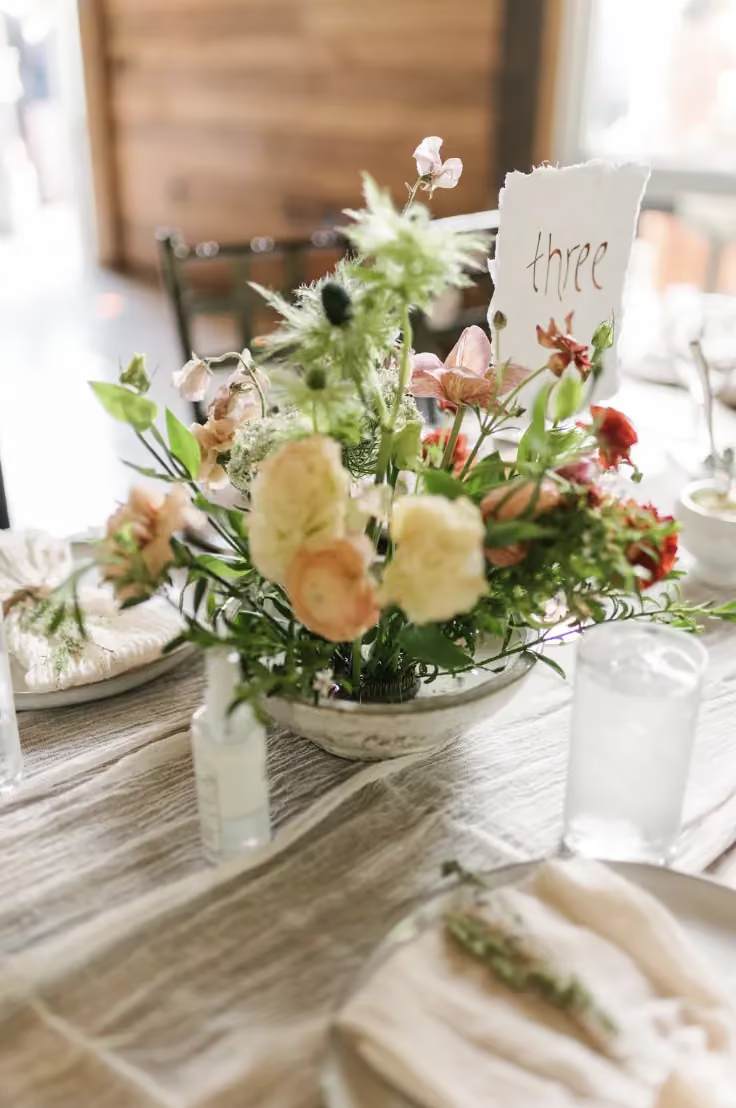
Encouraging Mindfulness and Meditation
Creating an Ikebana arrangement isn't a rush job. It's a meditative process that requires focus and presence.
Imagine taking a moment amidst the wedding planning chaos to create something beautiful with your own hands. It's like hitting the pause button on stress and tuning into the present moment.
And on your big day? That sense of calm and focus can spread to your guests, creating an atmosphere of mindful celebration.
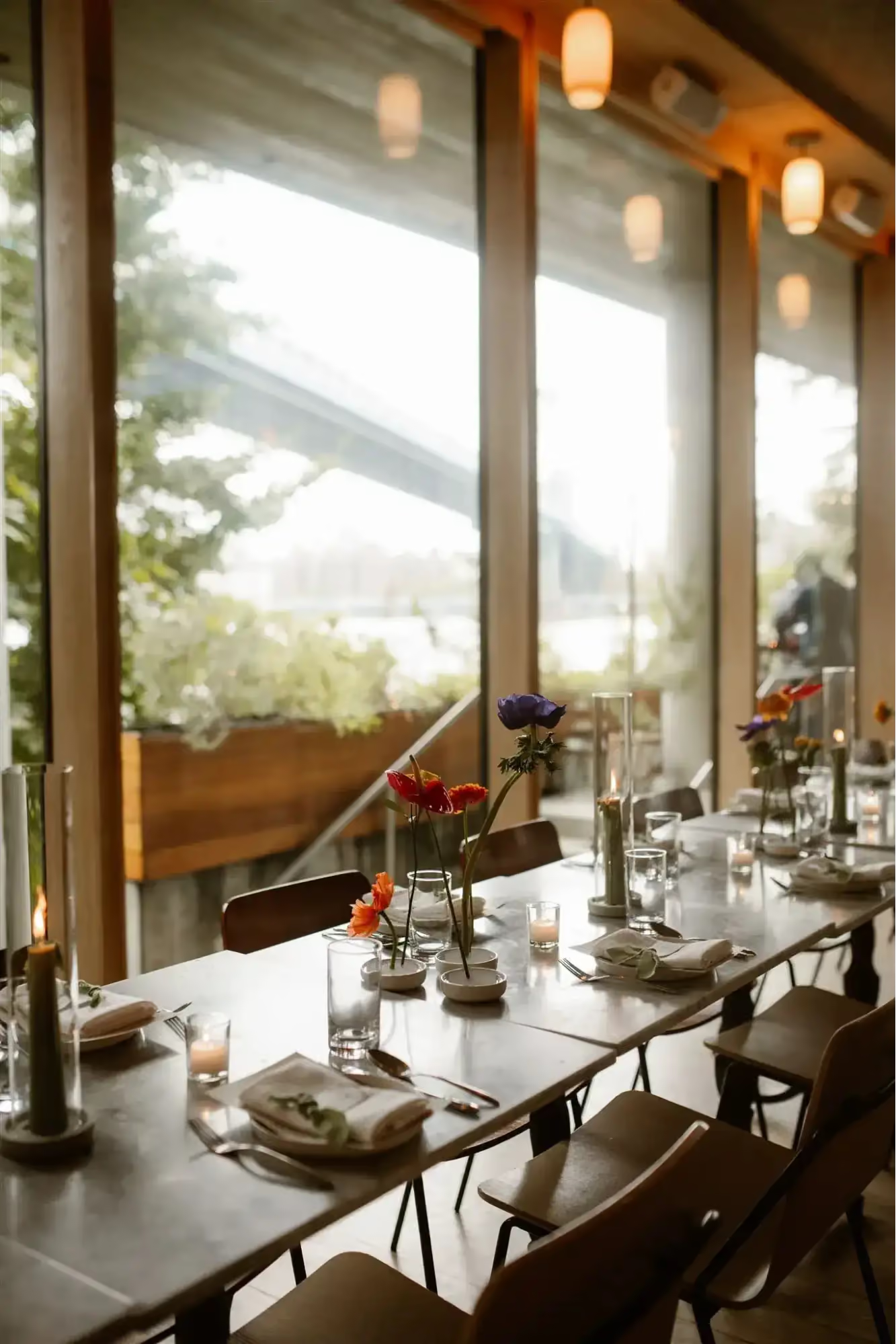
What are the Principles of Ikebana?
Alright, let's dive into the heart of Ikebana. We are not talking about throwing some flowers in a vase and calling it a day. There's a method to this stunning arrangement, and it's all about these key principles:
Minimalism
Less is more. Ikebana is truly about keeping things simple and letting each element shine.
You won't see overstuffed bouquets here. Instead, it's about carefully choosing each stem and giving it room to breathe.
And that empty space? It's not just empty – it's part of the design. In Ikebana, what you leave out is just as important as what you put in.
Balance and Harmony
Think of Ikebana as a delicate balancing act, creating harmony between different elements.
Lines, shapes, and colors come together in a beautifully imperfect dance.– they all need to play nicely together. But don't think symmetrical. Rather than striving for symmetry, Ikebana embraces asymmetry to achieve a sense of balance that feels both natural and captivating.
Seasonality
Ikebana is about celebrating nature.
Each season brings its own stars to the show. Spring cherry blossoms, summer sunflowers, autumn leaves, winter branches – Ikebana embraces them all.
It's about capturing the essence of the moment in your arrangement.
Reverence for Materials
In Ikebana-style floral arrangements, every stem is a superstar. It respects and showcases the natural beauty of each element.
Do you have a branch with an interesting twist? A flower with uniquely curved petals? Ikebana says, "Let's make that the star!"
It's not about forcing materials into a predetermined shape but enhancing their natural forms.
These principles might sound simple, but mastering them? That's where the art comes in.
How to Create Ikebana Wedding Floral Arrangements?
Ready to bring the unique elegance of Ikebana to your wedding flowers? Here's how you can incorporate this Japanese art into different aspects of your big day:
Ceremony arrangements
Let's start with your ceremony space. Ikebana-inspired arrangements can turn your altar into a stellar work of art and a breathtaking focal point.
Think tall, slender vases with just a few carefully chosen stems. A single striking branch with a bloom or two can make a powerful statement. For aisle markers, consider small, low arrangements that draw the eye without overwhelming the space.
Don't forget about those natural elements. A twisted piece of driftwood or an interesting rock can be just as important as the flowers in an Ikebana arrangement.
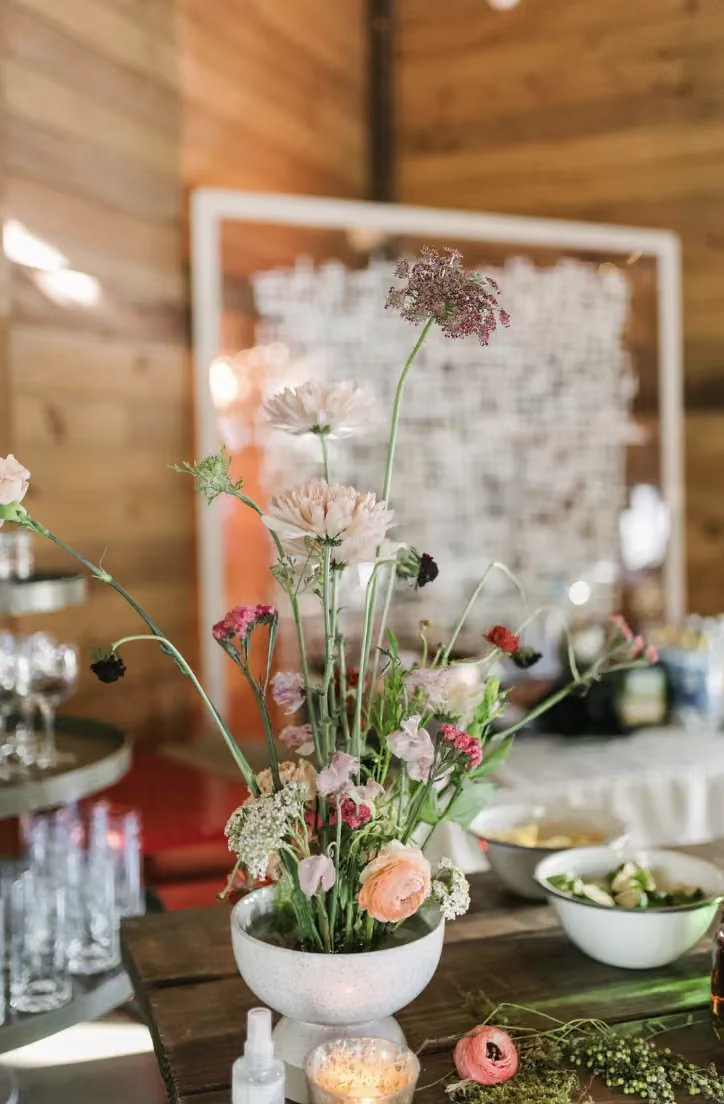
Ikebana wedding centerpieces
Now, let’s turn our attention to your reception tables. Ikebana centerpieces are all about making a statement with simplicity and elegance.
Try using a variety of heights to create interest. A tall, spare arrangement in the center, flanked by smaller, complementary pieces can work wonders.
Remember, empty space is your friend here. Don't feel the need to fill every inch of the table.
Play with textures, too. Combining smooth, polished river stones with rough bark or delicate petals can create a captivating arrangement without an overload of flowers.
Bridal bouquets and personal flowers
When it comes to personal flowers, Ikebana principles can create some truly unique pieces.
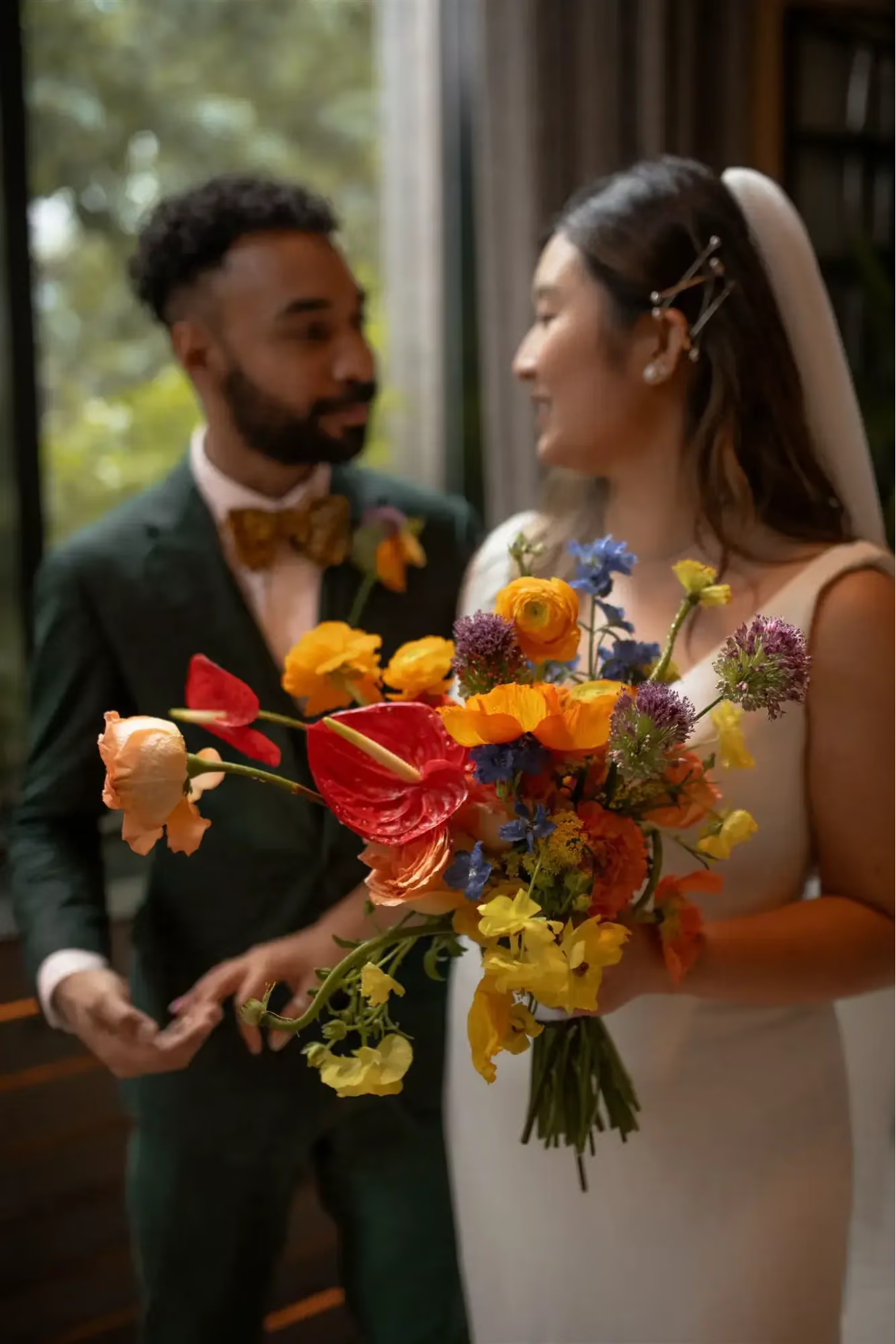
For bridal bouquets, think of quality over quantity. A few perfect blooms, thoughtfully arranged with interesting foliage or branches, can be stunning. The focus is on the form and line of each element, not on creating a massive ball of flowers.
Boutonnieres and corsages get the minimalist treatment too. A single bloom with a touch of greenery, or even an interesting leaf or small branch, can make a stylish statement.
Remember, the key to Ikebana wedding flowers is thoughtfulness. Each element should be chosen with care and placed with intention. It's not about how many flowers you use, but how you use them.
What are the Best Ikebana Wedding Flowers?
Choosing the right flowers is key to nailing that perfect Ikebana look. Here's a rundown of some top picks that work beautifully in Ikebana-inspired wedding arrangements:
Seasonal Blooms
Embracing seasonal flowers is key to capturing the essence of Ikebana. What's blooming right now is what you should be using in Ikebana. You must be in tune with nature's rhythm.
- Spring weddings? Cherry blossoms are your go-to. They're delicate, beautiful, and quintessentially Japanese.
- Summer calls for iris - their long, elegant stems are perfect for creating those classic Ikebana lines.
- Fall weddings can showcase chrysanthemums, a flower deeply respected in Japanese culture.
Choosing seasonal blooms isn’t just about aesthetics; it’s about celebrating nature and the passage of time. It’s a thoughtful way to weave the beauty of the natural world into your wedding day.
Using seasonal blooms isn't just about looking good. It's about creating a connection to the natural world and the passage of time. Pretty deep for some wedding flowers, right?
Flowers with Interesting Forms and Lines
The best flowers for Ikebana are the ones with unique shapes. Each stem showcases the natural beauty and shines in these arrangements.
- Orchids: Orchids are a favourite in Ikebana arrangements. Their gracefully curved stems and exotic blooms add an immediate touch of drama and elegance. Their intricate forms make them a natural choice for creating focal points in your arrangements.
- Calla Lilies: With their smooth, sculptural shapes, calla lilies are ideal for minimalist Ikebana designs. Their sleek, elegant lines can stand alone as a stunning piece, bringing sophistication and simplicity to your floral arrangements.
- Bird of Paradise: For a real showstopper, consider the bird of paradise. Its bold, dramatic form and vivid colours make it a striking focal point. This flower’s unique appearance adds a vibrant and memorable element to your wedding decor.
Do not forget, that in Ikebana, each flower is chosen to stand out, not blend in. So don't be afraid to let these statement blooms take center stage.
Foliage and Branches
Here's where Ikebana sets itself apart from traditional Western flower arranging. Foliage and branches aren't just filler - they're stars of the show.
- Pine Branches: Pine branches introduce a touch of evergreen freshness that complements any season. Their texture and subtle fragrance add a timeless quality to your arrangements, perfect for adding depth and a hint of nature’s resilience.
- Bamboo: Bamboo’s strong vertical lines bring a sense of structure and elegance to Ikebana arrangements. Its clean, architectural form helps create balance and harmony, making it a versatile choice for a variety of wedding themes.
- Maple Branches: For a stunning autumnal display, consider maple branches with their vibrant leaves. They provide a burst of colour and texture, celebrating the changing seasons and adding a rich, seasonal touch to your wedding decor.
- Twigs and Bare Branches: Don’t overlook the beauty of simple twigs or bare branches. In Ikebana, their line and form can be just as impactful as the most elaborate blooms. Their understated elegance and natural shapes offer a minimalist charm that highlights the artistry of the arrangement.
The key with Ikebana-inspired wedding flowers is to let each element speak for itself. Give it space to shine, whether it's a showy orchid or a simple pine branch. Your arrangements might have fewer elements than traditional wedding flowers, but each one will make a big impact.
What are the Different Styles of Ikebana?
Just when you thought you had Ikebana figured out, surprise! There's more than one way to arrange these flowers.
Let's break down the main styles you might want to consider for your wedding:
Rikka
Rikka is the granddaddy of Ikebana styles, dating back to the 15th century.
It reflects formality and structure. You'll see a tall, vertical stem right in the center, with other elements arranged around it. It's meant to represent a whole landscape in miniature. Pretty ambitious for a flower arrangement, right?
Rikka could work well for a traditional, formal wedding. Just be warned - Rikka is intricate and requires a deft touch, so it’s ideal for couples seeking a timeless and classic floral display.
Seika
If Rikka is the strict elder, Seika is the more laid-back younger sibling. It's still got rules, but it's a bit more chill about following them.
Seika arrangements typically have three main stems representing heaven, earth, and humanity. It showcases the natural beauty of the flowers and branches. This style could be perfect for a wedding that wants to nod to tradition while keeping things relatively simple.
Nageire
Now we're getting into the rebel of Ikebana styles. Nageire throws out the rulebook - or at least the part about using a kenzan (that's a spiky thing used to hold flowers in place).
In Nageire, flowers are arranged freely in a vase or container to create a natural, spontaneous look. This could be great for a more casual, bohemian wedding vibe.
Modern Ikebana
If you're thinking, "These all sound a bit too traditional for me," then Modern Ikebana might be your jam.
This style takes the principles of Ikebana and runs wild with them. You might see unconventional materials like wire or plastic mixed in with flowers. Or arrangements that play with space in unexpected ways. It's Ikebana for the 21st century.
Modern Ikebana could be perfect for couples wanting a contemporary, artistic feel to their wedding flowers.
Remember, these styles aren't strict categories. Many modern Ikebana artists mix and match elements from different styles. The key is finding an approach that resonates with you and your wedding vision.
Plan Your Ikebana-Inspired Wedding
So, you've made it through our crash course in Ikebana. Pretty cool and captivating , right?
Ikebana-inspired weddings offer something truly special. They bring a sense of calm and intentionality to your big day. Each arrangement becomes a little moment of zen amid the wedding whirlwind.
Plus, let's be honest, they look exceptionally stunning in photos.
If you're intrigued by the idea of incorporating this Japanese art into your wedding, you're not alone.
More and more couples are drawn to the minimalist beauty and deep symbolism of Ikebana-inspired arrangements.
At Poppy Flowers, we've got a team that knows their way around an Ikebana arrangement. Our florists can create harmonious, minimalist compositions that capture the essence of this art form.
Whether you're enchanted by the classic elegance of Rikka or intrigued by the contemporary flair of Modern Ikebana, we can customise our creations to perfectly complement your wedding theme.
Ready to explore how Ikebana can elevate your celebration? Fill out this form or drop us an email to set up a consultation. Let's explore how we can add a touch of Japanese floral artistry to your special day.
FAQs
What are the three rules of ikebana?
Ikebana isn't about strict rules, but there are three main principles:
- Minimalism: Less is more. Each element should have a purpose.
- Balance: Create harmony between the different components.
- Asymmetry: Avoid perfect symmetry for a more natural look.
Remember, these are guidelines, not hard-and-fast rules. Ikebana is an art form, after all!
How long do ikebana arrangements last?
Ikebana arrangements typically last 3-7 days, depending on the flowers used and how well they're cared for. Some elements, like branches or dried materials, can last much longer. The beauty of Ikebana is in its impermanence - it's meant to be a reflection of the moment.
What materials are used in Ikebana?
Ikebana uses a wide range of materials, such as:
- Fresh and dried flowers
- Branches and twigs
- Leaves and grasses
- Fruits and seedpods
- Non-plant materials like stones or feathers
- Containers like traditional ceramic vases and modern sculptural pieces
The key is choosing materials that work together to create a harmonious composition. At Poppy Flowers, we can help you select the perfect elements for your Ikebana-inspired wedding arrangements.