

Trends & Inspiration
Summer Wedding Flowers 2026: The Citrus and Butter Yellow Direction That's Actually Personal
Trends & Inspiration
You've been saving images for months. Loose bouquets. Romantic tablescapes. Ceremony arches layered with greenery. Most of them are white or blush. Some are cream with a little dusty pink. They're beautiful — and none of them feel like your wedding.
It isn't hard to see why. Blush and white work almost anywhere. They photograph beautifully, suit nearly every venue, and appeal to almost everyone. That's exactly why they can start to feel interchangeable.
If you've been looking for something warmer, more personal, and harder to mistake for someone else's wedding, the citrus and butter yellow direction defining summer 2026 may be what you've been circling all along. You just didn't have a name for it yet. Our post on 2026: The Year of Self-Expression explores why so many couples are moving in this direction.
A Color Palette Built for Summer Light
Citrus isn't just a color palette. It's a response to summer itself.
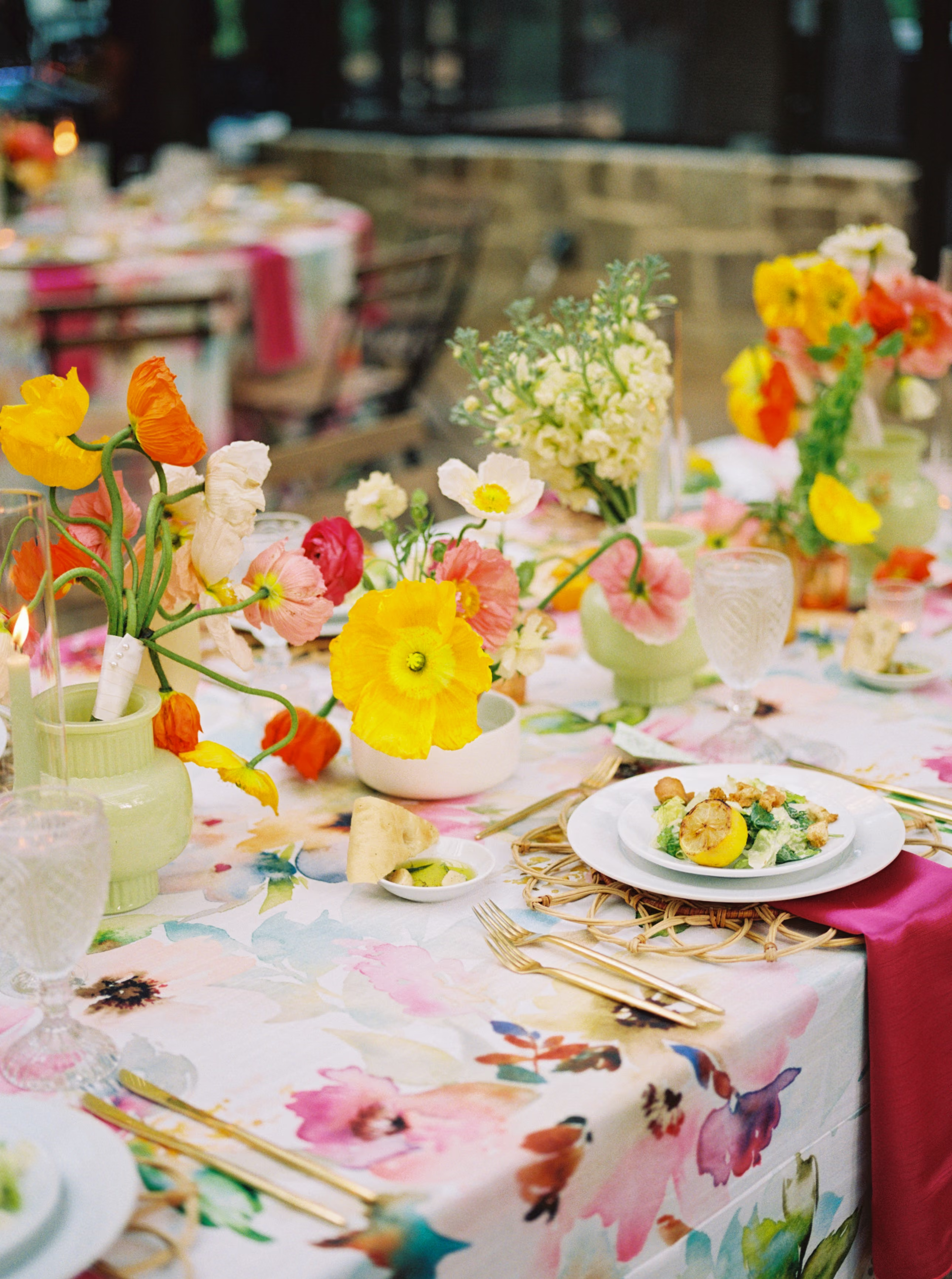
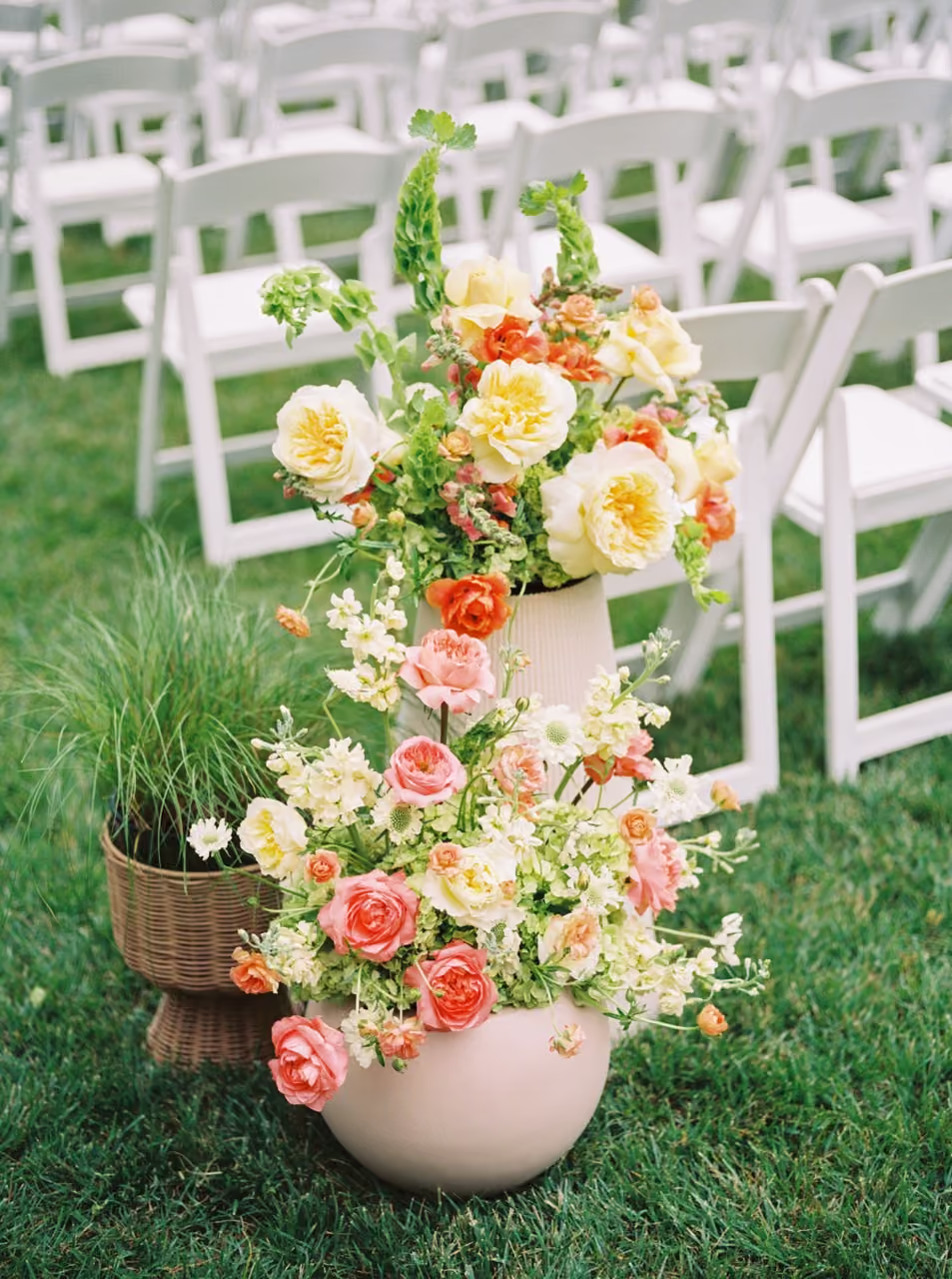
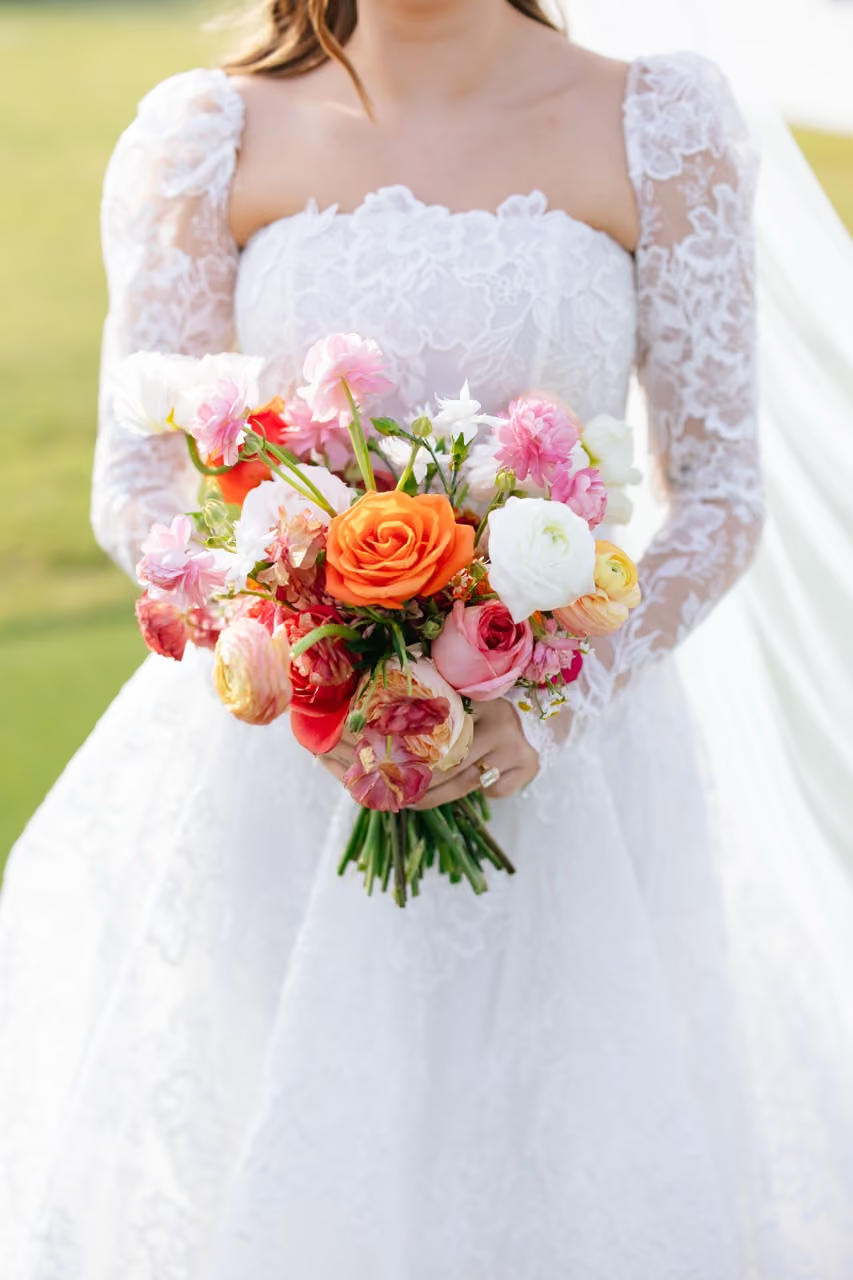
Garden roses in butter yellow, soft peach, and coral change completely outdoors. Afternoon light catches the edges of the petals and pulls the warmth forward. A buttery yellow rose that looks understated indoors suddenly glows against green grass and open sky. Dahlias in deep coral and amber do the same, adding richness without feeling heavy.
Ranunculus bring something different. Their tightly layered petals make even a monochromatic bouquet feel full of detail. Cosmos, in peach and apricot, introduce movement. A few stems reach beyond the rest, giving the whole arrangement the look of something gathered rather than arranged.
Peonies, when they're in season, tie the palette together. One bloom might lean cream, another butter yellow, another soft coral. The variation is part of what makes the bouquet feel organic.
What this palette doesn't do is flatten in photographs. Blush flowers can drift toward white depending on the light. A butter yellow peony photographed just before golden hour keeps its color and casts its own warm shadow. The difference is subtle in person, but unmistakable in photos.
It's also a palette that works with the season rather than against it. These flowers are at their best from late spring through early fall. Garden roses open fully. Cosmos reach instead of droop. Longer stems create arrangements with more movement and better structure from the ceremony through the end of the night.
If you're curious why butter yellow has become such a defining color this year, our Butter Yellow Weddings guide takes a deeper look.
Floral Styles That Bring This Palette to Life
Not every bouquet style brings out what's interesting about this palette. The way the flowers are arranged matters just as much as the colors themselves.
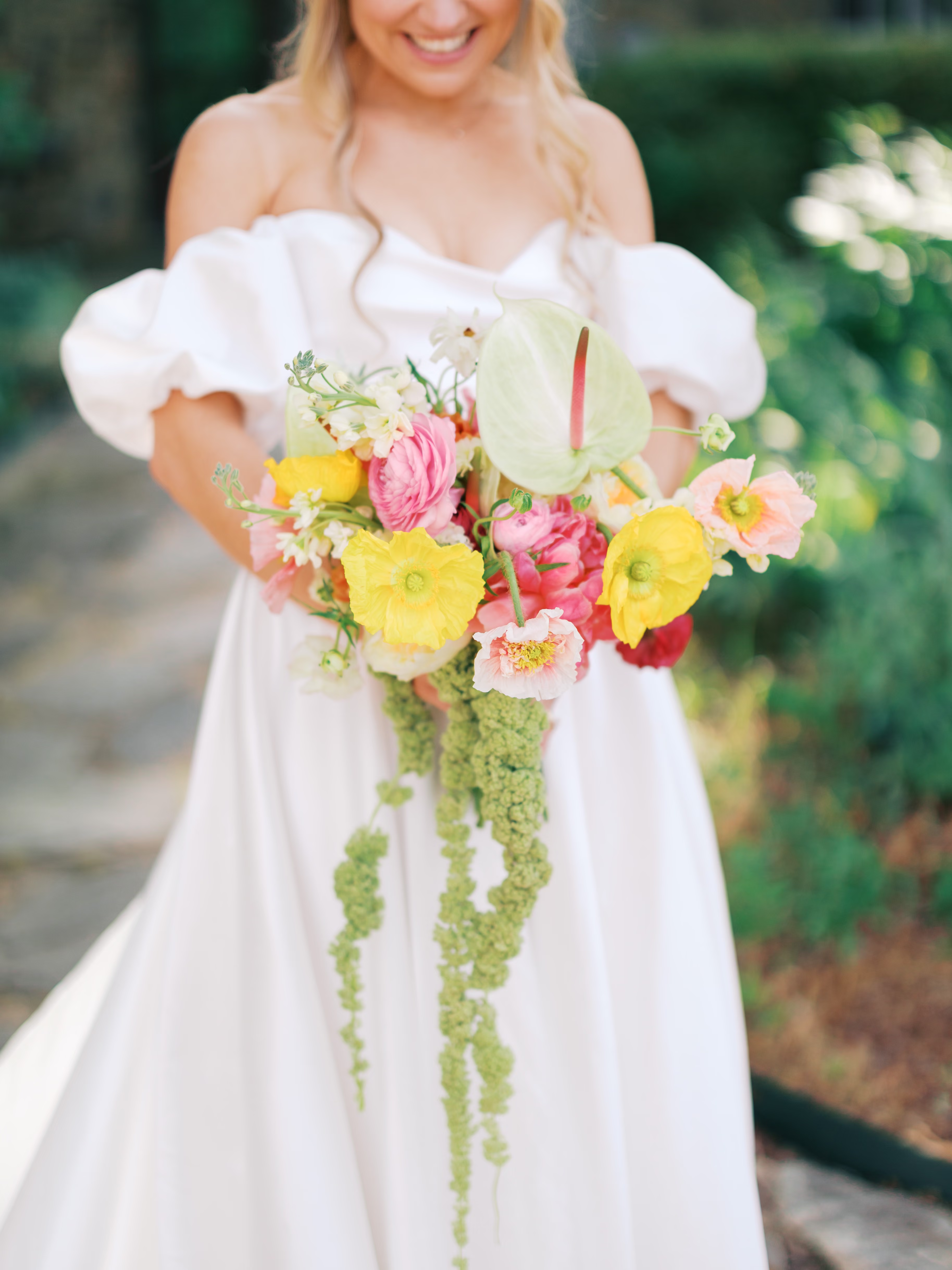
A loose, garden-gathered bouquet is its most natural expression. A coral garden rose opens wide. A butter yellow peony softens at the edges. A few cosmos reach beyond the rest of the flowers. Nothing feels forced into place. The bouquet looks less assembled than gathered.
An asymmetric hand-tied bouquet pushes that feeling even further. One stem stretches a little higher. Another trails off to the side. The flowers don't form a perfect dome — they move. From every angle, the bouquet looks slightly different.
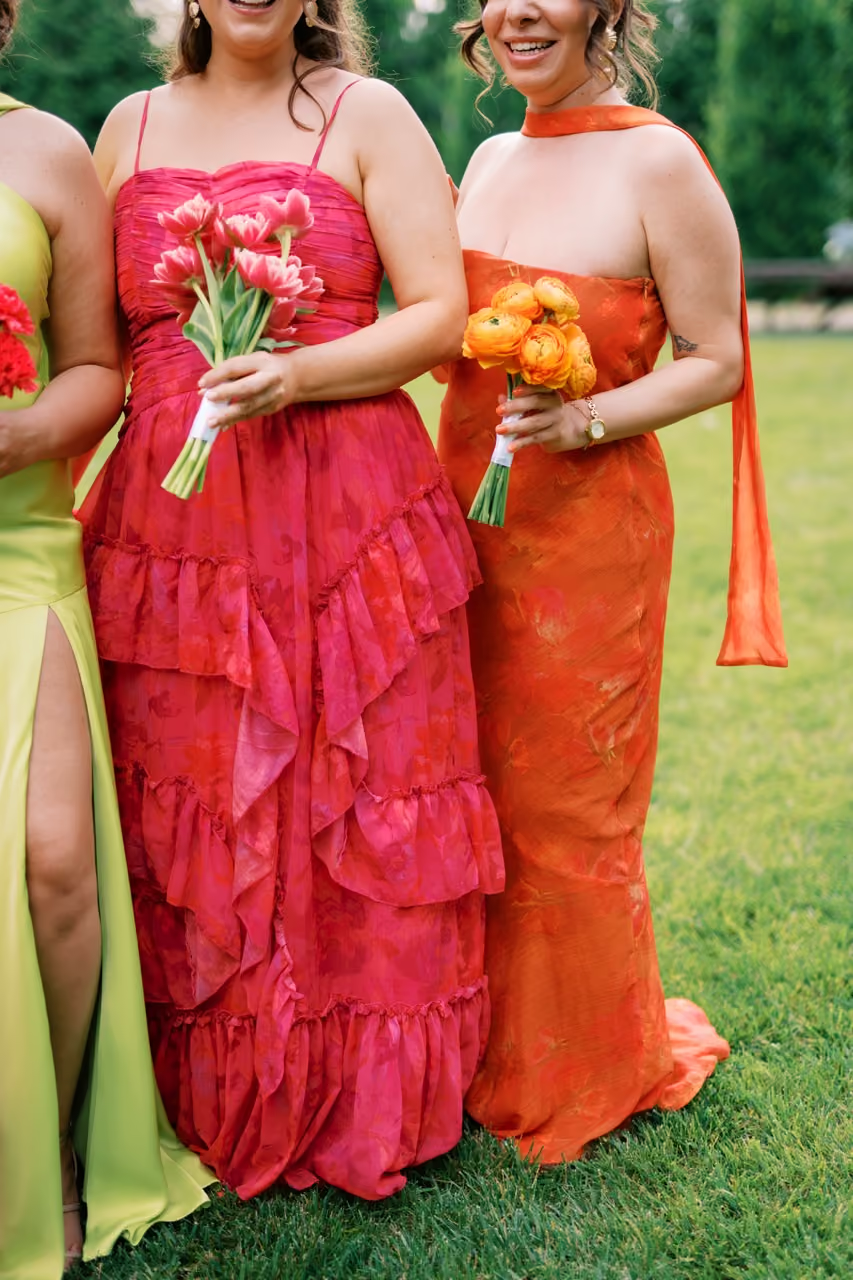
Monofloral bouquets are another surprisingly strong choice. A bouquet made entirely of butter yellow ranunculus or coral garden roses lets a single flower carry the whole design. There's no need to mix varieties when one stem already has enough character on its own. The restraint is the point.
Bouquet bags feel especially at home in this palette too. Because the stems sit in a small water vessel, they fall more naturally as you carry them. The effect is less formal than a traditional bouquet and fits the relaxed, expressive mood that's shaping so many summer weddings.
If you're building a full wedding palette around these colors, our Summer Wedding Color Palettes guide shows how citrus and butter yellow pair with the rest of this season's strongest combinations.
Alt-Bride, Defined on Your Own Terms
The phrase "alt bride" doesn't mean skipping tradition for the sake of it. It doesn't mean wearing black, avoiding flowers, or choosing an unconventional venue just to be different. It means something more specific: making design decisions that feel personal instead of expected.
That shows up in the flowers more than almost anywhere else.
It shows up at the tables: not identical centerpieces repeated across every table, but bud vases in different heights with just a few stems each, arranged more like a garden bed than a showroom display. It shows up in the ceremony space: a ground meadow of cosmos and ranunculus lining the aisle instead of a traditional arch. It shows up in the details: a flower bar where guests build a small bouquet to take home, herbs woven into citrus-toned centerpieces, or a single bud vase waiting at every place setting.
Most of those ideas aren't expensive additions. They're the result of a different starting point. Instead of asking, What do wedding flowers usually look like? the conversation begins with, What should this wedding feel like? The flowers follow from there. Poppy's design process starts in that same place.
The alt-bride aesthetic isn't anti-flowers, and it isn't anti-tradition. It's anti-formula. The couples drawn to it aren't trying to stand out. They're simply choosing flowers that feel specific to them instead of interchangeable with every other wedding on their Pinterest board.
It's worth reading this alongside its counterpart: the all-white floral direction that's also defining summer 2026, but from a completely different point of view. That post explores why monochromatic flowers continue to resonate — and how the two aesthetics create completely different experiences.

What It Looks Like in a Real Summer Setting
The difference becomes even clearer when these flowers move out of a mood board and into a real place.
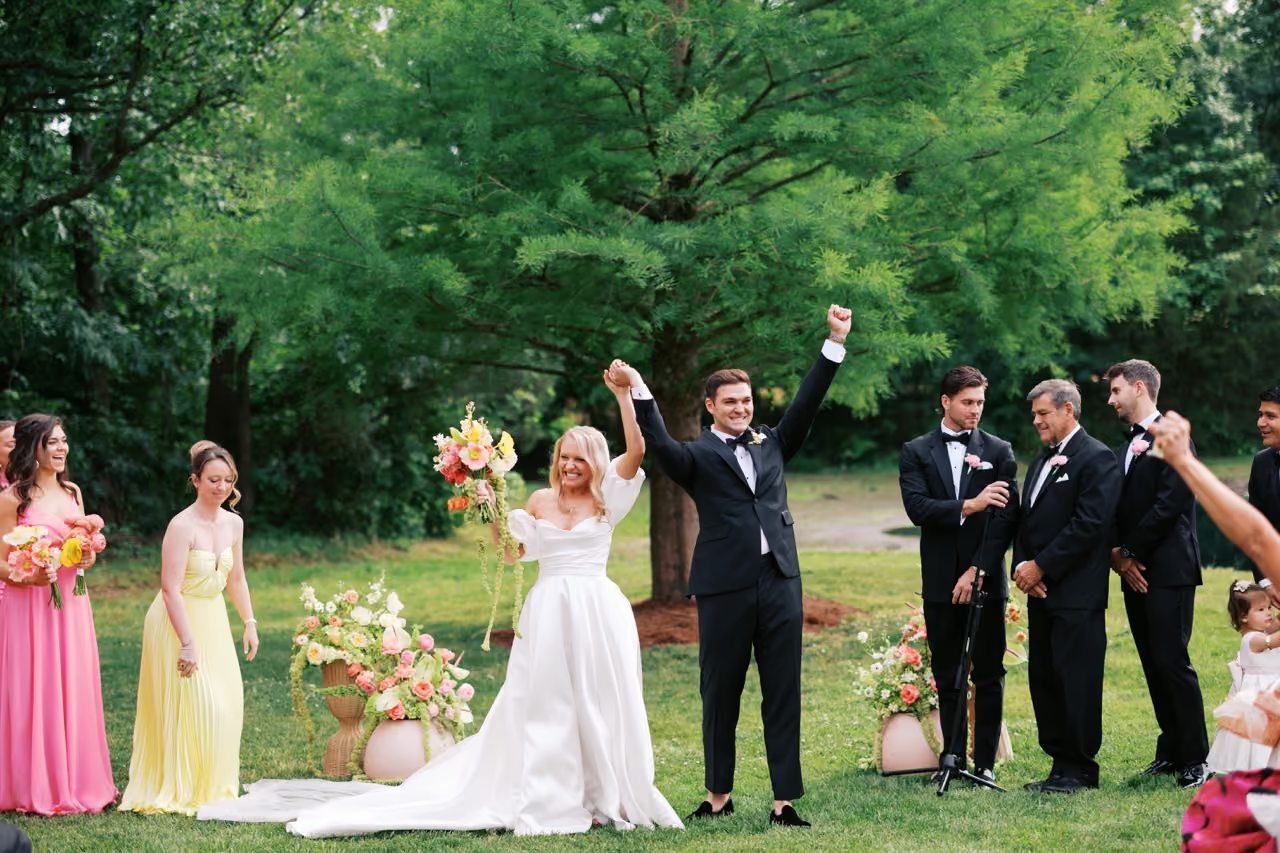
Picture an outdoor garden ceremony with a citrus-toned ground meadow lining the aisle. Butter yellow cosmos catch the breeze. Coral ranunculus cluster near the grass. Peach garden roses open a little more as the afternoon goes on. Because the flowers sit at ground level, they share the same light as the people walking beside them. The whole installation feels like part of the landscape instead of something placed on top of it.
Or imagine a reception with loosely gathered centerpieces on long natural wood tables. Bud vases sit between larger arrangements. Vessel heights vary. Nothing repeats exactly. Instead of competing with the room, the flowers pick up the warmth already in the wood, the candlelight, and the late-summer sun. The result is a table that looks like it was always going to look that way — not decorated, but considered.
In late summer, gardens and vineyards naturally shift toward warmer greens, golds, and faded oranges. Citrus-toned flowers don't fight that backdrop — they extend it.
That's ultimately what this design direction is about. Not choosing yellow instead of blush, or citrus instead of white. Choosing flowers that make sense for your season, your setting, and the kind of wedding you're trying to create.
If this direction feels like the one you've been looking for, the next step is the full Summer Wedding Color Palettes guide. It explores how citrus and butter yellow work alongside the other defining palettes of summer 2026 — and gives you more language for building a wedding that feels unmistakably your own.
See the full summer palette breakdown →
Explore what's in season this summer →