
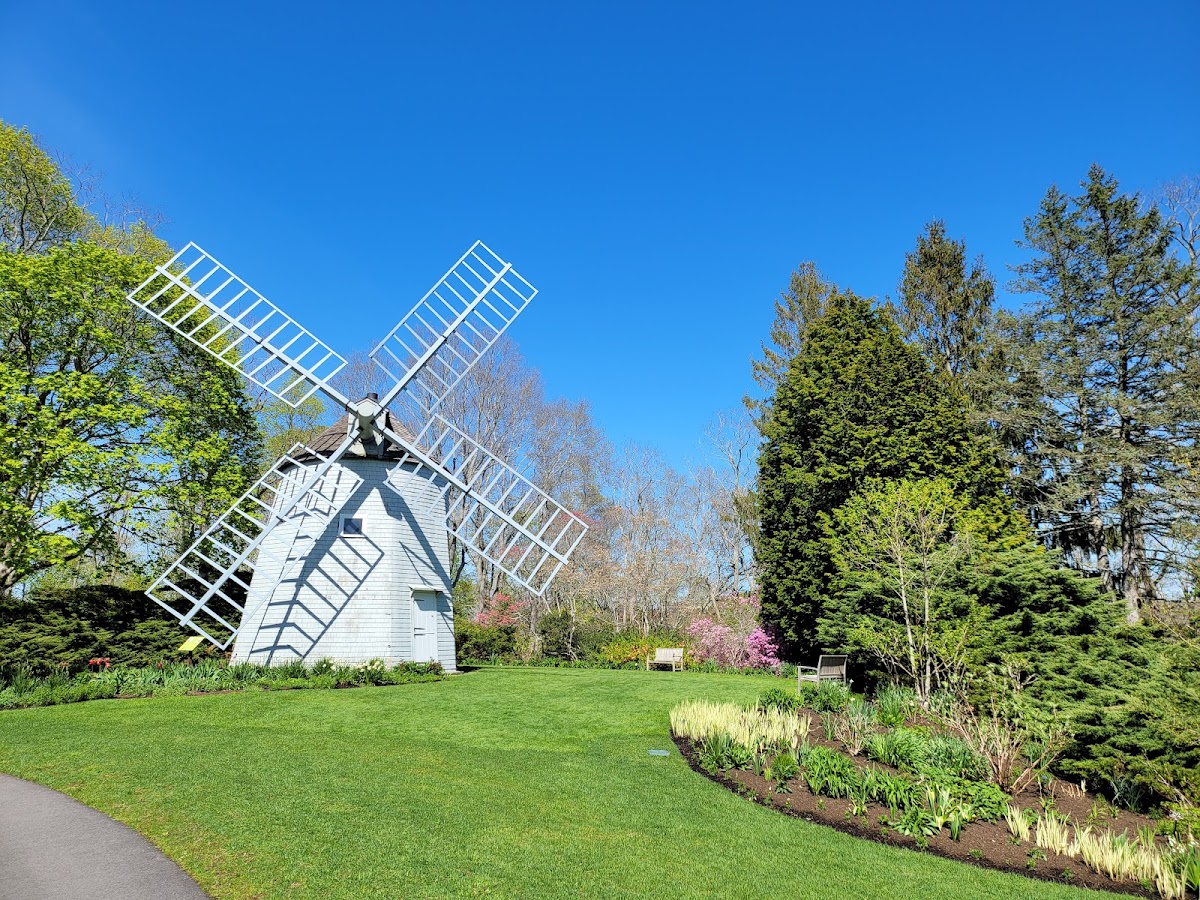
Heritage Museum & Gardens is a botanical masterclass where the landscape performs most of the aesthetic labor. For a floral designer, the objective is not to fill a void, but to frame the existing horticultural excellence without clashing with the seasonal shifts of the Cape Cod environment.
The Spaces
Rose Garden
This space is defined by its metal arbor and gravel paths, offering a structured, romantic backdrop for ceremonies. The existing rose bushes provide a high baseline of color, meaning your additions should focus on texture and scent.
- What works: Asymmetrical floral growth on the existing metal arbor. Ground-level “growing” aisle markers that appear to sprout from the gravel.
- Skip: Heavy, blocky pedestals that look out of place in a delicate garden setting.
- Watch out: The gravel paths can be uneven; all floral structures must have weighted, wide bases for stability.
- Budget hero move: Focus your entire ceremony budget on the arbor. The surrounding roses provide the periphery for free.
The Amphitheater
A more dramatic, tiered space with a wooden stage and a lush, landscaped backdrop. It feels more “produced” than the Rose Garden, allowing for larger-scale installations.
- What works: Large-scale flanking arrangements on the stage. Tiered floral “meadows” that follow the curve of the seating.
- Skip: Hanging elements. There are no rigging points, and the open sky makes small hanging pieces look insignificant.
- Watch out: Wind exposure is moderate here; avoid top-heavy arrangements that could act as sails.
- Budget hero move: Two oversized, floor-based statement pieces at the stage front to ground the ceremony.
Heald Center & Terrace
The primary indoor-outdoor transition space. It is cleaner and more modern than the historic house, acting as a blank canvas for reception design.
- What works: Modern, architectural centerpieces with clean lines. Potted trees or large floor plants to bring the garden aesthetic onto the terrace.
- Skip: Overly traditional, “stiff” round bouquets. The space calls for something more contemporary.
- Watch out: The transition from the terrace to the interior is a high-traffic zone; keep floor installations away from the doorways.
- Budget hero move: Bud vase clusters on the terrace cocktail tables to keep the garden vibe alive without the cost of full arrangements.
The Tent
When the reception moves to a tent, the design language shifts from “framing” to “creating.” This is the only space on the property where you have the volume to go truly vertical.
- What works: Floral clouds or greenery installations on the tent poles. Tall, airy centerpieces that draw the eye upward toward the canopy.
- Skip: Short centerpieces only. In a high-peak tent, low arrangements can feel lost and the space can feel cavernous.
- Watch out: Tents on the Cape are subject to evening breezes; ensure all tall centerpieces are weighted at the base.
- Budget hero move: Greenery vines climbing the center poles. It’s a cost-effective way to add massive scale.
What Works at Heritage Museum & Gardens
Color Theory Synchronicity. You are designing against a living backdrop. In June, you are competing with rhododendrons; in August, it’s hydrangeas. Choose a palette that either leans into these seasonal stars or provides a sophisticated neutral contrast.
Ground-Level Stability. Between the grass of the amphitheater and the gravel of the gardens, the ground is rarely perfectly flat. Every installation requires professional-grade weighting and leveling to ensure safety and visual alignment.
Structural Restraint. In the Auto Gallery or the historic house interior, the surroundings are the attraction. Floral designs should be “edited”—think clean lines, singular flower varieties in mass, and petite scales that respect the artifacts.
Tented Verticality. Do not ignore the ceiling in the tented reception. Because the rest of the venue is so horizontal (gardens, paths, lawns), adding vertical floral elements in the tent creates a necessary “wow” moment for the evening.
Seasonal Awareness. Heritage is a museum of nature. Using out-of-season blooms here feels particularly jarring. Stick to varieties that feel like they could have been plucked from the surrounding 100 acres.
Budget Guide
| Tier | Investment | Floral Strategy |
|---|---|---|
| Essentials | $1,750 - $3,500 | High-impact personals and a focused ceremony statement (arbor or stage pieces). Minimalist bud vases for cocktail hour. |
| Sweet Spot | $3,500 - $6,500 | Full ceremony coverage including aisle markers, lush centerpieces for the Heald Center, and bar arrangements. |
| Full Experience | $6,500 - $10,000 | Elaborate arbor design, a mix of tall and low centerpieces in the tent, and greenery accents on structural poles. |
| Statement | $10,000+ | Full-scale hanging installations in the tent, meadow-style ceremony paths, and immersive floral moments in the Auto Gallery. |
The character of Heritage Museum & Gardens is one of refined, natural elegance that requires a designer to act as a curator rather than a decorator.
Tips
Plan for the wind. Even on calm days, the coastal breeze can move through the gardens; avoid delicate, wispy stems that will look bedraggled by sunset.
Respect the collection. When designing for the Auto Gallery or House Interior, ensure no water or floral debris can touch the exhibits or period furniture.
Repurpose with purpose. Move your ceremony “meadows” to the base of the sweetheart table or the front of the stage in the Heald Center to maximize your investment.
Check the bloom schedule. Consult with the venue’s horticultural staff or your designer to see what will be in peak bloom during your date; it should dictate your palette.
Mind the paths. Heritage involves a lot of walking for guests; ensure your floral installations don’t narrow the pathways or create tripping hazards on the gravel.