
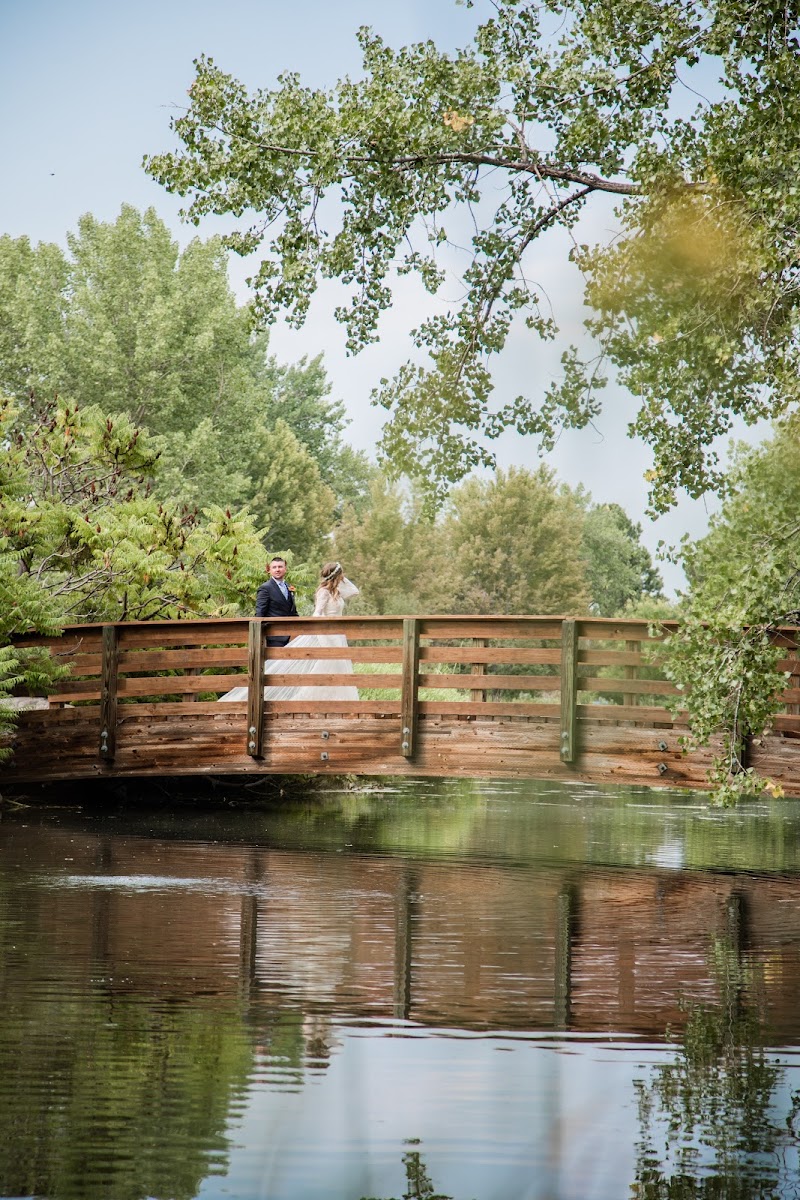
Designing for a 30-acre botanical garden requires a landscape-first mindset. At this venue, the flowers you bring in must feel like an intentional extension of the existing horticultural collections rather than a separate addition.
The Spaces
Garden Exhibits
These outdoor spaces offer a variety of backdrops, from lush greenery to structured water features. The environment is visually dense, meaning small arrangements will get lost in the scale of the landscape.
- What works: Ground-level “meadow” installations that mimic the natural growth patterns of the surrounding beds. Use heavy, weighted bases to ensure stability against Colorado’s unpredictable afternoon gusts.
- Skip: Thin, spindly pedestals or small shepherd’s hooks. They lack the visual weight needed to stand out against the mature foliage.
- Watch out: Irrigation schedules. Ensure your floral team coordinates with the venue to avoid ground-level designs getting hit by morning or evening sprinklers.
Budget hero move: Create a pair of large-scale, floor-based floral nests for the ceremony. These can be easily moved to frame the entrance of the reception tent or the sweetheart table, maximizing their impact.
The Tent
The clear-top tent is the primary reception space and offers the most control over the environment. The transparency of the ceiling means the design changes as the sun sets, moving from natural light to the glow of string lights.
- What works: Medium-scale centerpieces on round tables. The clear ceiling allows for taller arrangements without making the space feel cramped, but low, lush compotes often feel more “garden-inspired.”
- Skip: Dark, heavy color palettes that don’t translate well under artificial string lighting. Stick to colors with high luminosity.
- Watch out: Weight limits for the tent structure. While hanging installations are possible, they must be cleared with the venue’s facilities team to ensure safety.
Mordecai Children’s Garden
This space offers a more intimate, structured garden feel with stone pathways and established trees. It is particularly well-suited for ceremonies that require a sense of enclosure.
- What works: Freestanding arches that use existing trees as a secondary frame. Incorporating plenty of local foliage helps the installation feel rooted in the space.
- Skip: Rigid, overly modern structures that clash with the organic lines of the garden.
- Watch out: Foot traffic. The pathways are specific and narrow in some areas; ensure installations do not create bottlenecks for guests.
What Works at Denver Botanic Gardens
- Seasonal Coordination: Do not fight the garden’s natural cycle. If the peonies are in bloom in the beds, incorporate them into your personal flowers. If the garden is moving into autumnal ochres, lean into those tones.
- Textural Greenery: Use a mix of cultivated and wild-looking greens. Smilax and jasmine vine work well here to bridge the gap between your arrangements and the venue’s permanent vines.
- Luminous Palettes: Because the reception is under a clear tent, whites, creams, and pale yellows pop against the evening sky. Deep purples and maroons tend to disappear once the sun goes down.
- Weighted Installations: This is a high-wind area. Every ceremony structure must be weighted with sandbags or heavy steel plates, hidden by moss or floral “brakes.”
- Repurposed Aisle Markers: Low arrangements used along the stone pathways during the ceremony should be moved to the bar or lounge areas for the reception.
Budget Guide
| Tier | Price Range | Floral Strategy |
|---|---|---|
| Essentials | $1,750 - $3,500 | High-impact personal flowers and a focused ceremony statement. Minimalist bud vases for the tent. |
| Sweet Spot | $3,500 - $6,000 | Full personal flowers, a repurposed ceremony installation, and lush compote centerpieces for 10-15 tables. |
| Full Experience | $6,000 - $10,000 | Large-scale ceremony arch, elevated centerpieces in the tent, and additional accents for the bar and lounge. |
| Statement | $10,000+ | Full-scale hanging installations in the tent, lush meadow-style aisle runners, and premium floral varieties throughout. |
The natural beauty of the 30-acre landscape does much of the heavy lifting, allowing you to focus your budget on high-touch areas like the reception tables and the ceremony focal point.
Tips
- Design for the 360-degree view: In the open garden spaces, guests will see your ceremony flowers from all angles; ensure there is no “ugly back” to your installations.
- Prioritize hydration: The Colorado sun is intense and the gardens are dry. Ensure all floral foam is fully saturated or, preferably, use water-filled vessels for all installations.
- Coordinate load-in: The distance from the parking lot to the various garden sites can be significant. Ensure your floral team has the proper carts and enough hands for a long haul.
- Respect the collection: Never clip from the garden’s own plants or attach anything directly to the venue’s specimen trees.
- Lighting interaction: Consider how your flowers will look under the tent’s string lights. Warm-toned flowers thrive under this amber glow.---