
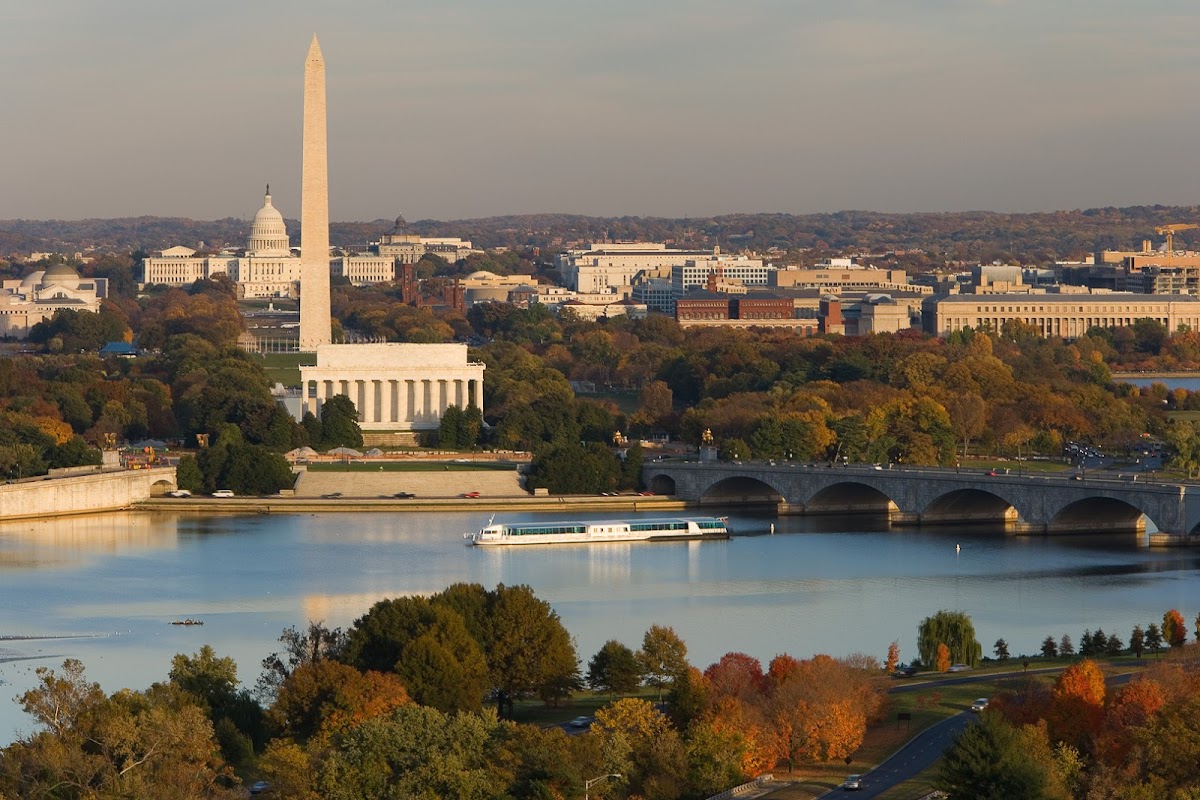
Designing for a vessel on the Potomac requires a shift in perspective from traditional ballroom floristry. At City Cruises Washington DC, the floral design must act as an anchor, grounding the aesthetic while the vessel moves through some of the most iconic scenery in the country. We know this venue well from our work here, and the primary challenge is always balancing the visual impact of the flowers with the physical constraints of a moving ship.
The environment is inherently kinetic. Between the river breeze on the outdoor decks and the tight turnaround times at the Wharf, successful floral plans are those that are mobile, durable, and intentionally scaled. The goal is to enhance the maritime charm without obstructing the panoramic views that are the venue’s primary selling point.
The Spaces
Main Deck
This is the premier open-air space for ceremonies and cocktail hours. It offers a 360-degree view of the DC skyline, which serves as your primary backdrop.
- What works: Low, heavy ground-level semi-circles for ceremonies to frame the couple without catching the wind. Railing garlands are the most effective way to add color here, provided they are wired securely to the ship’s structure.
- Skip: Tall, top-heavy pedestals or light-weight chuppahs. The wind on the Potomac is unpredictable and can easily topple unsecured structures.
- Watch out: Salt spray and direct sun. Choose hardy varieties like orchids, carnations, or tropicals that won’t wilt after an hour on deck.
- Budget hero move: A lush, greenery-heavy garland along the stern railing. It creates a defined “altar” space for a fraction of the cost of a full arch.
Main Dining Area
The interior decks are characterized by a classic nautical feel, featuring tin ceilings and large windows. The atmosphere is more controlled but space is at a premium.
- What works: Low-profile round centerpieces or clustered bud vases. Because the ceilings are standard height, keeping the flowers low encourages conversation and keeps the sightlines to the windows clear.
- Skip: Tall arrangements or anything with a wide footprint. Tables on a cruise ship are often slightly more compact than those in a hotel ballroom.
- Watch out: The tin tile ceilings. There are no rigging points for hanging installations or floral clouds.
- Budget hero move: Focus your budget on the “Welcome” or boarding area. A statement arrangement at the gangway sets the tone as guests step onto the vessel.
Premier Dinner Cruise Space
This area leans into a more formal, upscale aesthetic. It is climate-controlled and suited for a more traditional seated reception.
- What works: Textural, gourmet-style arrangements. Think garden roses, ranunculus, and delicate vines that guests can appreciate up close.
- Skip: Scent-heavy lilies or hyacinths. In an enclosed maritime cabin, strong fragrances can become overwhelming for some guests.
- Watch out: Table movement. Ensure all vases have a low center of gravity or are weighted with stones or glass marbles to prevent sliding.
What Works at City Cruises Washington DC
Low-profile, weighted designs. Every arrangement placed on a table should be bottom-heavy. We recommend using thick-bottomed glass or ceramic vessels to ensure stability while the boat is in motion.
Railing-mounted greenery. The railings are the most underutilized “real estate” on the ship. Using zip-ties and wire to secure smilax or ruscus along the perimeter adds a lush, organic feel to the industrial lines of the vessel.
Monochromatic or high-contrast palettes. The Potomac reflects a lot of blue and grey. To make flowers pop, we suggest crisp whites and greens, or bold, saturated tones like sunset orange and deep berry. Pale pastels can sometimes get washed out against the bright river light.
Cherry Blossom integration. For spring weddings, using actual cherry blossom branches is the ultimate nod to the location. These are sturdy enough to handle the deck’s breeze and provide the height that standard arrangements cannot.
Repurposable ground pieces. Since space is tight, ceremony flowers should be designed to move easily. Ground-level “meadows” used on the deck for the ceremony can be relocated to the interior bars or the DJ booth for the reception.
Budget Guide
| Tier | Estimate | Description |
|---|---|---|
| Essentials | $1,750 - $2,500 | Personal flowers (bouquets/boutonnieres) and a collection of bud vases or petite centerpieces for the main dining deck. |
| Sweet Spot | $2,501 - $4,500 | Adds a focal railing garland for the ceremony and more substantial, low-profile lush centerpieces for all guest tables. |
| Full Experience | $4,501 - $7,000 | Includes a statement boarding arrangement, ceremony ground meadows, and upgraded floral textures for the premier dining experience. |
| Statement | $7,001+ | Full deck perimeter greenery, premium seasonal blooms (like cherry blossoms), and high-density floral designs for every surface. |
Floral choices should reflect the vessel’s unique movement and its role as a moving frame for the city’s most famous monuments.
Tips
Account for tight boarding windows. Loading onto a ship at The Wharf is a timed operation; ensure your floral team is prepared for a rapid installation during the docking window.
Test for wind resistance. If you are DIY-ing any small accents, ensure they are weighted or adhered with floral putty to prevent them from shifting as the boat turns.
Embrace the nautical blue. Use the ship’s existing navy and white accents as a base, adding pops of coral or gold to elevate the maritime theme into a wedding aesthetic.
Prioritize the stern for photos. The back of the boat often offers the most stable platform for photography and the best unobstructed views of the wake and landmarks.
Check the sunset time. Lighting on the water changes rapidly; your floral colors will look different at high noon than they do during a sunset dinner cruise.