
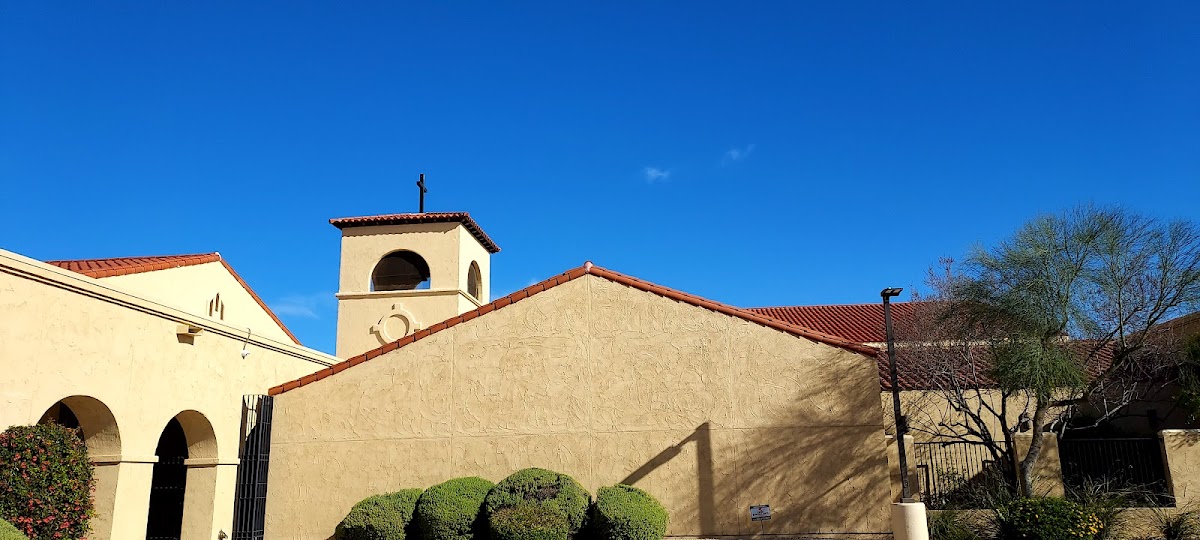
Designing for a wedding that spans Blessed Sacrament Roman Catholic Parish and the adjacent Dolce Estate requires a mastery of two distinct languages: traditional reverence and modern industrialism. The transition from the warm, wood-toned sanctuary to the sharp, clean lines of the estate demands a cohesive floral narrative that bridges the gap between classic sanctity and contemporary celebration.
The Spaces
Parish Sanctuary
The sanctuary provides a classic, reverent backdrop with significant wood detailing and traditional liturgical layout. Because the architecture is fixed and formal, floral interventions should be focused and high-impact to respect the environment while asserting a personal aesthetic.
- What works: Large-scale altar sprays that utilize “breathing room” in their composition to ensure they don’t look like dense, dated mounds. Pew markers should be lush and trailing to soften the hard lines of the wooden benches.
- Skip: Small, fussy arrangements on every other pew; they disappear in the large scale of the room.
- Watch out: Catholic parishes often have strict rules regarding floral placement during liturgical seasons like Lent or Advent. Always verify the church’s specific calendar before finalizing your color palette.
- Budget hero move: Two massive, floor-standing arrangements at the start of the aisle that are later moved to flank the sweetheart table at the reception.
Outdoor Ceremony Space (Dolce)
This space is defined by its permanent green wall and structural pergola. It is a controlled, modern outdoor environment that feels more like a chic courtyard than a wild garden.
- What works: Asymmetrical floral installations on the pergola. By focusing blooms on one corner and the opposite base, you create a frame that feels intentional and modern.
- Skip: A standard four-post wrap of the pergola, which can look thin and dated against the lushness of the green wall.
- Watch out: Light wind exposure is common in this corridor; ensure all pergola attachments are double-tethered with heavy-duty wire.
- Budget hero move: Use the permanent green wall as your “free” greenery. Add only high-impact “pop” clusters of focal flowers (like Garden Roses or Dahlias) directly onto the wall to create a custom floral backdrop without the cost of a full flower wall.
Main Ballroom
The Main Ballroom is an industrial-chic dream with high black ceilings and exposed ductwork. It provides the vertical volume necessary for truly ambitious design.
- What works: Suspended greenery or floral “clouds” from the exposed beams. The dark ceiling makes white hydrangeas or bleached ruscus look like they are floating in space.
- Skip: Short, squat centerpieces. The ceiling height will dwarf them, making the room feel empty.
- Watch out: The lighting is primarily artificial. Avoid dark purples or deep reds unless you have professional pin-spotting, as these colors will “die” and look like black holes in photos.
- Budget hero move: Alternate between tall, airy glass trumpet vases and low, lush compote arrangements to create visual rhythm across the room.
Dolce Estate Reception Hall
A more intimate, neutral space that serves as a blank canvas. This room relies heavily on the floral design to dictate the mood and color story.
- What works: Monochromatic palettes with varying textures. Since the walls are neutral, a “white on white” or “tonal peach” story looks incredibly sophisticated here.
- Skip: Sparse greenery runners on long tables. Without more substance, they can look like “caterpillar” decor on the farm tables.
- Watch out: Limited natural light means your floral colors need to be a half-shade brighter than you think to translate well in photography.
- Budget hero move: A statement ground-level floral installation at the entrance to the hall to set the tone immediately as guests transition from cocktail hour.
What Works at Blessed Sacrament & Dolce Estate
- Architectural Floral Design: The clean lines of the pergolas and the industrial ballroom demand flowers with strong shapes—calla lilies, protea, or structured roses—rather than overly “wild” or “weedy” wildflowers.
- High-Contrast Palettes: To combat the dark ceilings and the deep green of the permanent walls, use high-contrast colors. Creams, buttery yellows, and crisp whites are the safest and most effective choices.
- Textural Greenery: Use the permanent green wall as a jumping-off point. Incorporate tropical leaves or glossy smilax to mirror that lushness throughout the reception.
- Repurposed Ceremony Ground Meadows: The flat, tiled surfaces of the outdoor space are perfect for “ground meadows” that can be easily moved to the base of the band stage or the front of the head table.
- Masculine Touches in the Groom’s Suite: The tufted leather and modern art in the suites call for petite, architectural arrangements—think a single striking bloom in a heavy glass vase.
Budget Guide
| Tier | Estimate | Description |
|---|---|---|
| Essentials | $1,750 - $2,500 | Personal flowers (bouquets/boutonnieres) and a focused set of altar arrangements for the parish that transition to the reception. |
| Sweet Spot | $3,500 - $5,500 | Adds a partial pergola installation for the Dolce courtyard and a mix of high/low centerpieces for the ballroom. |
| Full Experience | $6,000 - $8,500 | Includes a full pergola floral wrap, floor-to-ceiling green wall enhancements, and lush floral runners for long farm tables. |
| Statement | $10,000+ | Suspended floral installations in the Main Ballroom, custom “flower wall” additions, and high-density floral meadows throughout the venue. |
The dual nature of this venue means your budget should prioritize the transition points where guests move from the traditional church to the modern reception.
Tips
- Verify Rigging Points: The Main Ballroom has accessible ductwork, but the smaller reception halls have flush drywall; always confirm where you can actually hang decor.
- Lighting is Your Best Friend: In the indoor spaces, floral design should always be paired with warm candlelight to counteract the industrial chill of the black ceilings.
- The “Let’s Party” Wall: Dolce often features a neon sign or specific photo wall; frame this with floor-standing floral pillars to make it a professional-grade photo op.
- Time the Transition: If your ceremony is at the Parish and reception at Dolce, ensure your floral team has a clear plan for moving “repurposeable” items during the gap.
- Seasonal Church Constraints: Many parishes restrict floral colors during certain months (e.g., only purple during Lent); always check these rules before picking your reception palette.