
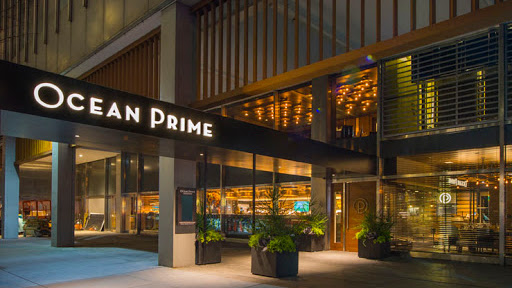
Designing flowers for a venue like 123 W 52nd St requires an understanding of luxury restaurant physics. This is not a blank-canvas ballroom; it is a highly curated, atmosphere-heavy environment where the architecture does much of the work for you. The floral opportunity here lies in accentuating the sophisticated, moody aesthetic without overcrowding the intimate table settings typical of Manhattan fine dining.
Success at this Midtown landmark depends on contrast. The interior is characterized by deep wood tones, leather textures, and focused, warm artificial lighting. To make an impact, your floral palette must be intentional—muted tones will vanish in the dim evening light, while high-contrast whites and vibrant, saturated hues will sing against the dark backdrop.
The Spaces
The Times Room
As the largest private space, the Times Room is the workhorse of the venue. It handles larger dinner parties and corporate celebrations with a sense of gravitas. The room is rectangular, often configured with long tables that demand a rhythmic floral approach.
- What works: Low, elongated arrangements that stretch down the center of the table. Think “hedgerow” style but refined.
- Skip: Tall, airy arrangements. The ceiling height and the intimacy of the room make tall pieces feel disconnected and intrusive.
- Watch out: The flatscreen TV is a permanent fixture; if it isn’t being used for a presentation, consider asking the venue if a static, branded, or aesthetic image can be displayed so it doesn’t look like a “black hole” in your photos.
- Budget hero move: A series of high-end bud vases in varying heights, packed tightly with premium blooms like ranunculus and sweet pea, creates a lush look without the price tag of a full-length runner.
The Rockefeller Room
This is the ultimate “power room” for small groups. With a capacity of just 13, every detail is under a microscope.
- What works: A single, statement centerpiece that serves as the room’s crown jewel. Because the guest count is low, you can afford to splurge on higher-end stems like Dutch hydrangea or garden roses.
- Skip: Multiple small arrangements. On a table this size, they can look cluttered.
- Watch out: Table space is at a premium once glassware and bread service arrive. Keep the footprint of the arrangement compact.
The Guggenheim & Carnegie Rooms
Whether used individually or combined, these rooms offer a quintessential New York private dining experience. The dark wood paneling is the dominant feature here.
- What works: Monochromatic palettes. An all-white or all-blush scheme looks incredibly expensive against the mahogany walls.
- Skip: “Wild” or overly organic field-flower styles. This venue calls for a more manicured, architectural floral look.
- Watch out: Lighting is dim. Ensure your florist uses “bright” greenery (like eucalyptus or ruscus) rather than dark, waxy greens which will blend into the walls.
What Works at 123 W 52nd St
High-contrast palettes are mandatory. In a room filled with dark wood and amber lighting, a “moody” floral palette of deep burgundies and forest greens will simply disappear. Use whites, creams, or vibrant corals to ensure the flowers are visible and photograph well.
Low-profile designs preserve the vibe. People come here for the conversation and the service. Arrangements should never stand between two guests. Keep everything below 12 inches or use very slender pedestals if you must go high, though low is almost always better in these rooms.
Reflective accents enhance the light. Use metallic vessels—gold, silver, or mercury glass—to catch the localized spotlighting at the tables. This adds a layer of sparkle that complements the restaurant’s glassware and polished surfaces.
Focus on the entrance. Since the private rooms are tucked away, a “welcome” arrangement at the entrance of your specific room establishes the event’s identity immediately. This is the place for a slightly larger, more gestural piece.
Texture over filler. Avoid “fluff” like baby’s breath or excessive waxflower. In an upscale steakhouse environment, the flowers should look as premium as the menu. Focus on high-petal-count blooms that offer architectural interest.
Budget Guide
| Tier | Estimate | Description |
|---|---|---|
| Essentials | $1,750 - $2,500 | Focuses on high-impact centerpieces for one private room and a small welcome arrangement. Ideal for intimate dinners. |
| Sweet Spot | $2,500 - $4,500 | Includes premium blooms for the main dining table, plus accents for the bar and any credenzas or side tables. |
| Full Experience | $4,500 - $7,000 | Allows for more lush, continuous table runners and floral “nests” to soften the corners of the room or frame the wine displays. |
| Statement | $7,000+ | Includes a significant floral installation at the room’s entry or a repurposed ceremony backdrop if hosting a small micro-wedding. |
The character of this venue is “Modern Manhattan Luxury,” and your floral budget should reflect a preference for quality over sheer quantity.
Tips
Midtown logistics are a factor. Load-in at 52nd Street can be challenging due to traffic. Ensure your floral team has a clear window for delivery and that the venue has cleared the tables of settings before they arrive.
Repurpose with intention. If you are having a small ceremony in one room before moving to another for dinner, your “altar” pieces can easily be moved to flank the bar or the head of the dining table.
Mind the scent. In a seafood and steakhouse environment, heavily scented flowers (like lilies) can interfere with the culinary experience. Stick to low-scent varieties to keep the focus on the food.
Lighting is your best friend. Ask the venue to dim the overheads and rely on their pin-spotting or candlelight. Flowers look twice as expensive under focused, warm light.
Check the linen colors. Most restaurant buyouts use standard white or black linens. Confirm this early, as it will drastically change how your flower colors “pop” on the table.