
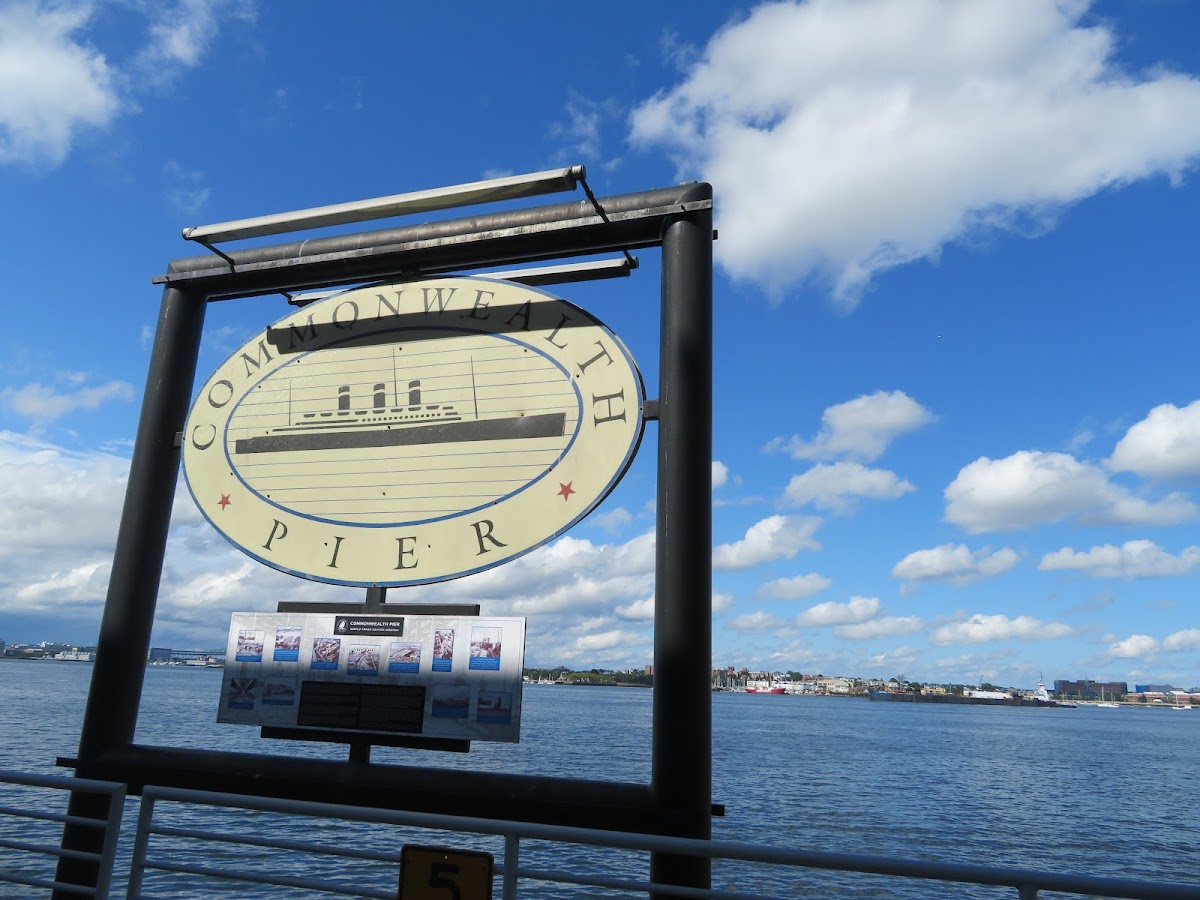
Commonwealth Pier is a study in scale and texture, demanding floral designs that can hold their own against the vastness of the Boston Harbor and the soaring glass of the Seaport. This is not a venue for timid, spindly arrangements; the architecture here is grand, industrial, and historic all at once, requiring a designer who understands how to fill a room without cluttering it.
The design opportunity at Commonwealth Pier lies in the tension between its hard surfaces—stone, steel, and glass—and the organic softness of high-end floral artistry. Whether you are utilizing the transportive, live-fire atmosphere of Ci Siamo or the monumental volume of the Rotunda, your flowers must serve as the visual bridge between the venue’s commercial roots and its current status as a premier culinary destination.
The Spaces
The Rotunda
This is the venue’s crown jewel, featuring a soaring glass dome and classic brick arches. The natural light is abundant, but the sheer cubic footage of the room can swallow standard-sized arrangements. We know this venue well from our work here, and the key is always verticality.
- What works: Massive, floor-based “meadow” installations that crawl up the brick piers. Elevated centerpieces on thin, modern stands that reach toward the dome without blocking sightlines.
- Skip: Short, squat centerpieces. They will look like afterthoughts in a room this tall.
- Watch out: The glass dome creates a greenhouse effect; ensure your florist uses hardy varieties that won’t wilt under direct afternoon sun.
- Budget hero move: Focus your entire floral spend on two massive “altar” arrangements at the base of the brick arches. The architecture does the rest of the work.
Outdoor Terrace
Adjacent to the main dining areas, the terrace offers a modern, al fresco experience with glass walls and views of the Seaport’s evolving skyline. It is sleek and functional, but it can feel stark without greenery.
- What works: Low, lush troughs that line the glass railings, adding color without obstructing the harbor view.
- Skip: Tall, top-heavy arrangements on pedestals. The wind off the water is no joke.
- Watch out: The paver flooring is level, but the wind gusts can shift unweighted items.
- Budget hero move: Repurpose your ceremony aisle markers as terrace accents for the cocktail hour.
Ci Siamo and Dining Areas
These spaces are defined by jewel-toned finishes and a focus on live-fire cooking. The atmosphere is more intimate than the Rotunda, with a sophisticated, “historic Boston” interior palette.
- What works: Deep, moody color palettes—burgundies, ochres, and forest greens—that complement the rich finishes.
- Skip: Pastel, “shabby chic” aesthetics. They clash with the upscale-casual, culinary-forward vibe.
- Watch out: Table space can be limited if the menu is family-style (common in culinary-focused venues).
- Budget hero move: Use bud vase clusters in varying heights to allow for platters of food while still providing a lush, continuous floral line.
Commonwealth Pier Plaza/Exterior
The exterior is grand stone masonry and harbor views. It is an impressive arrival point for guests and a frequent spot for ceremonies.
- What works: Large-scale flanking arrangements that frame the arched stone portals. These should be heavy and architectural.
- Skip: Delicate flower petals on the ground; they will blow away before the processional begins.
- Watch out: This is a public-facing area. Installations must be sturdy and self-contained.
What Works at Commonwealth Pier
Embrace the industrial-chic rigging. The exposed ductwork in the lounge areas and the steel beams in the Rotunda are not eyesores; they are opportunities. Use them for modern, linear hanging installations of greenery or dried elements that won’t require a water source.
Incorporate existing greenery. The venue often features high-quality potted trees and permanent foliage. Don’t fight these elements; design your florals to feel like an extension of the venue’s existing botanical landscape.
Design for the wind. Being on the pier means constant air movement. We recommend using heavy ceramic or stone vessels rather than light plastic or glass. If you are using an arch, it must be sandbagged or bolted.
Scale for the Seaport. The surrounding buildings are massive, and the pier itself is expansive. Use “filler” branches like forsythia, cherry blossom, or large-leaf eucalyptus to create volume and height without tripling your budget.
Prioritize the “Glow” hours. As the sun sets through the Rotunda’s glass dome, the light becomes very warm. Flowers in the peach, coral, and honey range perform exceptionally well during this transition, catching the light in a way that whites and purples do not.
Budget Guide
| Tier | Investment | Floral Strategy |
|---|---|---|
| Essentials | $1,750 - $3,500 | High-impact personal flowers and a focused “moment” in the Rotunda, such as a pair of large pedestals. |
| Sweet Spot | $3,500 - $7,500 | Full table coverage with a mix of low lush arrangements and bud vases, plus a repurposed ceremony installation. |
| Full Experience | $7,500 - $12,000 | A significant floral arch or meadow in the Rotunda, elevated centerpieces to bridge the ceiling height, and terrace accents. |
| Statement | $15,000+ | Large-scale hanging installations from the Rotunda’s steel beams and lush, floor-to-ceiling floral “growth” on the brick arches. |
The character of Commonwealth Pier is one of modern luxury rooted in Boston’s maritime history; your budget should reflect a desire to complement that grandeur rather than hide it.
Tips
Weight every outdoor base. The harbor breeze is persistent; any structure without a heavy footprint will become a sail.
Assess the rigging points early. If you want a hanging installation in the Rotunda, confirm weight limits and ladder access with the venue manager before finalizing the design.
Use the dedicated prep area. This venue provides more “behind-the-scenes” space than most Seaport locations; use it to keep flowers hydrated until the last possible moment.
Coordinate with the culinary team. Given the “live-fire” and wellness focus of the onsite restaurants, ensure your florals don’t have a heavy scent that competes with the food.
Lean into the seasons. A waterfront venue feels very different in July than it does in November; use seasonal textures like grasses in the summer and architectural branches in the winter to ground the design.