
Barbuzzo is not a venue for the minimalist who wants a sterile white box. It is a masterclass in texture, intimacy, and Mediterranean warmth, tucked into the heart of Midtown Village. For a floral designer, this space requires a shift in perspective—moving away from the vertical heights of a ballroom and toward the concentrated, tactile details of a high-end restaurant.
The design challenge here is the lighting. Barbuzzo is intentionally moody, relying on artificial warmth and the rich, dark tones of its wood and brick. Flowers must be selected for their ability to perform under these specific conditions. Delicate, muddy pastels will fail here; they will look grey in the low light. Instead, we look for “glow”—flowers with high luminosity or deep, saturated pigments that hold their own against the heavy architectural elements.
The Spaces
Main Dining Room
The heart of the restaurant is defined by its rustic-urban aesthetic. The exposed brick walls and arched doorways create a sense of history and enclosure. Because the ceiling is standard height with no rigging points, the design must remain grounded. This is a space for “growing” installations that climb up from the floor or sit low and lush on the tables.
- What works: Low, textural compote arrangements that allow for conversation across narrow tables. Using the brick arches as a frame for freestanding floor meadows creates a natural focal point for a ceremony or a sweetheart setup.
- Skip: Tall, narrow glass trumpets. They feel disconnected from the earthy, grounded vibe of the room and risk hitting the ceiling or interfering with the restaurant’s intimate scale.
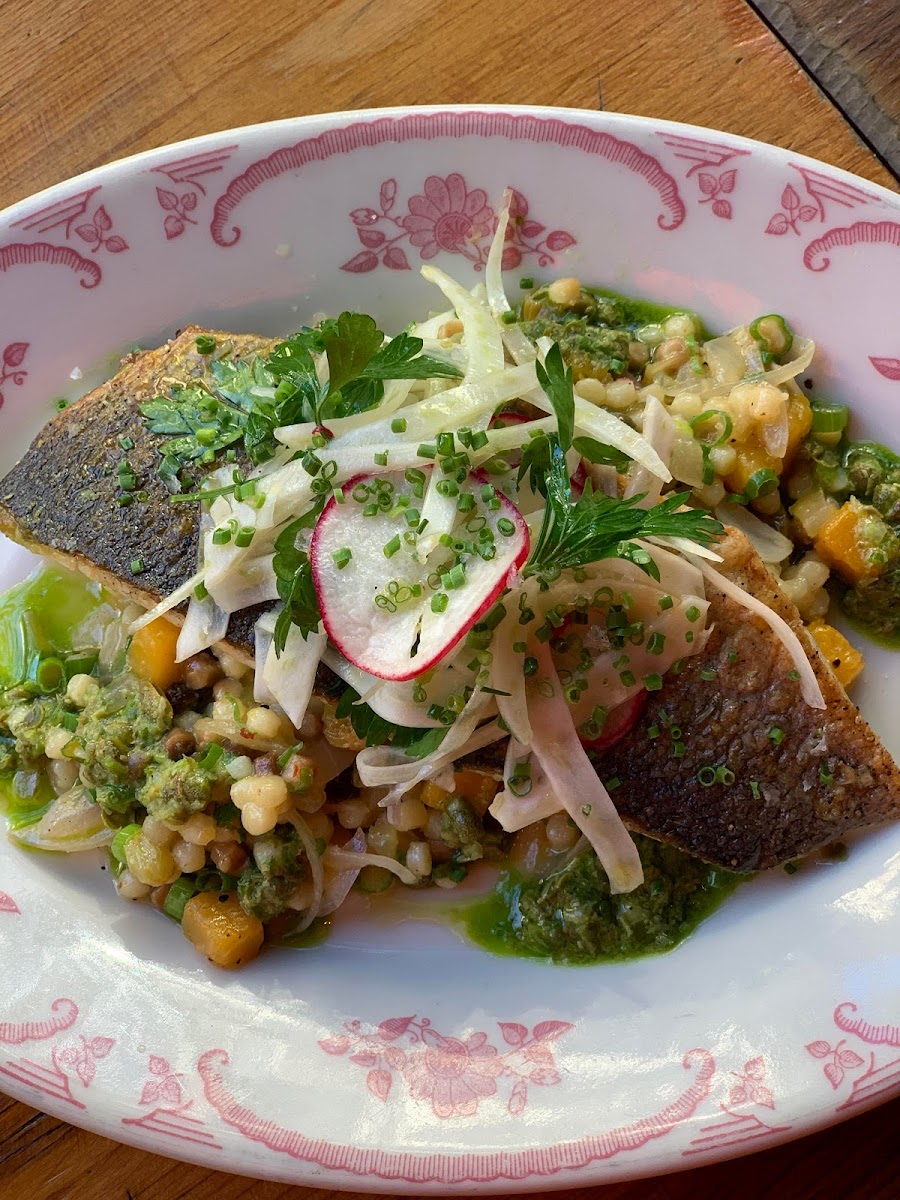
- Watch out: Table real estate is at a premium. Barbuzzo is known for its incredible food, and the tables need room for plates and glassware.
- Budget hero move: Focus your entire reception budget on a single, high-impact floor installation at the base of the most prominent brick arch. It creates a massive photographic return for the investment.
Private Events Space
This upstairs area offers a slightly more flexible layout, serving as a blank canvas for smaller guest counts. It maintains the same material palette as the main floor but feels more secluded. This is where we often see the most creative use of color and form, as the smaller scale allows for more concentrated floral moments.
- What works: Asymmetrical floor installations that frame the couple during a ceremony and can later be repurposed to flank the bar or a cake display.
- Skip: Traditional pedestals or manufactured stands. They look out of place in a room that feels so organically aged.
- Watch out: The lack of natural light is even more pronounced here. Ensure your floral palette includes “brightening” elements like white ranunculus, bleached ruscus, or light-reflecting greenery.
What Works at Barbuzzo
High-Contrast Palettes To compete with the dark wood and red brick, you need contrast. We recommend crisp whites and creams for a classic look, or deep, saturated jewel tones (burgundy, plum, ochre) for a moody, seasonal feel. Avoid mid-tone pinks or mauves, which tend to look muddy once the sun goes down and the restaurant’s warm interior lights take over.
Ground-Level “Growing” Installations Since we cannot hang anything from the ceiling, we use the floor. “Growing” meadows—arrangements designed to look like they are sprouting from the floorboards—are the most effective way to add drama without needing heavy hardware. These are particularly effective against the brick walls.
Textural Greenery The Mediterranean influence of the venue calls for greenery with character. Think olive branches, eucalyptus, or smilax. These can be used to “crawl” along the back of the bar or across window ledges, adding a sense of wildness to the structured urban environment.
Candlelight Integration In a low-light restaurant, candlelight is as important as the flowers. We suggest a mix of glass-enclosed pillars and tapered candles in brass or ceramic holders. The flicker of the flame reflects off the glassware and brings the floral textures to life.
Window Ledge Styling The street-facing windows are a gift. Placing low, lush arrangements along these ledges utilizes the only natural light in the building and creates a beautiful visual bridge between the interior party and the bustling Philadelphia streetscape outside.
Budget Guide
| Tier | Investment | Description |
|---|---|---|
| Essentials | $1,750 - $2,500 | Focuses on personal flowers (bouquets/boutonnieres) and a series of petite, high-impact bud vases for the dining tables. |
| Sweet Spot | $2,500 - $4,500 | Includes personals, low lush compote centerpieces for all tables, and a modest ground-level installation for the ceremony. |
| Full Experience | $4,500 - $7,000 | Adds a signature bar installation, window ledge styling, and a more expansive “growing” meadow for the main focal wall. |
| Statement | $7,000+ | Full venue transformation with floor-to-ceiling freestanding structures, heavy candlelight, and lush, overflowing table landscapes. |
The character of Barbuzzo is inherently intimate; even a modest budget goes a long way when the design is concentrated on the most visible surfaces.
Tips
Design for the evening. Barbuzzo is at its best when the sun sets and the interior glow takes over; choose flower colors that look vibrant under warm, artificial light.
Prioritize repurposing. Because the ceremony and reception often happen in the same or adjacent spaces, design your floor installations to be easily moved from the “altar” to the bar or sweetheart table.
Mind the table width. Restaurant tables are often narrower than standard 60-inch rounds; keep centerpieces compact and low to ensure guests can actually see each other.
Skip the arch. A traditional four-post arch can feel cramped and “stuck in” at Barbuzzo; opt for a broken arch or floor meadow that works with the room’s existing architecture.
Embrace the Mediterranean. Use herbs like rosemary or dried elements like pomegranates and figs within the floral designs to nod to the venue’s culinary identity.