
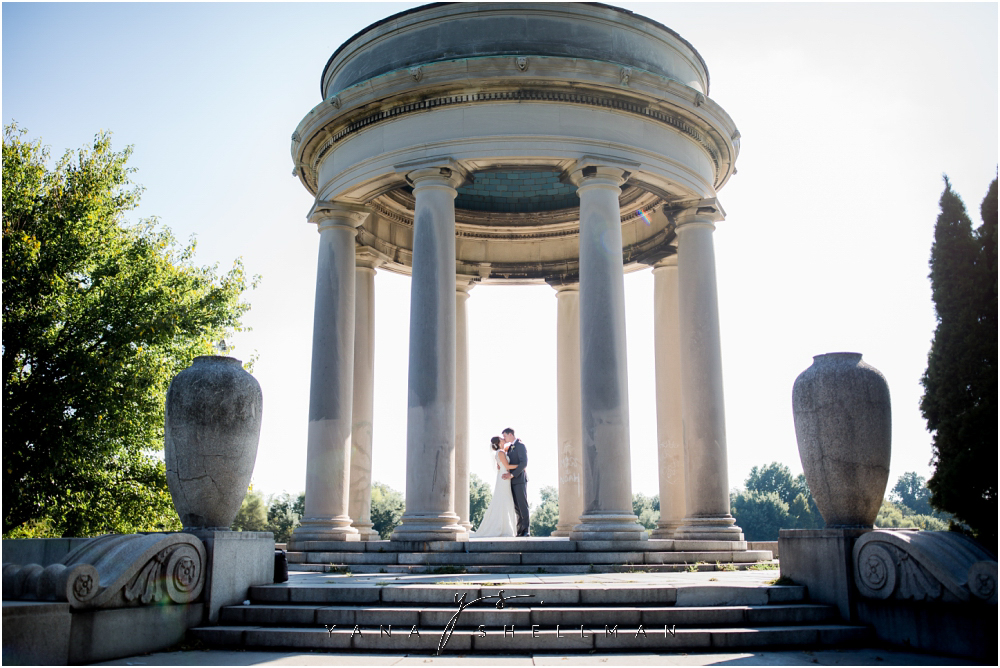
The American Swedish Historical Museum is an architectural outlier in Philadelphia, trading the city’s standard industrial grit for the refined, copper-peaked elegance of a Nordic manor. Designing here requires a balance between the expansive, park-side greenery of FDR Park and the curated, artifact-heavy interiors that demand a light touch.
The Spaces
Exhibition Hall
This is the museum’s primary indoor event space, defined by its impressive verticality and flood of natural light. The hall is a blank canvas with a high-culture pedigree, making it the most versatile room for traditional reception layouts.
- What works: Tall, airy centerpieces that utilize the ceiling height without blocking sightlines. Consider slender glass trumpets or gold harlow stands to elevate the blooms.
- Skip: Heavy, low-profile rounds that can feel diminished by the scale of the room.
- Watch out: The layout is customizable, but the placement of museum displays can dictate traffic flow; ensure pedestals are positioned away from high-traffic exhibit paths.
- Budget hero move: Focus your investment on two large-scale pedestal arrangements at the entrance to frame the transition into the hall.
Outdoor Courtyard
The courtyard is the museum’s most sought-after feature, offering a secluded garden atmosphere enclosed by historic stone and brick. It is a space that feels intentionally “undone” yet deeply formal.
- What works: Ground-level “meadow” installations for ceremony markers. These feel as though they are growing directly from the brickwork and don’t compete with the museum’s facade.
- Skip: Overly manicured, tight floral spheres. The garden setting calls for movement and texture.
- Watch out: Wind exposure is moderate here. All tall installations or arches must be heavily weighted to account for the open FDR Park surroundings.
- Budget hero move: Use a broken arch for the ceremony that can be repurposed to frame the sweetheart table or the cake display later in the evening.
Museum Gallery
A more intimate setting characterized by dark wood paneling and built-in display cases. This space is often used for cocktail hours or smaller, boutique dinners.
- What works: Bud vase clusters in varied heights. The wood paneling provides a rich backdrop for delicate textures like ranunculus, sweet pea, and cosmos.
- Skip: Massive, sprawling installations that might obstruct the view of the museum’s cultural artifacts.
- Watch out: Lighting can be moodier here than in the Exhibition Hall. Stick to a brighter palette to ensure the flowers don’t disappear into the shadows.
Museum Exhibit (The Kitchen)
This rustic space is a recreation of a traditional Swedish interior, featuring copper accents and folk art. It is a highly specific aesthetic that rewards a thematic approach.
- What works: Small, rustic arrangements in copper or wooden vessels. Focus on “foraged” looks with plenty of berries, branches, and wildflowers.
- Skip: Modern, minimalist, or overly tropical designs which will clash with the folk-art surroundings.
What Works at American Swedish Historical Museum
- Complementing the Patina: The oxidized copper roof is the venue’s visual anchor. Incorporating eucalyptus, dusty miller, or succulents into your floral design creates a cohesive color bridge between the building and your decor.
- Ground-Level Anchors: In the courtyard, use heavy, low-profile floral nests. These provide a high-impact visual while remaining stable against the elements and keeping the focus on the museum’s architecture.
- Scandinavian Minimalism: Embrace the “Hygge” aesthetic. Clean lines, plenty of greenery, and a focus on quality blooms over sheer quantity align perfectly with the venue’s cultural identity.
- Textural Contrast: Use the rough texture of the exterior brick and the smooth finish of the interior wood as inspiration. Combining soft petals with “harder” elements like dried seed pods or architectural branches works beautifully here.
- Whitespace Utilization: The Exhibition Hall has significant “white space.” Don’t feel the need to fill every corner; instead, choose three high-impact focal points (entrance, bar, and sweetheart table) to direct the eye.
Budget Guide
| Tier | Price Range | What it covers |
|---|---|---|
| Essentials | $1,750 - $3,500 | Personal flowers, a simple ceremony marker, and petite bud vases for the reception. |
| Sweet Spot | $3,500 - $6,000 | Personals, a full ceremony arch, and medium-scale centerpieces for the Exhibition Hall. |
| Full Experience | $6,000 - $10,000 | Comprehensive floral plan including staircase greenery, large-scale cocktail hour accents, and elevated reception centerpieces. |
| Statement | $10,000+ | Full-room transformation with hanging installations in the gallery and lush, floor-to-ceiling floral moments in the courtyard. |
The museum’s inherent character does a lot of the heavy lifting, allowing even an Essentials-tier budget to feel intentional and polished.
Tips
- Prioritize the Courtyard: If you are choosing where to spend your floral dollars, the outdoor courtyard offers the highest return on investment for photography.
- Artifact Awareness: Museum guidelines are strict regarding decor placement near artifacts; always opt for stable, floor-standing pieces over anything that leans or attaches to walls.
- Repurpose with Intent: The ceremony meadows from the courtyard are easily moved to the Exhibition Hall stage or the base of the sweetheart table.
- Vessel Selection: Copper, wood, and matte ceramics harmonize with the Scandinavian interiors far better than standard clear glass.
- Seasonality Matters: In spring, the surrounding park is lush; in autumn, the museum’s brickwork glows against the changing leaves—adjust your palette’s saturation accordingly.